How Can Municipalities in South Carolina Improve Stormwater Compliance Without Breaking Their Budgets?
A Practical, System-Based Approach for MS4 Programs and Local Governments
Stormwater compliance is no longer a back-office function for municipalities. It is a visible, measurable responsibility tied directly to infrastructure performance, environmental protection, and public trust. Across South Carolina, municipalities are being asked to do more with less. They are expected to meet increasingly detailed regulatory requirements while managing growth, responding to flooding concerns, and operating within constrained budgets.
For many local governments, the challenge is not understanding that compliance matters. The challenge is building a system that delivers consistent results without creating operational strain. A fragmented approach, where inspections, maintenance, and reporting are handled independently, often leads to inefficiencies, missed requirements, and rising costs over time.
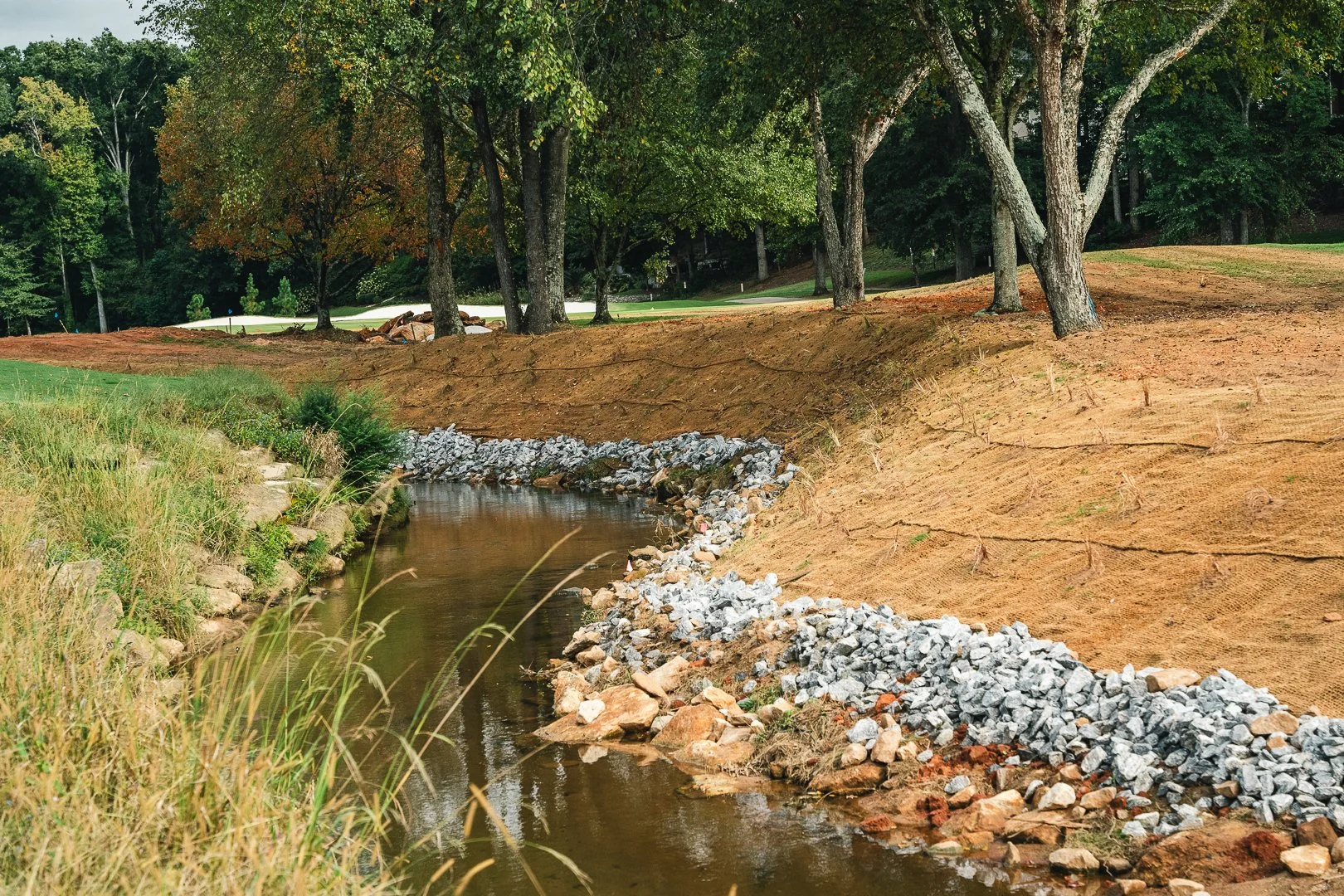
A system-based approach to stormwater compliance changes that dynamic. It aligns processes, reduces redundancy, and allows municipalities to meet regulatory expectations in a way that is both sustainable and defensible. This is where structured program development, paired with practical implementation, becomes critical.
Understanding Municipal Stormwater Compliance in South Carolina
Municipal stormwater compliance is primarily governed through MS4 permits under the National Pollutant Discharge Elimination System (NPDES). These permits establish a framework for how municipalities must manage stormwater runoff, reduce pollutant discharge, and protect receiving waters.
In South Carolina, compliance is not limited to having infrastructure in place. It requires municipalities to demonstrate that their stormwater programs are active, documented, and continuously improving. This includes maintaining records, performing inspections, implementing maintenance activities, and engaging the public in meaningful ways.
The structure of MS4 compliance is built around six minimum control measures. These measures are not standalone requirements. They are interconnected components of a broader program that must function as a cohesive system. Public education, illicit discharge detection, construction oversight, and post-construction management all rely on consistent processes and accurate documentation.
When municipalities treat these requirements as isolated tasks, compliance becomes difficult to sustain. Efforts become reactive, documentation gaps emerge, and staff are forced to manage competing priorities without a clear framework. Over time, this increases both risk and cost.
A structured approach reframes compliance as a managed system. It connects field activities with reporting, aligns responsibilities across departments, and ensures that each requirement is addressed in a consistent and repeatable way.
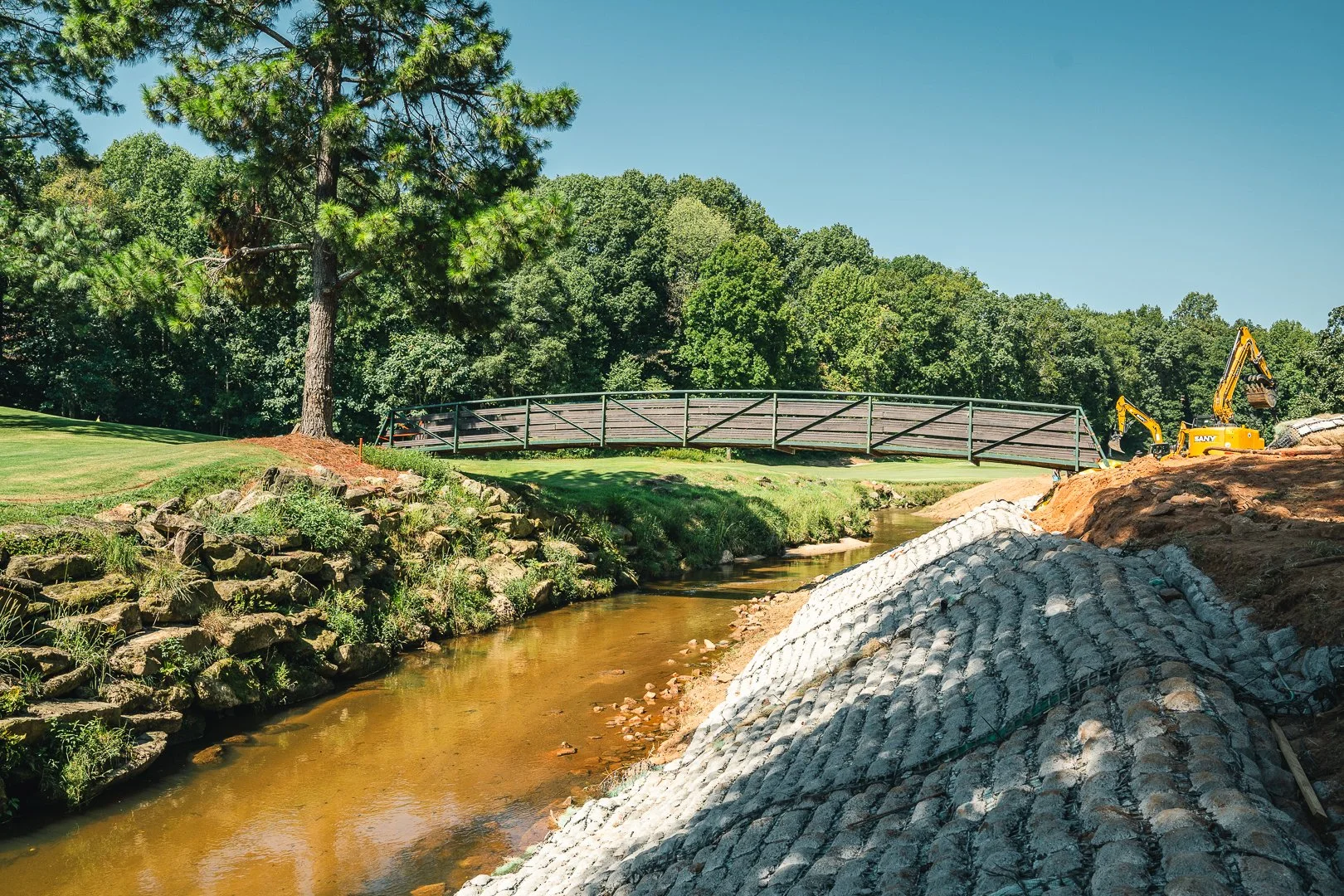
Why Municipalities Need a More Efficient Approach Now
Stormwater compliance requirements are evolving at the same time that municipalities are experiencing growth and operational pressure. This creates a gap between what is required and what can realistically be managed using traditional approaches.
Regulatory expectations are becoming more detailed. Municipalities are now required to provide clearer documentation, demonstrate measurable outcomes, and respond more quickly to issues. This shift places additional strain on internal teams, particularly when systems for tracking and reporting are not fully developed.
At the same time, many areas across South Carolina are seeing increased development. As impervious surfaces expand, runoff volumes increase, and existing stormwater systems are placed under greater stress. Infrastructure that was once adequate may no longer perform as intended, leading to flooding, erosion, and water quality concerns.
Public awareness is also changing. Residents are more engaged in issues related to drainage, flooding, and environmental impact. They expect municipalities to respond quickly and communicate clearly. This adds another layer of responsibility that must be managed alongside regulatory requirements.
Without a structured approach, these pressures compound. Staff spend more time responding to issues rather than preventing them. Maintenance becomes reactive. Costs increase as small problems develop into larger failures. A system-based strategy allows municipalities to move from reactive management to proactive control.
The Core Challenges Municipalities Face
Municipalities across South Carolina often face similar operational challenges when managing stormwater compliance programs. These challenges are not unique to any one jurisdiction. They are structural issues that arise when programs are not fully aligned.
One of the most common challenges is limited staffing. Stormwater responsibilities are frequently distributed across departments, with no single team dedicated to program oversight. This leads to inconsistencies in inspections, delays in maintenance, and gaps in documentation. Even well-intentioned teams struggle to maintain continuity when responsibilities are fragmented.
Another challenge is the performance of Best Management Practices. BMPs are central to stormwater compliance, but they are often misunderstood or improperly maintained. Systems that were designed to function under specific conditions can fail when those conditions are not met. Sediment accumulation, vegetation decline, and structural wear all reduce effectiveness over time. Without a clear maintenance plan, these issues are often addressed only after performance has declined.
Education and outreach requirements introduce additional complexity. Municipalities are required to engage the public and demonstrate that outreach efforts are effective. This requires more than occasional communication. It requires consistent messaging, targeted campaigns, and measurable outcomes. Without a structured strategy, outreach becomes difficult to track and justify.
Data management is another critical challenge. Compliance depends on accurate records, but many municipalities rely on manual processes or disconnected systems. This makes it difficult to track inspections, document maintenance activities, and compile reports. When data is not centralized, staff spend more time managing information than using it to improve program performance.
These challenges are interconnected. Staffing limitations affect maintenance. Maintenance gaps affect system performance. Performance issues increase regulatory risk. Addressing these challenges requires a coordinated approach rather than isolated solutions.
A Cost-Effective Framework for Municipal Stormwater Compliance
Improving stormwater compliance does not require a significant increase in spending. It requires a shift in how resources are used. A cost-effective framework focuses on consistency, prioritization, and long-term performance.
The first step is standardization. When inspection processes, maintenance procedures, and reporting methods are clearly defined, variability is reduced. Staff can follow established workflows, and results become more predictable. This reduces the time spent making decisions in the field and improves overall efficiency.
Prioritization is equally important. Not all areas of a municipality require the same level of attention. High-risk areas, such as frequently flooded zones or critical infrastructure locations, should receive focused resources. By concentrating efforts where they have the greatest impact, municipalities can improve outcomes without increasing costs.
Preventative maintenance plays a central role in cost control. Addressing small issues before they escalate reduces the need for large-scale repairs. Routine sediment removal, vegetation management, and structural inspections extend the life of stormwater systems and improve their performance. This approach shifts spending from reactive repairs to planned maintenance.
Scalability is another key factor. Municipalities do not need to build every component of their stormwater program internally. Strategic partnerships allow for flexible resource allocation. External support can be scaled based on need, providing access to specialized expertise without the cost of permanent staffing.
When these elements are combined, municipalities can build a compliance program that is both effective and financially sustainable.
How Ecological Improvements Supports Municipal Stormwater Programs
Ecological Improvements works with municipalities to develop and manage stormwater compliance programs as integrated systems. This approach ensures that each component of compliance supports the others, creating a cohesive and efficient program.
Program development begins with a clear understanding of current conditions. This includes evaluating existing infrastructure, identifying compliance gaps, and defining program objectives. From there, structured workflows are established to guide inspections, maintenance, and reporting.
Compliance assistance focuses on execution. This includes conducting inspections, evaluating BMP performance, and supporting maintenance activities. By aligning fieldwork with regulatory requirements, municipalities can ensure that their programs are both functional and defensible.
Public education and involvement are approached strategically. Outreach efforts are designed to meet regulatory requirements while also engaging the community in a meaningful way. This includes developing materials, planning campaigns, and tracking outcomes to demonstrate effectiveness.
Digital tools play a critical role in improving efficiency. By centralizing data, municipalities can track inspections, document maintenance, and generate reports more easily. This reduces administrative burden and improves accuracy, allowing staff to focus on program performance rather than data management.
This system-based approach allows municipalities to maintain compliance while improving operational efficiency and reducing long-term costs.
Why Municipalities Trust Ecological Improvements
Municipalities choose Ecological Improvements because the focus is not on isolated services. It is on building programs that function as complete systems. This perspective ensures that compliance is not only achieved but sustained.
Experience within South Carolina’s regulatory environment allows for practical, region-specific solutions. Understanding how requirements are applied locally ensures that programs are aligned with both state expectations and municipal realities.
Equally important is the balance between regulatory success and public trust. Stormwater compliance is not just about meeting permit requirements. It is about demonstrating responsible management of public resources. A structured program supports both objectives.
Scalability allows municipalities of different sizes to implement solutions that match their needs. Whether supporting a small town or a countywide program, services can be adjusted to provide the right level of support without unnecessary expense.
Strategies to Improve Compliance While Controlling Costs
Municipalities that successfully manage stormwater compliance without exceeding their budgets tend to focus on efficiency rather than expansion. They look for ways to improve how work is done rather than simply increasing resources.
One effective strategy is consolidating stormwater services. When inspections, maintenance, and reporting are coordinated through a unified system, duplication is reduced and communication improves. This leads to more consistent outcomes and lower overall costs.
Improving data visibility is another important step. When municipalities can see what is happening across their stormwater program in real time, they can identify issues earlier and allocate resources more effectively. This reduces the likelihood of unexpected problems and allows for better planning.
Long-term infrastructure planning also plays a critical role. By understanding how systems are performing and where vulnerabilities exist, municipalities can make informed decisions about maintenance and upgrades. This reduces the risk of emergency repairs and extends the lifespan of existing infrastructure.
These strategies do not require significant new investment. They require a shift toward structured, system-based management.
What’s Next for Municipal Stormwater Compliance
Stormwater compliance will continue to evolve as regulatory expectations and environmental conditions change. Municipalities that adopt structured, adaptable programs will be better positioned to respond without increasing costs.
Future requirements are likely to place greater emphasis on data-driven reporting and measurable outcomes. This will require municipalities to demonstrate not only that they are implementing programs, but that those programs are effective.
There will also be continued focus on water quality and community engagement. Municipalities will need to balance technical requirements with public communication, ensuring that residents understand and support stormwater initiatives.
Integrating green infrastructure and Low Impact Development practices will become more common as municipalities look for ways to manage runoff more effectively. These approaches, when implemented correctly, can reduce long-term costs while improving system performance.
Preparing for these changes requires a foundation that is both structured and flexible. Municipalities that invest in system-based programs today will be able to adapt more easily in the future.
Build a Stormwater Program That Works Within Your Budget
Stormwater compliance does not have to strain municipal budgets. With a structured approach, municipalities can meet regulatory requirements while improving efficiency and maintaining public trust.
The key is to move away from reactive management and toward a system that integrates design, implementation, maintenance, and reporting. This approach reduces risk, improves performance, and creates a clear path to compliance.
Ecological Improvements partners with municipalities across South Carolina to build stormwater programs that are compliant, scalable, and cost-effective.
Schedule a consultation to evaluate your current program and identify opportunities to improve compliance while maintaining control over your budget.