How Stormwater Ponds Impact Drinking Water Quality
Most people see a stormwater pond as a standalone feature. It collects runoff after a rainstorm, holds water temporarily, and helps prevent flooding on nearby properties. But what many people do not realize is that the water inside that pond is part of a much larger system that extends far beyond the property boundary.
The water entering a stormwater pond today may eventually flow into a nearby creek, travel through a watershed, enter a river system, recharge an aquifer, or contribute to a drinking water reservoir. In many cases, the same water that leaves a development, commercial property, golf course, or municipality today may become part of a community's drinking water supply tomorrow.

This continuous movement of water is known as the water cycle, and it connects every property, every stormwater system, and every community. It also serves as a reminder that stormwater management is about far more than drainage. The decisions made on individual sites have direct impacts on water quality throughout an entire watershed.
At Ecological Improvements (Ei), understanding this connection is central to everything we do. As stormwater specialists, we help property owners, municipalities, developers, HOAs, and commercial facilities manage runoff responsibly so that water leaving a site is as clean and stable as possible before continuing its journey downstream.
The Water Cycle Connects Every Property
Water is constantly moving through the environment. Rain falls onto rooftops, parking lots, roads, construction sites, lawns, forests, wetlands, and waterways. Some of that water infiltrates into the ground, replenishing underground aquifers. Some evaporates back into the atmosphere. The rest becomes runoff that flows through drainage systems, stormwater ponds, creeks, streams, rivers, and eventually larger water bodies.
Because every property exists within a larger watershed, no site functions independently. Water leaving one location ultimately becomes water entering another.
This is particularly important in South Carolina, where stormwater runoff frequently travels through interconnected networks of ponds, channels, wetlands, streams, and rivers before reaching larger watersheds such as the Ashley River, Cooper River, Broad River, Saluda River, Savannah River, and countless other waterways throughout the state.
Along the way, runoff interacts with everything it encounters.
If stormwater systems are functioning properly, much of the sediment and pollution can be captured, filtered, or treated before reaching downstream waters. If stormwater systems are neglected or improperly maintained, pollutants can travel throughout the watershed and affect water quality far beyond the original source.
The reality is that water does not recognize property lines. Every stormwater pond, drainage ditch, bioswale, and BMP plays a role in protecting the larger water cycle that communities depend on every day.
What Stormwater Runoff Picks Up Along the Way
As water moves across the landscape, it acts as a transport mechanism. Runoff carries whatever materials are present on the ground surface and delivers them into nearby drainage systems.
On construction sites, runoff may carry sediment from exposed soils. On commercial properties, it can pick up oil, grease, litter, and vehicle-related pollutants. In residential communities, excess fertilizers, pesticides, pet waste, and organic debris often become part of stormwater runoff during rainfall events.
While each individual source may seem small, the cumulative impact across an entire watershed can be significant.
Sediment is one of the most common pollutants found in stormwater runoff. When soil becomes detached and transported by water, it often settles within ponds, streams, wetlands, and rivers. Excess sediment can reduce water clarity, impair aquatic habitats, clog infrastructure, and increase maintenance costs for stormwater systems.
Nutrients such as nitrogen and phosphorus present another challenge. While these nutrients are beneficial for plant growth, excessive concentrations entering waterways can contribute to algal blooms, reduced oxygen levels, and declining water quality.
Other pollutants commonly found in runoff include:
Petroleum products
Heavy metals
Trash and debris
Organic waste
Bacteria
Pesticides and herbicides
Construction-related materials
Without effective stormwater management practices, these pollutants continue moving downstream through the watershed until they eventually reach larger receiving waters.
The farther contaminants travel, the more difficult and expensive they become to manage.
Stormwater Ponds Serve as the First Line of Defense
Stormwater ponds are often one of the most important water quality tools within a watershed. While many people view ponds primarily as flood-control features, they also provide critical water treatment functions.
As runoff enters a stormwater pond, water slows down significantly. This reduction in velocity allows sediment particles to settle out rather than continuing downstream. Pollutants attached to sediment often settle as well, reducing the overall pollutant load leaving the site.
Many ponds are also designed to support biological processes that improve water quality. Vegetation around pond edges can help absorb nutrients, stabilize shorelines, and provide additional filtration benefits. Extended detention times allow pollutants more opportunity to settle or break down naturally before water exits the system.
However, stormwater ponds only function effectively when they are properly maintained.
Over time, sediment accumulates within ponds and reduces their storage capacity. Outlet structures can become clogged. Shoreline erosion can introduce additional sediment into the system. Invasive vegetation can alter hydraulic performance. Without regular inspections and maintenance, ponds gradually lose their ability to protect downstream water quality.
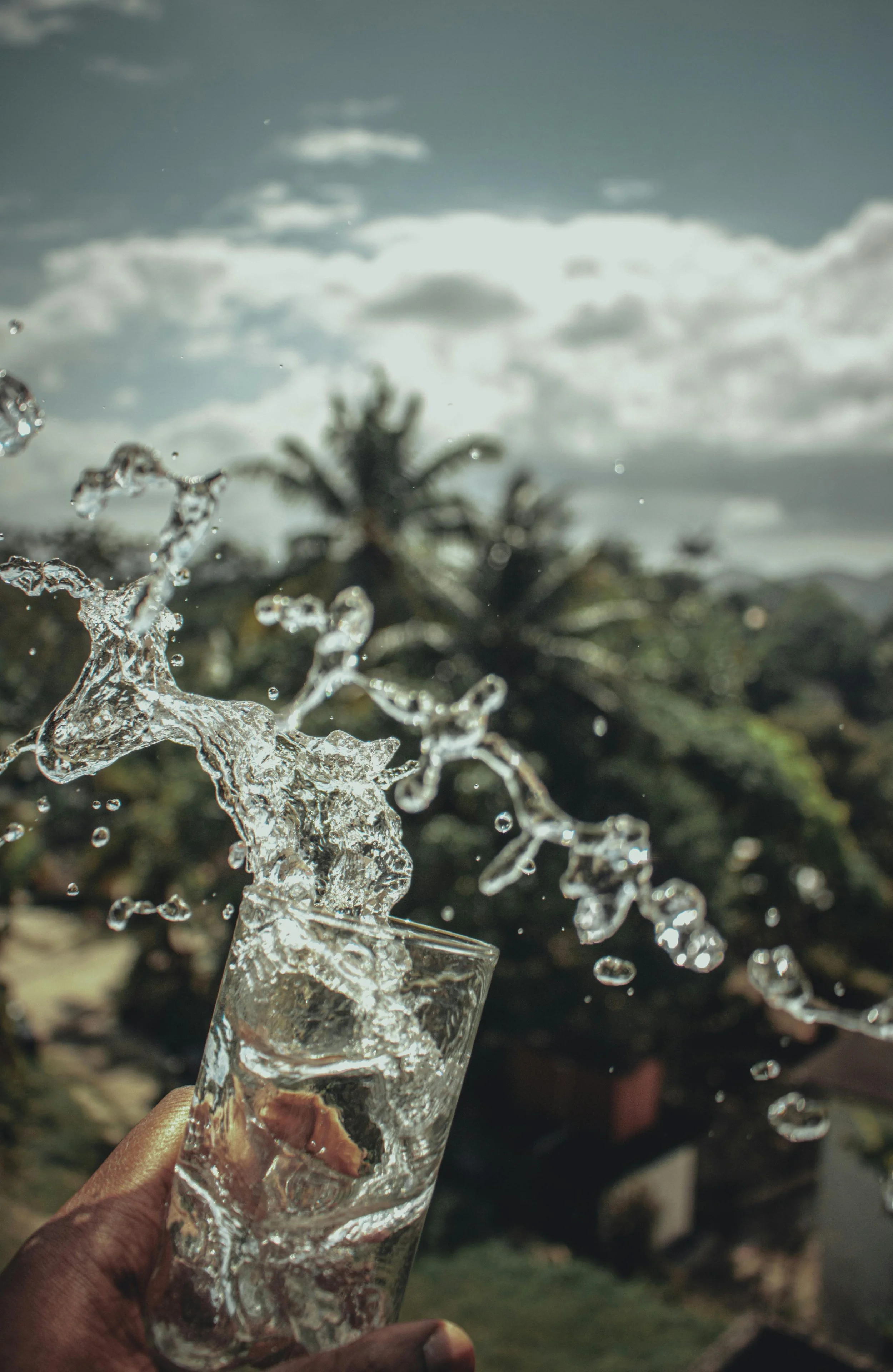
This is one reason why routine pond assessments are so important. Proper maintenance not only protects the individual property but also supports the health of the larger watershed connected to that system.
Every functioning stormwater pond contributes to cleaner downstream waterways.
Why Water Quality Matters Beyond Environmental Protection
When people think about water quality, they often focus on environmental benefits such as protecting fish, wildlife, wetlands, and rivers. While these outcomes are important, water quality also has direct economic and public health implications.
Every pollutant that enters a watershed must ultimately be managed somewhere within the system.
For communities that rely on surface water reservoirs for drinking water, treatment facilities must remove contaminants before water can safely enter homes and businesses. The more polluted incoming water becomes, the more resources are often required to treat it effectively.
Poor water quality can increase treatment costs, place additional demands on infrastructure, and reduce the overall efficiency of municipal water systems.
Water quality also affects recreation, tourism, agriculture, and property values. Rivers, lakes, and coastal waterways support fishing, boating, wildlife viewing, and outdoor activities that contribute significantly to South Carolina's economy.
When water quality declines, those impacts extend well beyond environmental concerns alone.
Protecting stormwater systems upstream helps reduce these pressures throughout the watershed while supporting cleaner, healthier water resources for future generations.
The Role of BMPs in Protecting Downstream Water Resources
Best Management Practices, commonly known as BMPs, are designed to reduce the amount of pollution entering stormwater systems before runoff leaves a property.
These systems work together to manage both water quantity and water quality throughout the watershed.
Examples include stormwater ponds, bioswales, infiltration systems, vegetative buffers, sediment basins, erosion control measures, and other stormwater treatment practices that help slow, filter, infiltrate, or capture runoff.
Each BMP serves a specific purpose, but collectively they form a network of protection throughout the watershed.
When properly designed, maintained, and inspected, BMPs help:
Reduce sediment transport
Improve water quality
Slow runoff velocities
Support groundwater recharge
Reduce flooding impacts
Protect aquatic habitats
Improve watershed health
What often gets overlooked is that BMP performance is not permanent. These systems require ongoing maintenance and evaluation to continue functioning as intended.
A clogged inlet, sediment-filled pond, eroded channel, or damaged outlet structure can reduce overall system effectiveness significantly. This is why regular inspections and maintenance are critical components of long-term stormwater management.
Protecting water quality is not achieved through a single structure or one-time installation. It requires ongoing stewardship of the systems that support the watershed.
How Ecological Improvements Helps Protect the Water Cycle
At Ecological Improvements, we recognize that every stormwater system is part of something larger. The work performed on one site ultimately affects water resources throughout the surrounding community and watershed.
This understanding drives our approach to stormwater management.
Under the leadership of Joseph Garavelli, Senior Environmental Consultant, Ei provides practical stormwater solutions focused on protecting water quality while supporting long-term infrastructure performance. Our team works with municipalities, developers, HOAs, commercial properties, golf courses, and landowners to help ensure stormwater systems continue functioning effectively throughout their lifecycle.
Our services include stormwater inspections, BMP assessments, maintenance planning, erosion control consulting, stabilization strategies, stormwater compliance support, and educational guidance designed to help clients better understand how their systems influence broader watershed health.
We believe effective stormwater management begins with understanding the connection between individual properties and the larger water cycle.
Every inspection, maintenance recommendation, stabilization project, and BMP evaluation contributes to protecting water quality not only on-site but throughout the downstream environment as well.
It All Comes Full Circle
The water sitting in a stormwater pond today may eventually become part of a creek, river, reservoir, wetland, aquifer, or municipal drinking water supply tomorrow.
Along its journey, that water will support ecosystems, sustain wildlife, recharge groundwater supplies, irrigate agricultural land, and provide drinking water for communities throughout the watershed.
This reality highlights why stormwater management matters.
Protecting water quality is not simply about regulatory compliance or infrastructure maintenance. It is about recognizing that every property contributes to a larger system that connects all of us.
When stormwater systems are maintained properly, erosion is minimized, pollutants are reduced, and cleaner water continues moving downstream. When systems are neglected, the impacts often extend far beyond the original source.
By prioritizing erosion control, proactive BMP maintenance, stormwater inspections, and responsible watershed management, property owners can play a meaningful role in protecting one of our most valuable resources.
At Ecological Improvements, we are committed to helping clients manage stormwater responsibly while supporting healthier watersheds, stronger communities, and a more sustainable future for South Carolina.
Because the journey of water never truly ends. It simply continues downstream, connecting every pond, every stream, every river, and every community along the way.