Why Sustainable Plantings Are the Future of Stormwater Compliance
Across the Southeast, stormwater rules are getting tighter, inspections are getting more detailed, and “good enough” erosion control is no longer good enough. The future of stormwater compliance is rooted quite literally in how we stabilize soil, manage runoff, and protect our waterways. At Ecological Improvements (EI), we believe sustainable plantings are not just a nice visual upgrade; they’re an essential piece of long-term compliance.
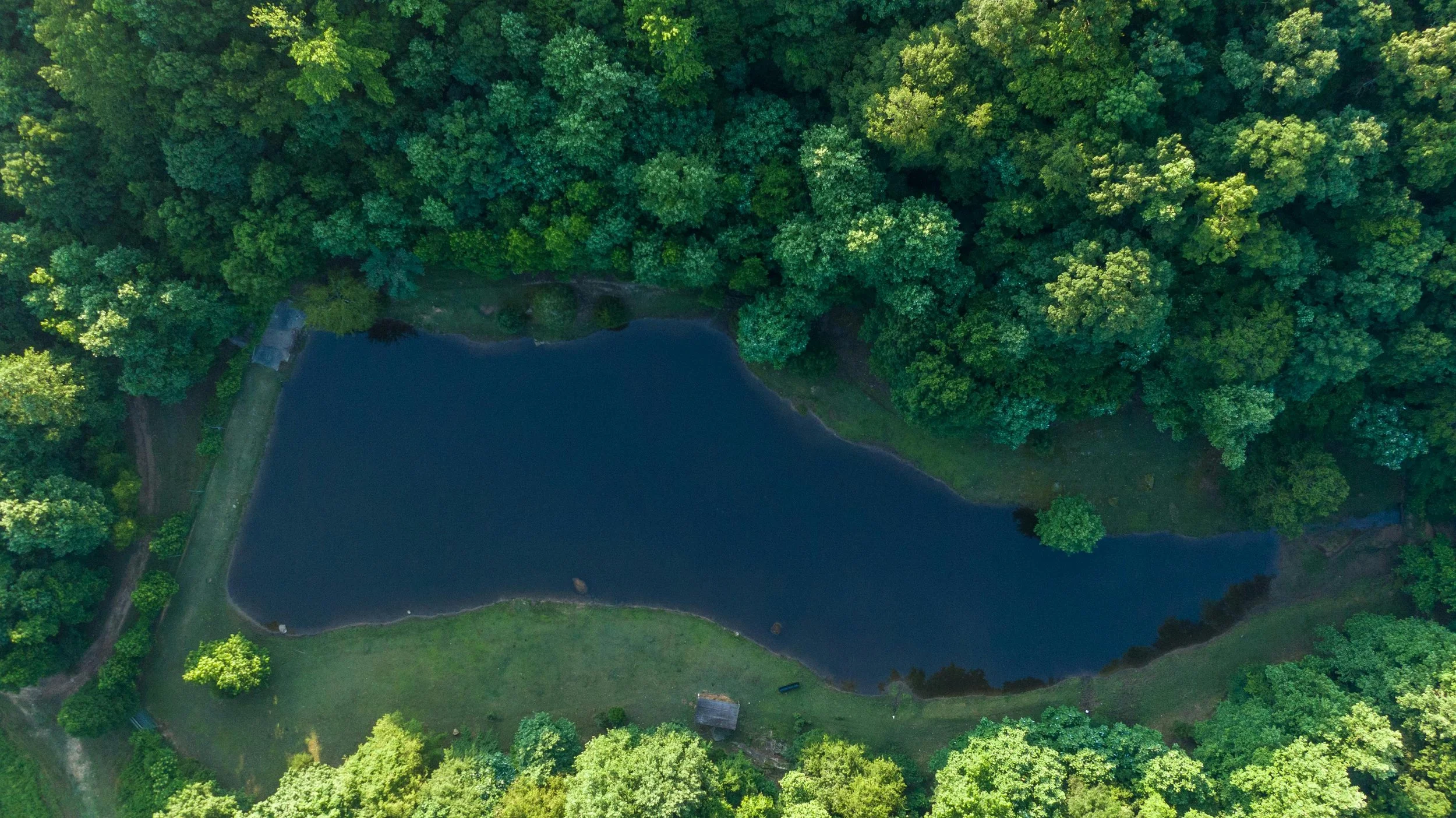
Traditional approaches often lean heavily on riprap, mowed turf, and temporary blankets. Those tools still have their place, but they can’t do what a well-designed native planting system does: slow water, filter pollutants, anchor soil, and build resilience year after year. Properly chosen native species build dense root systems that create living infrastructure, working 24/7 to hold banks in place and soak up storm energy before it ever becomes a problem.
Sustainable plantings support compliance in several ways. First, they reduce erosion at its source. Instead of chasing washouts and constantly rebuilding slopes, we focus on preventing them. Second, they improve water quality by uptaking nutrients and trapping sediment before it reaches downstream waters. That can make a real difference in how a site performs under NPDES permits, municipal codes, and HOA standards. Third, they help BMPs actually function as designed, whether we’re talking about ponds, swales, forebays, or level spreaders.
The Ecological Improvements Method
At EI, our planting designs are guided by Clemson Extension and SCDES recommendations, and we work with Charleston Aquatic Environment Nursery to supply Clemson-verified native stormwater species. That means the plants we install are locally appropriate, performance-driven, and selected with BMP longevity in mind, not just aesthetics.
Sustainable plantings are also a smart economic decision. When banks hold, forebays function, and slopes stay intact, you avoid the big-ticket items: emergency repairs, repeated regrading, and even dredging. Investing once in a thoughtful, sustainable planting plan often saves many times that amount in avoided failures.
Take the Next Step
Stormwater compliance isn’t just about passing the next inspection. It’s about building systems that can withstand heavy rain events, changing regulations, and the daily wear of time and use. Native, sustainable plantings give you a living ally on your side; one that grows stronger every season.
Contact us at (843) 259-2287 to schedule a free consultation or program review. We’re happy to help!