
WHAT IS A STORMWATER BMP? A COMPLETE GUIDE FOR PROPERTY OWNERS & MANAGERS
Understand Your Stormwater BMP — Before Problems Start
Stormwater Best Management Practices (BMPs) are engineered systems that protect your property, your community, and your local environment from flooding, erosion, and water-quality issues. This guide explains what they are, how they work, and why they must be maintained.
WHAT IS A STORMWATER BMP?
A Stormwater BMP (Best Management Practice) is an engineered system designed to manage, control, and filter stormwater runoff.
Its purpose is to:
Prevent flooding
Reduce erosion
Protect water quality
Capture or slow stormwater
Filter pollutants before they reach downstream systems
Prevent structural damage to surrounding land
BMPs are required under NPDES and MS4 stormwater regulations for properties across the United States.
Key Insight:
BMPs are not natural features. They are man-made systems that require ongoing inspections, cleaning, and maintenance to function properly.
WHY BMPs MATTER
Stormwater BMPs Are Critical Infrastructure — Just Like Roads, Pipes, and Utilities
When BMPs fail or clog, the entire property is impacted.
Consequences of neglected BMPs:
Flooding of yards, paths, greens, roads, and buildings
Erosion along slopes, embankments, and pond edges
Sediment buildup leading to pond shallowing
Poor water quality, algae blooms, and contamination
Sinkholes, washouts, and infrastructure undermining
Regulatory violations, fines, and NOVs
Higher long-term repair costs
A healthy BMP protects:
Property value
Aesthetics
Resident/member experience
Environmental health
Compliance status
Your bottom line
COMMON TYPES OF STORMWATER BMPs
1. Retention & Detention Ponds
Engineered basins designed to capture, store, and slowly release stormwater.
Common problems: erosion, sediment buildup, bank failure, clogged inlets/outlets.
2. Bioswales & Swales
Shallow, vegetated channels that move stormwater while filtering pollutants.
Common problems: improper grading, sedimentation, vegetation loss.
3. Permeable Pavement BMPs
Allows water to pass through instead of running off.
Common problems: clogging from sediment and organics.
4. Rain Gardens / Bioretention Areas
Capture and infiltrate runoff using soil, plants, and engineered media.
Common problems: ponding, plant death, clogging, soil compaction.
5. Drainage Systems & Catch Basins
Move water off surfaces and into controlled conveyance pathways.
Common problems: pipe collapse, clogging, root intrusion, basin overflow.
6. Outfalls & Energy Dissipation Systems
Where stormwater exits the system into a pond, creek, or channel.
Common problems: scour, blowouts, undermining, bank collapse.
7. Infiltration Trenches & Filters
Allow runoff to soak into the ground.
Common problems: clogging, failure to infiltrate, sediment migration.
WHY BMP MAINTENANCE IS REQUIRED
Stormwater BMPs must be inspected and maintained — it’s the law.
Under MS4 and NPDES regulations, properties are responsible for keeping their BMPs functioning.
Failure to maintain them leads to:
NOVs (Notices of Violation)
Fines
Required emergency repairs
Increased liability
Environmental penalties
Common required maintenance activities:
Sediment and debris removal
Clearing inlets/outlets
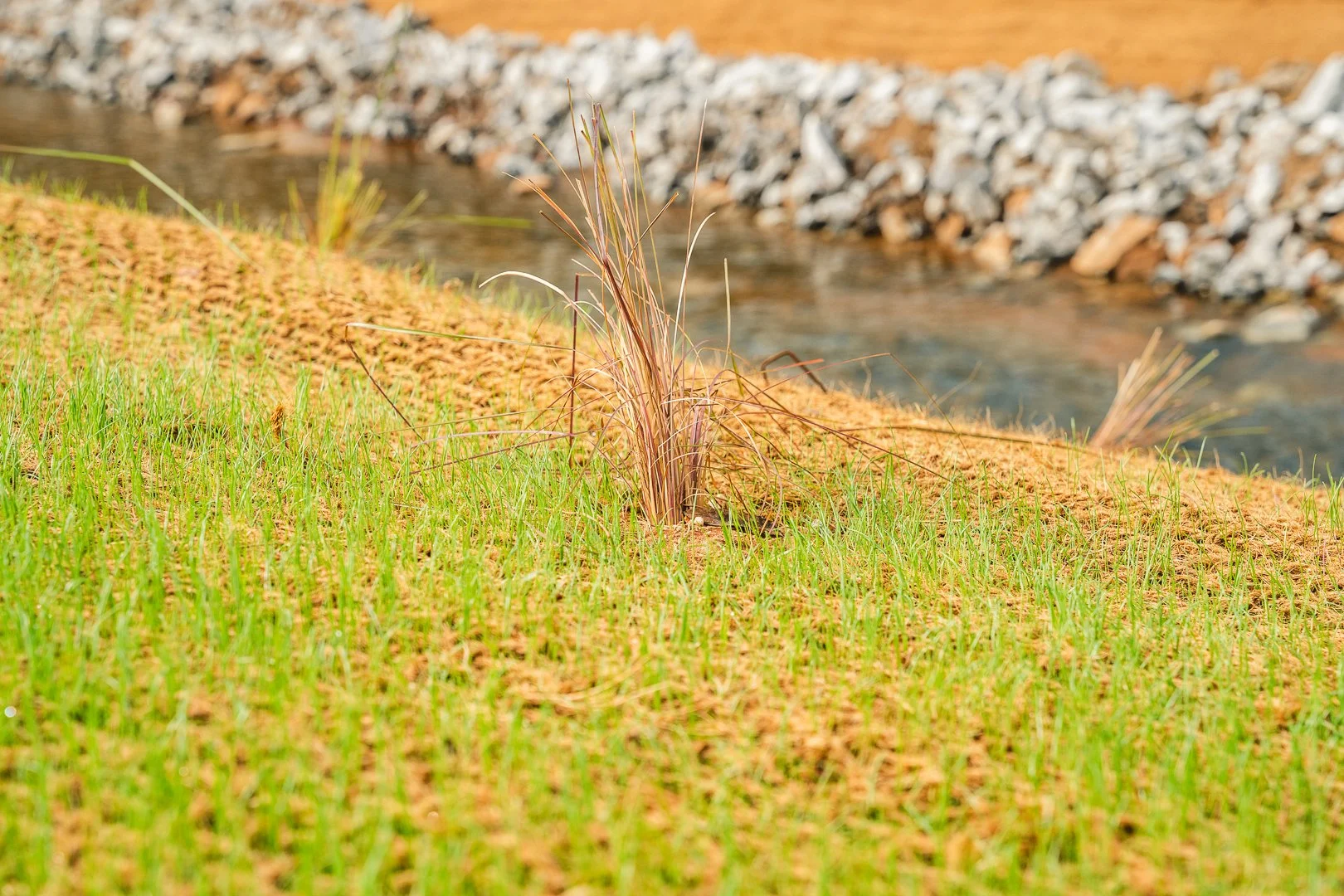
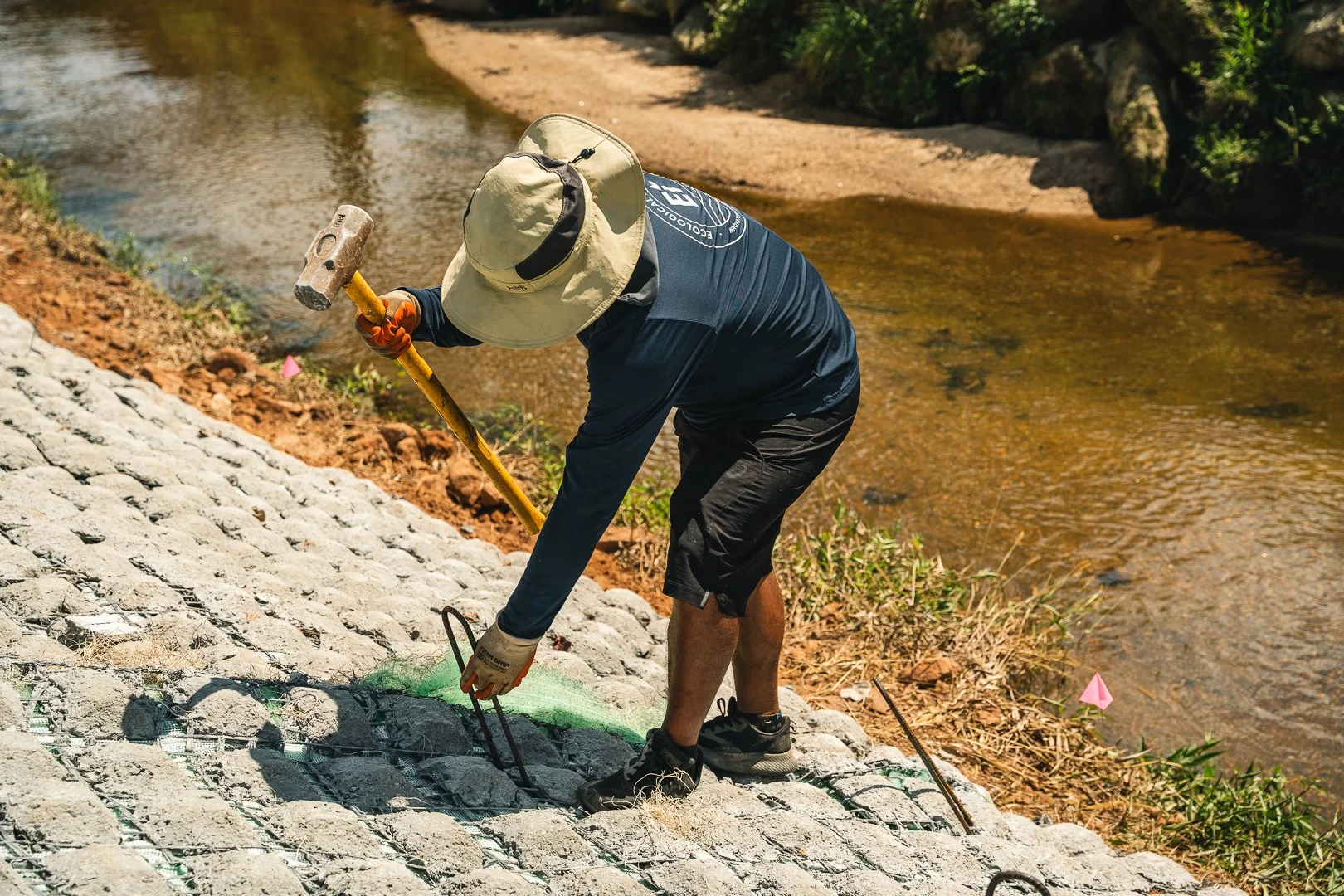
Shoreline stabilization and erosion control
Drainage pipe cleaning
Vegetation restoration
Outfall and structure cleaning
Grading correction
Bank and slope repair
Important:
Most BMP failures happen because nobody is performing routine maintenance.
SIGNS YOUR BMP IS FAILING
Use this as a diagnostic checklist:
Standing water where it shouldn’t be
Erosion, washouts, or slumping banks
Sediment buildup, murky water, or browning pond edges
Iron staining or algae blooms
Clogged drainage structures
Water flowing around, not through, the system
Overflowing catch basins or inlets
Outfalls washing out or scouring holes
Sinkholes or depressions near stormwater features
If any of these are happening, the BMP is underperforming or failing.
OUR BMP SUPPORT SERVICES
We offer full-service support for stormwater BMPs, including:
Stormwater BMP inspections (CEPSCI standards)
Annual and quarterly maintenance plans
Sediment removal and erosion repair
Drainage system cleaning and restoration
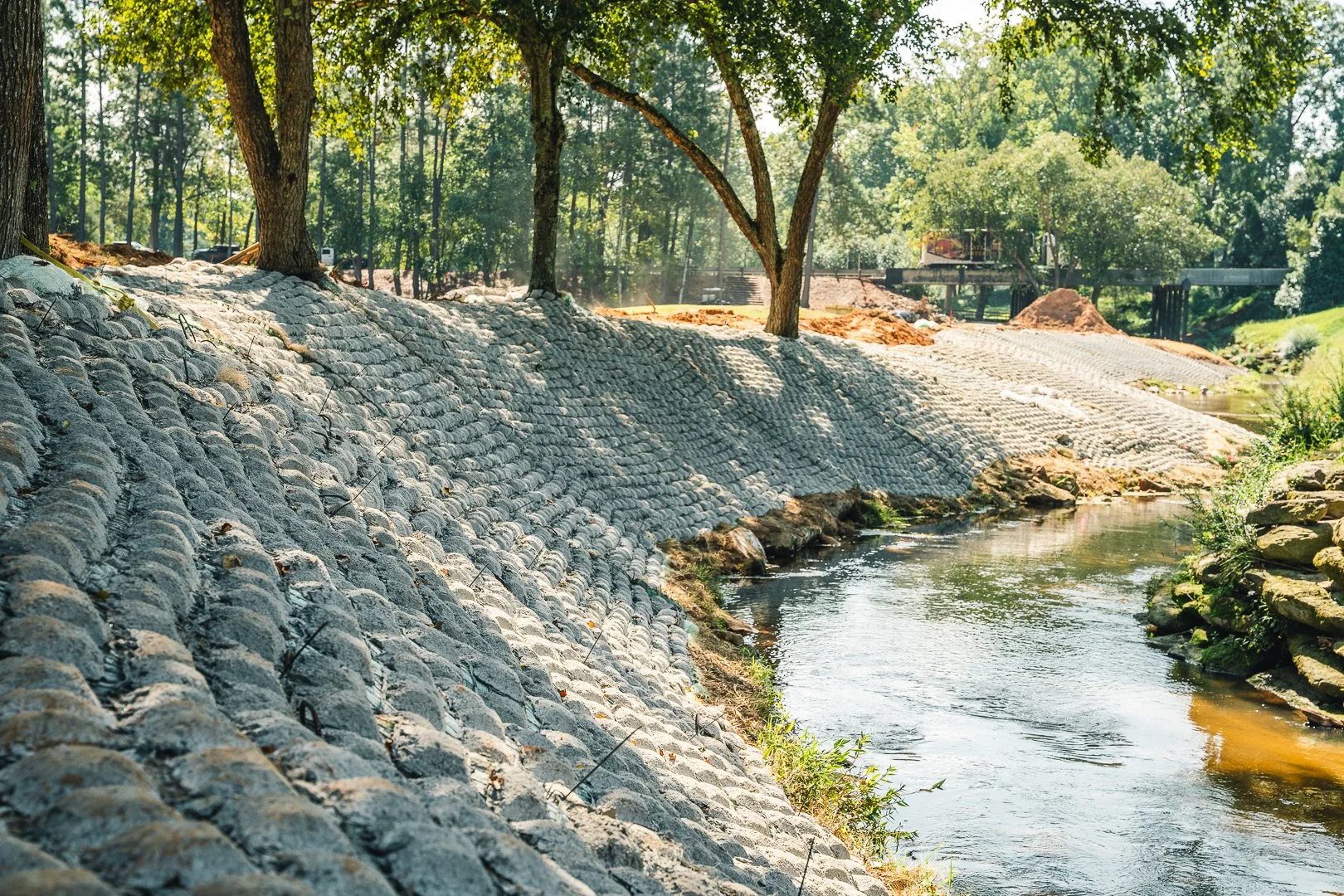
Outfall stabilization
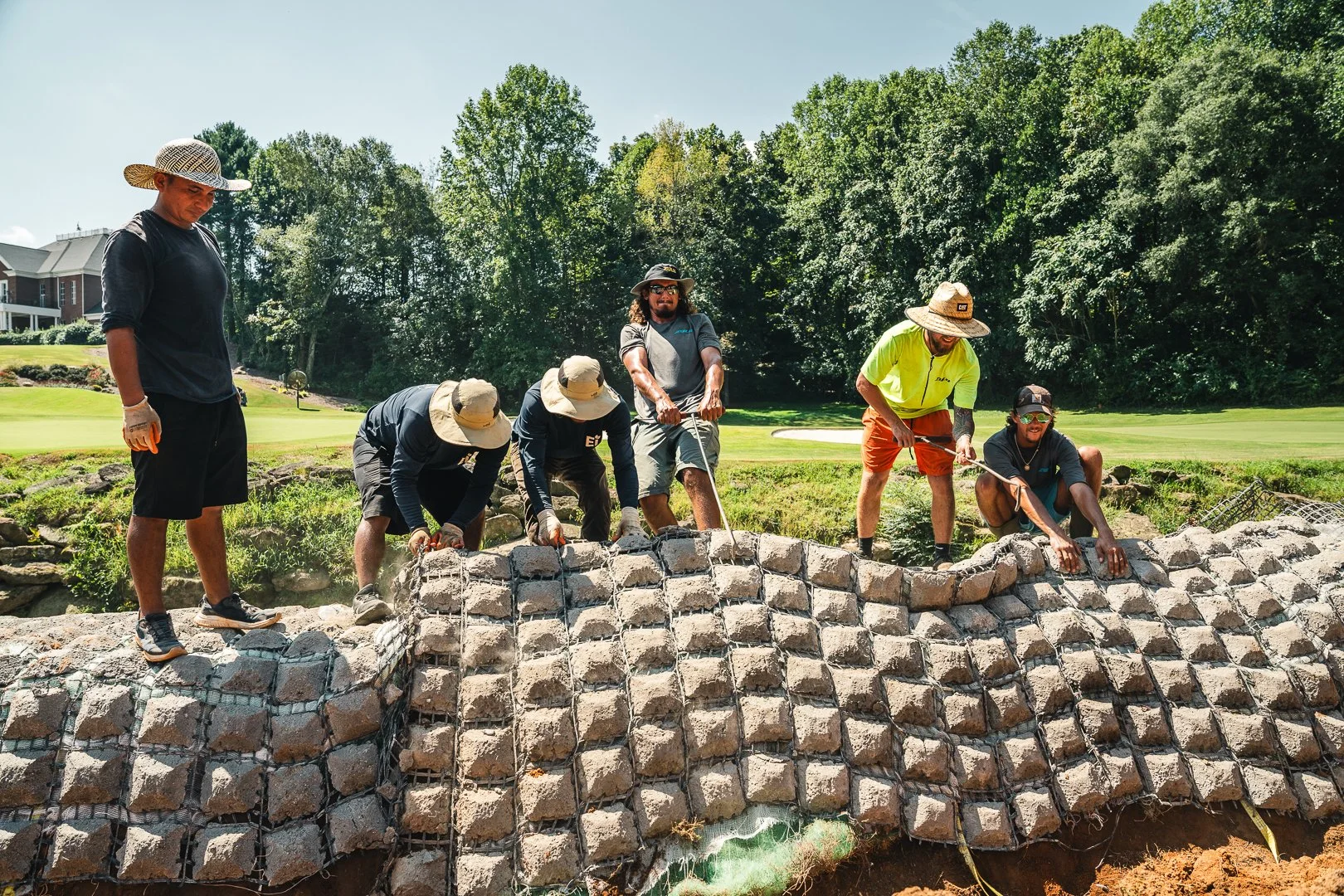
Bank and slope reinforcement
Vegetation and ecosystem rebuilding
Reporting and compliance documentation
We evaluate your BMP like a regulator—but help you fix issues before fines or failures.
WHO THIS PAGE IS FOR
This BMP guide is designed for:
HOA property managers
Golf course superintendents
Municipal stormwater staff
Commercial facilities
Developers and EPC firms
Lakefront, pond, and riverfront property owners
Understanding your BMP is the first step to protecting your property.
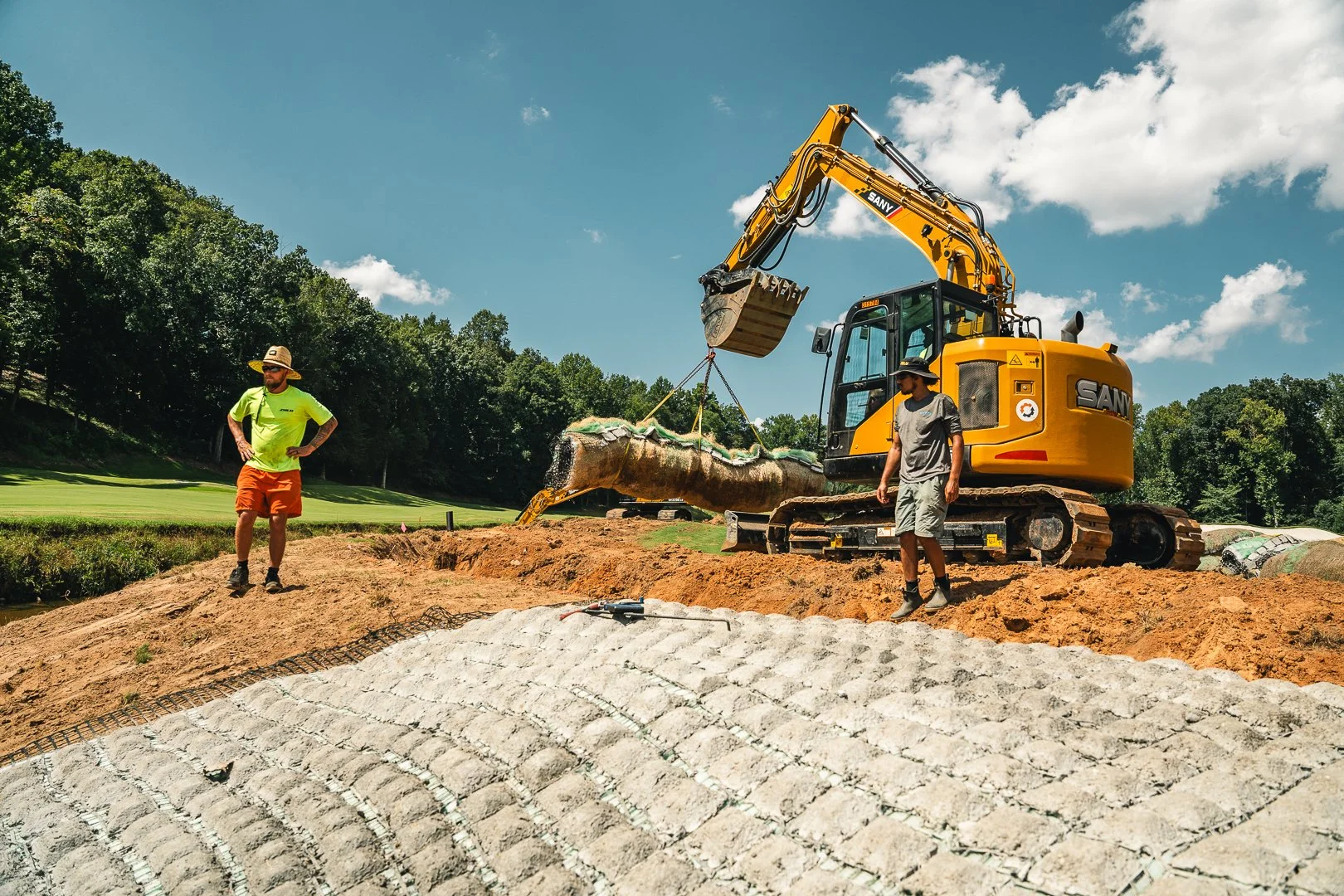
Know the Condition of Your Stormwater BMP Before the Next Storm
A stormwater BMP isn’t a pond, ditch, or pretty landscape feature —
it’s an engineered system that protects your property from disaster.