How to Keep Your Stormwater Pond Functioning as Designed
Stormwater ponds are critical infrastructure for managing runoff, reducing flood risk, and protecting downstream water quality. When functioning as designed, they regulate flow, capture sediment, and support regulatory compliance without drawing attention. When performance declines, however, the impacts extend beyond the pond itself, affecting drainage systems, adjacent properties, and overall site stability.
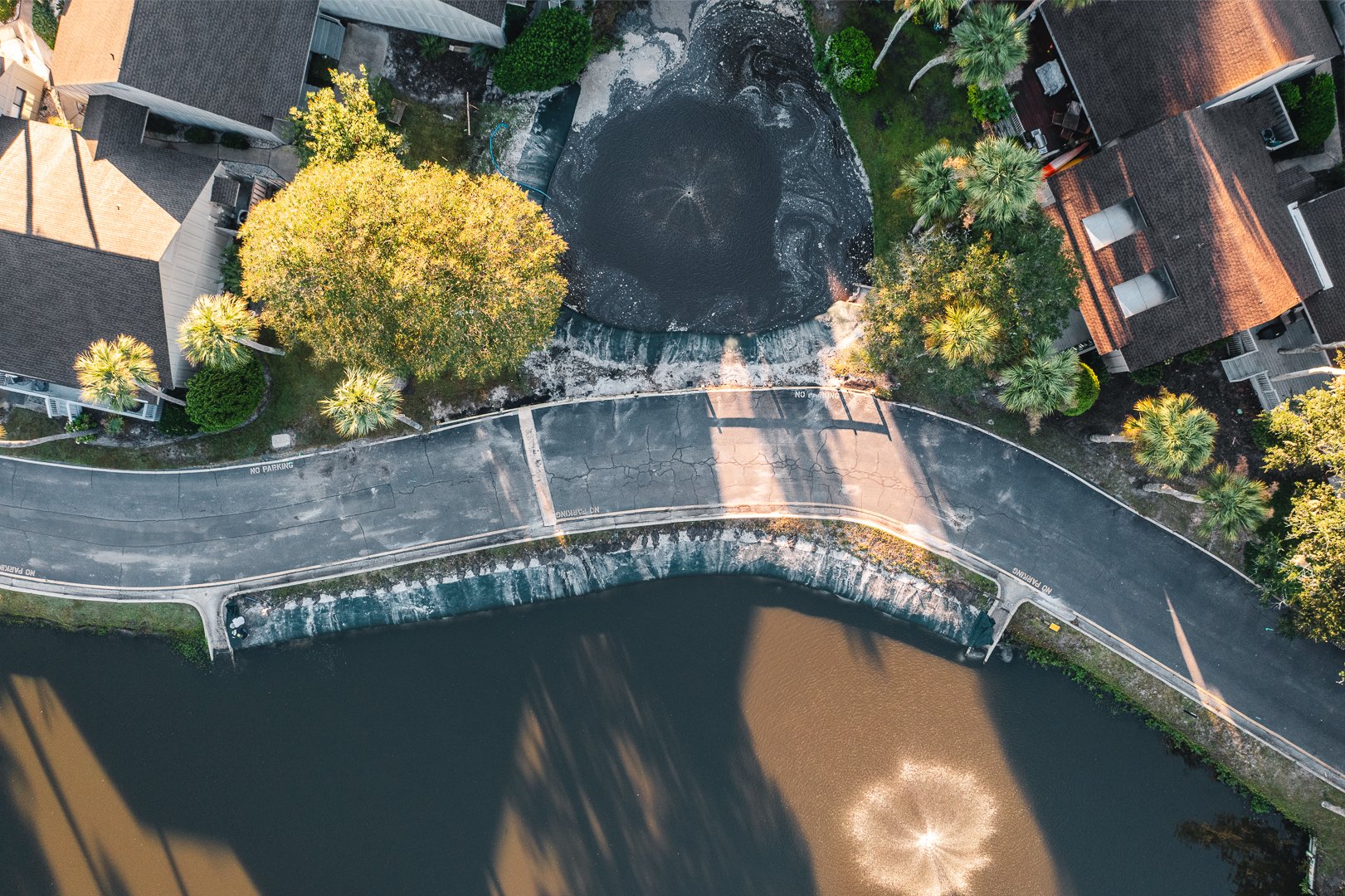
Ensuring that stormwater ponds continue to function properly requires more than occasional visual checks. These systems evolve over time as sediment accumulates, vegetation changes, and hydraulic conditions shift. Without structured oversight, small inefficiencies develop into larger operational and structural issues.
At Ecological Improvements, stormwater pond performance is evaluated through a system-based framework. Rather than treating ponds as isolated features, we assess how inlets, forebays, basins, embankments, vegetation, and outlet structures interact. This page provides a comprehensive guide to maintaining stormwater pond functionality, identifying early warning signs, and implementing proactive management strategies that protect long-term performance and property value.
What “Properly Functioning” Means for a Stormwater Pond
A stormwater pond is considered to be functioning properly when it consistently meets its intended hydraulic and water quality objectives. This includes managing runoff volume, reducing peak discharge rates, and capturing sediment and pollutants before water leaves the site.
Hydraulic performance is a primary indicator. Water should enter the pond through defined inlets, slow within designated treatment zones, and exit through control structures at regulated rates. Flow should not bypass treatment areas or concentrate in ways that create erosion or instability.
Structural integrity is equally important. Embankments must remain stable, pipes must convey flow without leakage or separation, and outlet structures must operate as designed. Minor structural deficiencies can alter system behavior and increase risk over time.
Water quality provides another measure of performance. Clear water, controlled algae levels, and balanced vegetation indicate that sediment and nutrient processes are functioning effectively. Persistent turbidity or algae blooms often signal underlying issues.
Finally, vegetation should support rather than hinder system performance. Plant communities should stabilize soils, filter runoff, and allow access for inspection and maintenance.
A properly functioning pond is not static. It requires ongoing evaluation and adjustment to maintain these conditions.
The Role of Routine Inspections in Maintaining Performance
Routine inspections are the foundation of effective stormwater pond management. They provide the information needed to identify issues early and prioritize corrective actions before performance declines.
Inspections should evaluate all major components of the system:
Inlets and forebays for sediment buildup and debris accumulation
Banks and embankments for erosion, slumping, or vegetation concerns
Main basin conditions including sediment levels and water clarity
Outlet structures for functionality and structural integrity
Vegetation health and invasive species presence
Each of these elements influences overall system behavior. For example, sediment accumulation in a forebay may appear localized but often indicates increased loading that will affect the entire pond if not addressed.
Inspection frequency depends on site conditions, regulatory requirements, and maintenance history. At a minimum, ponds should be evaluated periodically and after significant storm events.
Documentation is an essential part of the inspection process. Photographs, measurements, and condition notes provide a record of system performance over time and support compliance efforts.
Common Issues That Affect Stormwater Pond Function
Stormwater ponds rarely fail due to a single issue. Performance declines as multiple factors interact.
Sediment accumulation is one of the most common challenges. As sediment fills forebays and basins, storage capacity decreases and water becomes shallower. This increases temperature, promotes algae growth, and reduces treatment efficiency.
Erosion along banks and inflow points introduces additional sediment and compromises structural stability. Bare soil and exposed roots indicate that vegetation is no longer providing adequate reinforcement.
Vegetation overgrowth can also affect performance. Dense or unmanaged plant growth may obstruct flow paths, limit access to structures, and create conditions for invasive species dominance.
Structural issues such as pipe misalignment, joint separation, or outlet obstruction alter hydraulic behavior. These issues often develop gradually but can lead to significant failures if not addressed.
Understanding these common issues helps guide inspection focus and maintenance priorities.
Sediment Management and Forebay Performance
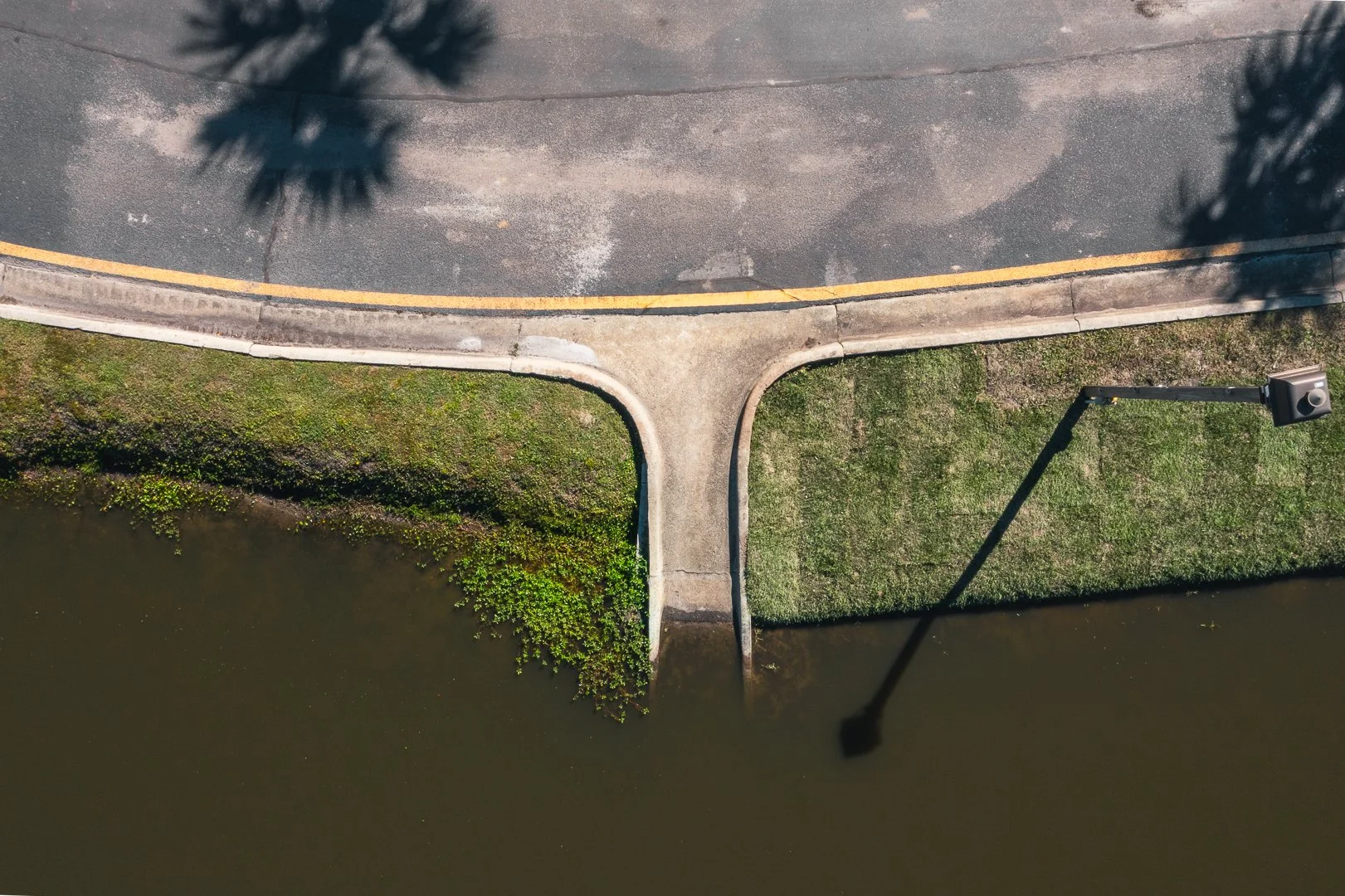
Forebays are designed to capture sediment before it reaches the main pond. Maintaining their capacity is one of the most effective ways to preserve overall system performance.
As sediment accumulates, the forebay loses its ability to slow incoming flow. Once capacity is exceeded, sediment bypasses the forebay and deposits in the main basin.
Routine sediment monitoring allows for targeted removal before this occurs. By maintaining forebay function, the need for large-scale dredging in the main pond can often be delayed or avoided.
Sediment management should also consider upstream sources. Excessive sediment loading may indicate erosion issues elsewhere on the site that need to be addressed.
Vegetation Management as a Functional Requirement
Vegetation plays a structural and ecological role in stormwater ponds. Properly managed plant communities stabilize soils, filter runoff, and support water quality.
However, unmanaged vegetation can create problems. Woody growth on embankments may weaken structural integrity. Invasive species can outcompete native plants and reduce stabilization effectiveness.
Vegetation management should focus on:
Maintaining appropriate species for each hydrologic zone
Removing hazardous or invasive plants
Preserving access to inspection and maintenance areas
Supporting long-term soil stability
A balanced vegetation strategy enhances performance while reducing maintenance challenges.
Structural Integrity and Hydraulic Control
Structural components such as pipes, risers, and outlet structures regulate how water moves through the pond. Their condition directly affects performance.
Inspections should verify that structures are free of debris, properly aligned, and functioning as designed. Signs of leakage, settlement, or erosion around structures require prompt attention.
Hydraulic control is essential for maintaining detention time and preventing downstream impacts. Alterations in flow behavior often indicate underlying structural issues.
Addressing structural concerns early reduces the risk of emergency repairs and system failure.
Compliance and Regulatory Considerations
Stormwater ponds are often subject to regulatory oversight. Maintaining performance is not only a functional requirement but also a compliance obligation.
Inspections, maintenance records, and corrective actions demonstrate due diligence. Failure to maintain BMPs can result in notices of violation, fines, or mandated repairs.
A proactive approach to compliance integrates inspection and maintenance into routine operations rather than treating them as reactive requirements.
Building a Long-Term Maintenance Strategy
Ensuring stormwater ponds function properly requires a structured maintenance plan. This includes:
Scheduled inspections based on site conditions
Defined sediment removal thresholds
Vegetation management protocols
Targeted repairs for erosion and structural issues
Documentation to support compliance
Maintenance plans should be tailored to the specific characteristics of each pond and the priorities of the property owner or manager.
A well-designed plan replaces uncertainty with predictability and reduces long-term costs.
How Ecological Improvements Assists with Stormwater Pond Performance
Ecological Improvements provides system-based solutions for maintaining and restoring stormwater pond performance. Our approach integrates technical expertise with practical field experience.
Comprehensive Inspections
We conduct detailed evaluations of stormwater ponds, including forebays, banks, basins, and outlet structures. Our inspections identify both visible issues and underlying causes of performance decline.
Expert Consultation
Based on inspection findings, we develop actionable plans that address sediment management, vegetation control, and structural repairs. Recommendations are prioritized by risk and aligned with client goals.
Project Coordination
We coordinate and manage implementation of maintenance and restoration projects. This includes working with contractors, scheduling work, and ensuring compliance with regulatory requirements.
Our goal is to provide clarity and direction, allowing clients to move from reactive management to proactive stewardship.
Moving from Reactive Repairs to Predictable Performance
Stormwater pond management often begins reactively, addressing issues as they arise. Over time, this approach leads to inconsistent results and higher costs.
By implementing structured inspections and maintenance plans, property owners can transition to predictable performance. Issues are identified early, prioritized effectively, and addressed before they escalate.
This approach reduces disruption, improves outcomes, and supports long-term system reliability.
Contact Us!
If you are unsure whether your stormwater ponds are functioning as intended, a structured evaluation can provide clarity. Ecological Improvements offers comprehensive inspections, expert consultation, and coordinated maintenance solutions tailored to your site. Contact our team to schedule a free assessment and develop a plan that keeps your stormwater systems operating effectively.