A Sustainable Alternative to Bulkheads & Riprap
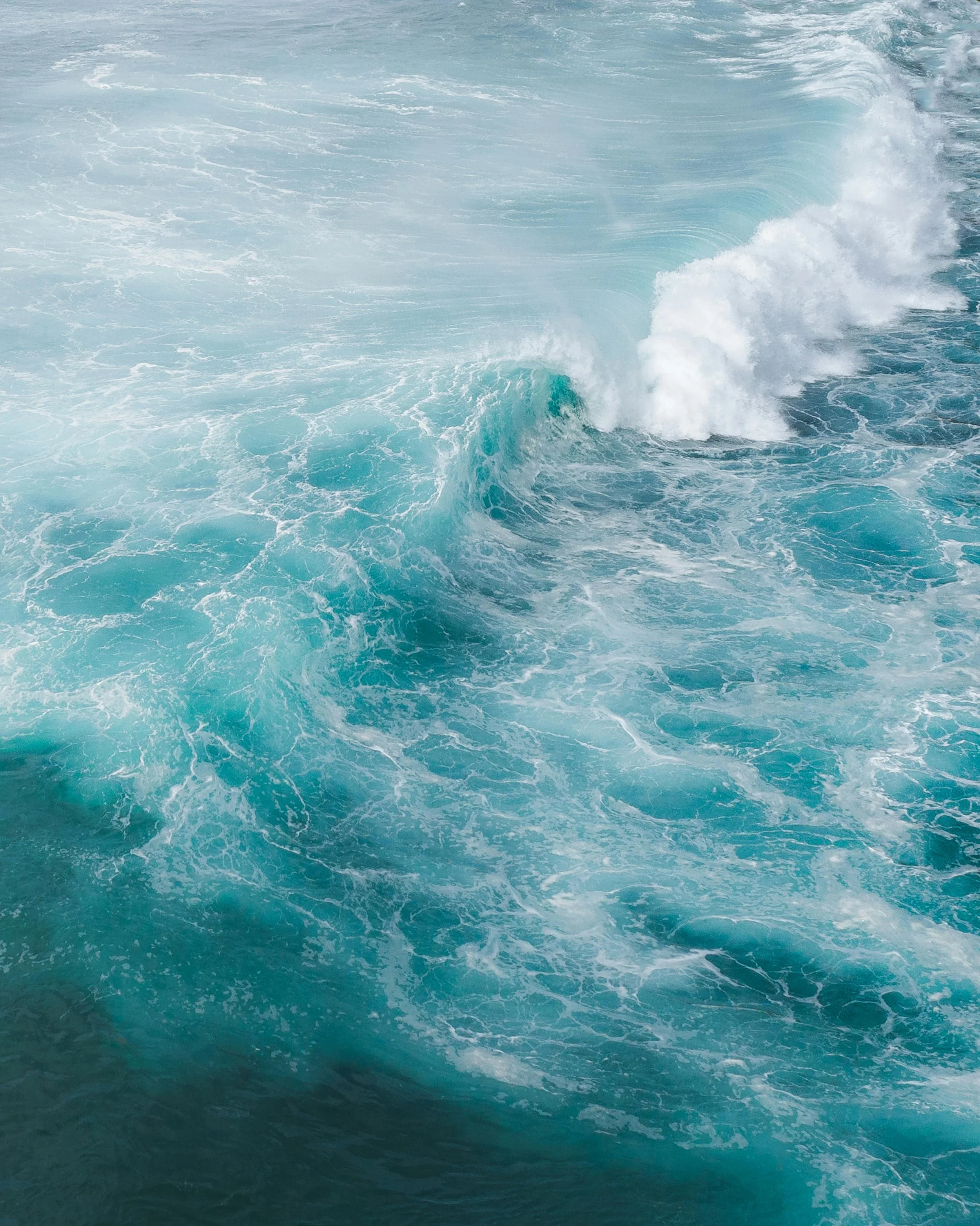
Coastal and tidal communities face increasing pressure from wave action, vessel wakes, storm surge, and gradual sea-level rise. Shorelines that once remained stable under natural conditions are now subject to accelerated erosion and structural stress. The traditional response has been to armor these edges with bulkheads, seawalls, or riprap revetments. While hard armoring methods remain appropriate in certain contexts, they are not universally optimal solutions.
Living shorelines offer a different approach. Instead of resisting natural processes with rigid barriers, living shorelines work with hydrology, sediment transport, and vegetation to stabilize coastlines over time. They combine native marsh plantings, biodegradable stabilization materials, and in some cases limited structural reinforcement to reduce erosion while preserving ecological function.
At Ecological Improvements, living shoreline design is treated as infrastructure planning. These systems are engineered ecological solutions, not decorative plantings. They require site-specific analysis, careful species selection, and phased implementation aligned with tidal and seasonal conditions. When properly designed, living shorelines increase resilience, improve water quality, and create long-term shoreline stability.
This page serves as a comprehensive resource on living shorelines. It explains how they function, where they are appropriate, how they compare to traditional hard armoring, and what considerations are essential for successful implementation.
Why Traditional Shoreline Armoring Is Not Always the Optimal Solution
Bulkheads and seawalls create an immediate sense of structural protection. They provide a defined vertical edge and resist landward retreat. However, rigid armoring fundamentally alters shoreline dynamics.
When waves strike a vertical wall, energy is reflected rather than absorbed. This reflection can increase scour at the base of the structure and along adjacent, unarmored shorelines. Over time, nearshore depths increase as sediments are displaced, reducing natural attenuation and exacerbating erosion elsewhere.
Riprap revetments perform better than vertical bulkheads in dissipating energy, but they still interrupt natural sediment exchange and reduce intertidal habitat. In areas with limited fetch and moderate wave climate, these hard solutions may be more intensive than necessary.
Hard armoring can also complicate regulatory approvals and environmental permitting. Coastal management frameworks increasingly encourage nature-based solutions that maintain ecological function.
Living shorelines provide an alternative where conditions allow. They reduce wave energy gradually, encourage sediment deposition, and maintain intertidal habitat connectivity.
How Living Shorelines Function as Dynamic Systems
A living shoreline is not a single component. It is a system composed of vegetation, sediment, and sometimes structural elements working together to reduce erosion and stabilize banks.
At the water’s edge, native marsh vegetation forms the primary stabilization layer. Species adapted to tidal inundation anchor sediment with extensive root systems. These roots increase soil shear strength and reduce erosion caused by wave action.
Above-ground biomass plays an equally important role. Stems and leaves create friction that slows wave velocity. Rather than reflecting energy, vegetation absorbs and dissipates it over a broad area.
Biodegradable stabilization materials such as coir logs may be installed during initial establishment. These provide temporary support while vegetation roots develop. In some cases, limited rock sills or toe protection elements are incorporated to reduce high-energy stress without creating rigid barriers.
Over time, sediment is trapped within vegetation zones. This promotes vertical accretion, allowing the shoreline to adjust gradually to rising water levels. Unlike static armoring, living shorelines can evolve with changing conditions.
Key Components of a Living Shoreline Design
Native Marsh Vegetation
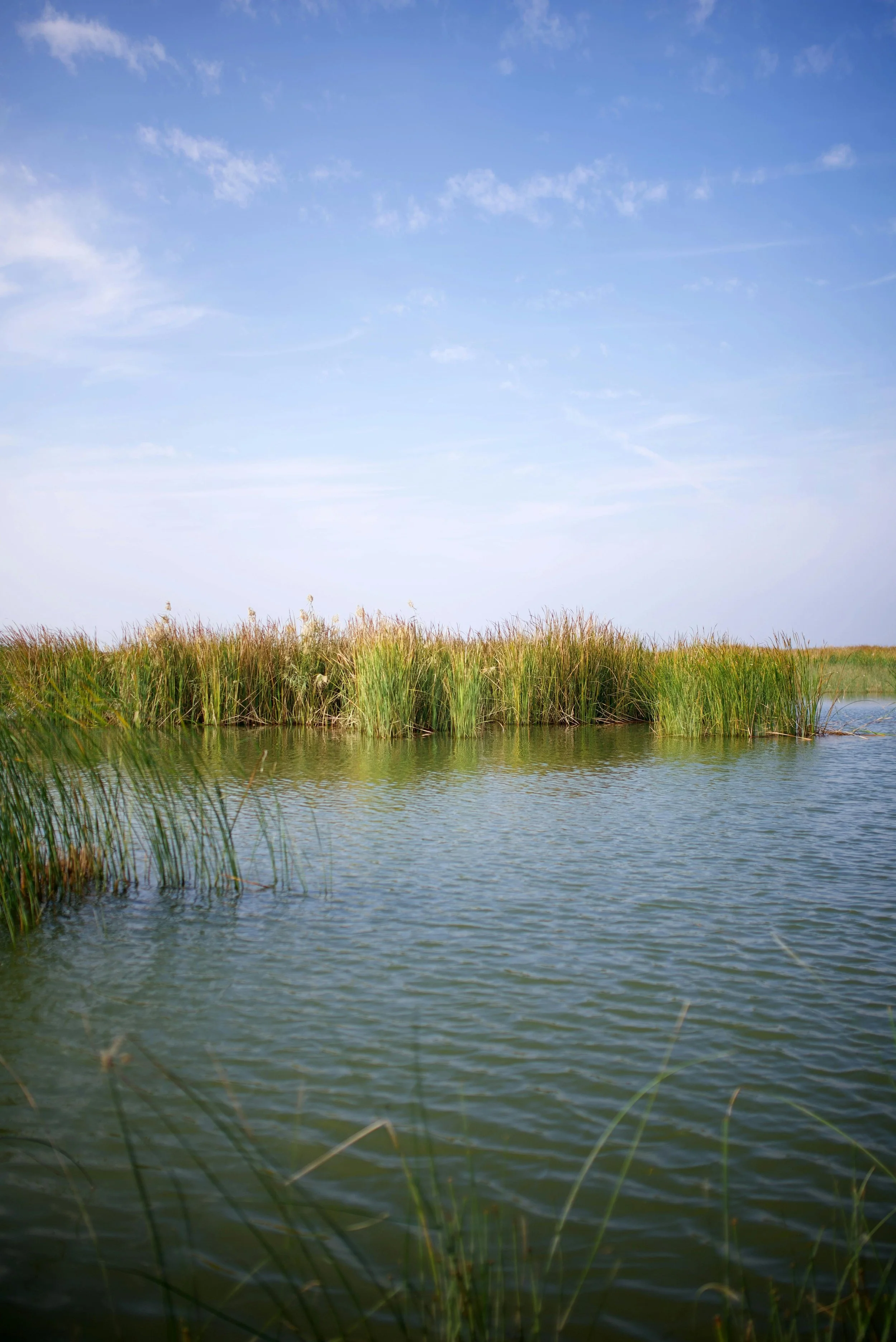
Plant selection is central to performance. Species must tolerate site-specific salinity levels, tidal ranges, and exposure. In brackish or saltwater systems, marsh grasses such as smooth cordgrass provide robust root reinforcement and wave attenuation.
In areas with lower salinity, additional plant diversity may be incorporated to increase ecological function and resilience.
Biodegradable Stabilization Materials
Coir logs and other natural fiber products provide interim structural support. They reduce immediate erosion while plants establish. These materials gradually decompose as vegetation assumes primary stabilization responsibility.
Proper installation and anchoring are critical to prevent displacement during early storm events.
Limited Structural Reinforcement
In moderate-energy environments, rock sills or toe protection may be integrated. These elements reduce incoming wave height while preserving tidal exchange. They are not intended to function as full revetments but as supplemental stabilization in targeted areas.
The integration of these components must be tailored to site conditions rather than applied uniformly.
Wave Climate, Fetch, and Site Suitability
Not every shoreline is a candidate for a living shoreline approach. Site evaluation is essential to determine feasibility.
Wave climate is a primary factor. Shorelines exposed to high-energy open water conditions may require substantial structural reinforcement beyond what a vegetative system can provide alone.
Fetch, or the distance over which wind can generate waves, influences energy levels. Short-fetch creeks and protected estuaries are often well suited for living shoreline installations.
Soil type, slope geometry, tidal amplitude, and adjacent land use also influence design decisions. Successful projects begin with detailed site assessment rather than a standardized template.
At Ecological Improvements, living shoreline feasibility is evaluated through field analysis and performance modeling, ensuring solutions are aligned with actual site dynamics.
Water Quality Benefits of Living Shorelines
Living shorelines provide measurable water quality benefits beyond erosion control.
Vegetation filters runoff entering tidal creeks and estuaries. Nutrients and fine sediments are intercepted before reaching open water. Root systems support microbial processes that transform and immobilize pollutants.
By promoting sediment accretion, living shorelines reduce turbidity in adjacent waters. Improved clarity supports aquatic vegetation and enhances overall ecosystem health.
These benefits align with regulatory objectives focused on watershed health and nutrient reduction.
Habitat Creation and Ecological Value
Hard armoring replaces natural intertidal habitat with rigid structures. Living shorelines preserve and expand habitat zones.
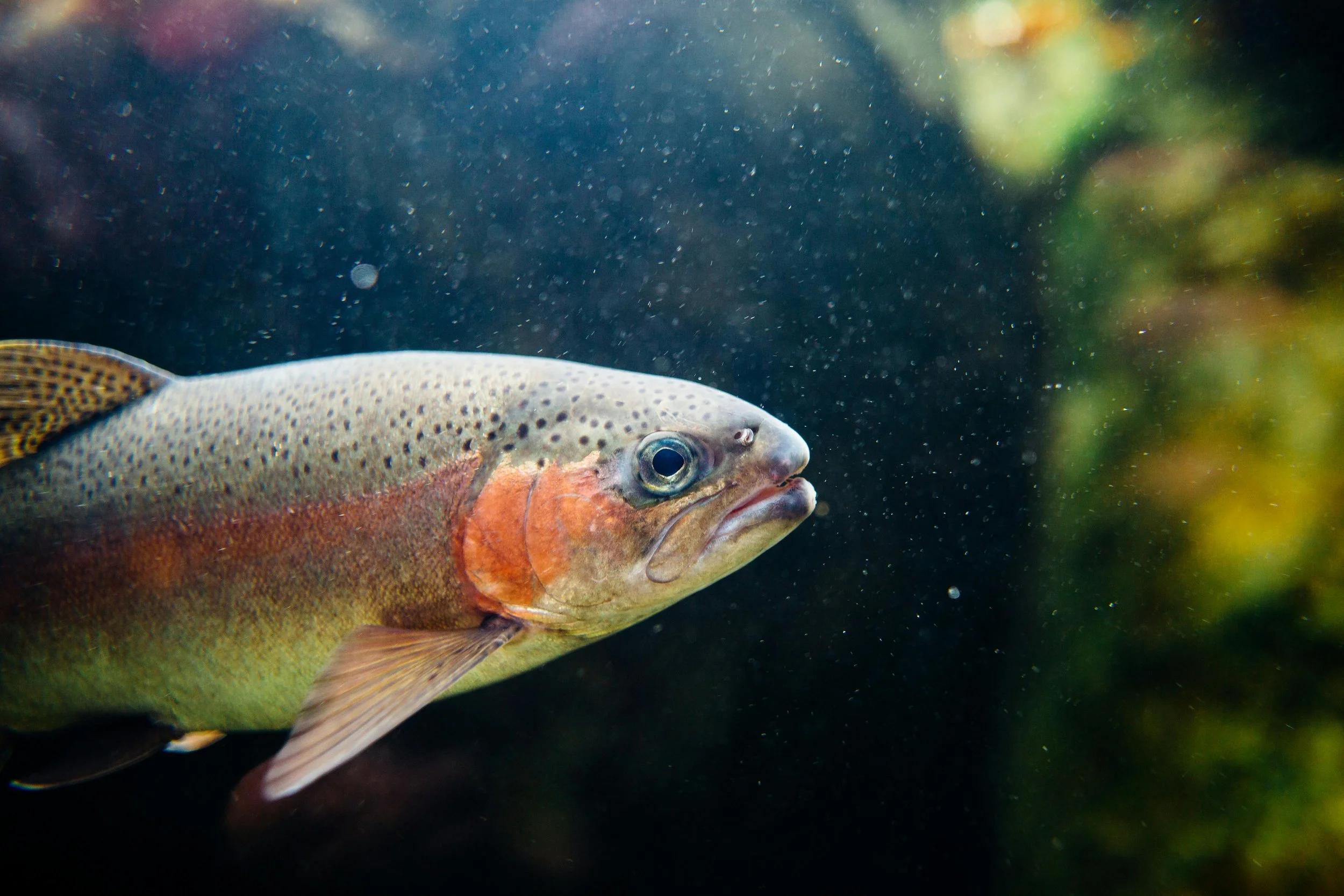
Marsh grasses provide nursery areas for fish and crustaceans. Root systems create microhabitats for invertebrates. Birds utilize vegetated edges for foraging and nesting.
Communities that depend on fisheries and ecotourism benefit from enhanced habitat connectivity. Living shorelines support biodiversity while delivering structural protection.
This ecological function also strengthens regulatory alignment and public acceptance.
Sea-Level Rise and Adaptive Capacity
Sea-level rise presents long-term challenges for coastal infrastructure. Rigid armoring fixes shoreline position, limiting adaptive capacity.
Living shorelines, by contrast, can migrate landward where space allows. Sediment accretion and vegetation growth support vertical adjustment. This dynamic response improves resilience over time.
Proper planning must account for potential migration corridors and long-term land use compatibility.
Regulatory and Permitting Considerations
Living shorelines often receive favorable consideration within coastal permitting frameworks. Many regulatory agencies encourage nature-based solutions where feasible.
Permitting requirements vary by jurisdiction and may include environmental impact assessments, habitat evaluations, and construction timing restrictions to protect spawning seasons.
Designs must demonstrate that tidal exchange is preserved and adjacent properties are not adversely affected.
Ecological Improvements integrates regulatory compliance into design planning, aligning technical performance with permitting pathways.
Construction Phasing and Seasonal Timing
Successful establishment depends on appropriate timing. Planting windows are aligned with optimal growing seasons to maximize root development before exposure to high-energy conditions.
Phased installation may be required to stabilize priority areas first while allowing staged vegetation establishment.
Construction sequencing must minimize disturbance to adjacent habitats and maintain safe access.
Maintenance and Long-Term Monitoring

Living shorelines require initial monitoring to ensure successful establishment. Early inspection identifies areas needing supplemental planting or reinforcement.
Once established, maintenance requirements are typically lower than hard armoring. Vegetation becomes self-sustaining, with periodic monitoring to address invasive species or localized erosion.
Adaptive management ensures continued performance as environmental conditions evolve.
Comparing Living Shorelines to Bulkheads and Riprap
Living shorelines and hard armoring serve different functions. Bulkheads provide immediate vertical separation between land and water. Riprap dissipates energy through rock mass.
Living shorelines distribute energy across vegetated zones and encourage sediment retention. They provide ecological function and adaptive capacity.
In some high-energy settings, hybrid approaches may be appropriate, combining limited structural elements with vegetative systems.
The appropriate solution depends on site-specific risk tolerance, wave climate, regulatory context, and long-term objectives.
Ecological Improvements’ Living Shoreline Approach
At Ecological Improvements, living shoreline design is grounded in engineering principles and ecological science. We assess wave exposure, sediment transport, soil composition, and adjacent land uses before recommending solutions.
Plant selection prioritizes native species adapted to local salinity and tidal ranges. Stabilization materials are selected based on site energy conditions and long-term durability.
Our goal is to deliver shoreline systems that strengthen over time, protect adjacent properties, and support ecosystem health.
Contact Us!
If your coastal or tidal shoreline is experiencing erosion and you are evaluating alternatives to bulkheads or extensive armoring, a living shoreline assessment can clarify your options. Ecological Improvements designs and implements living shoreline systems tailored to site-specific wave climate, soils, and regulatory requirements. Contact our team to determine whether a nature-based shoreline stabilization strategy aligns with your long-term resilience goals.