Signs Your Pond Is Failing (And What to Do Next)
Stormwater ponds are designed to function quietly in the background. When they are working properly, they detain runoff, settle sediment, and manage discharge without drawing attention. When they begin to decline, however, the signs are usually visible long before a catastrophic failure occurs.
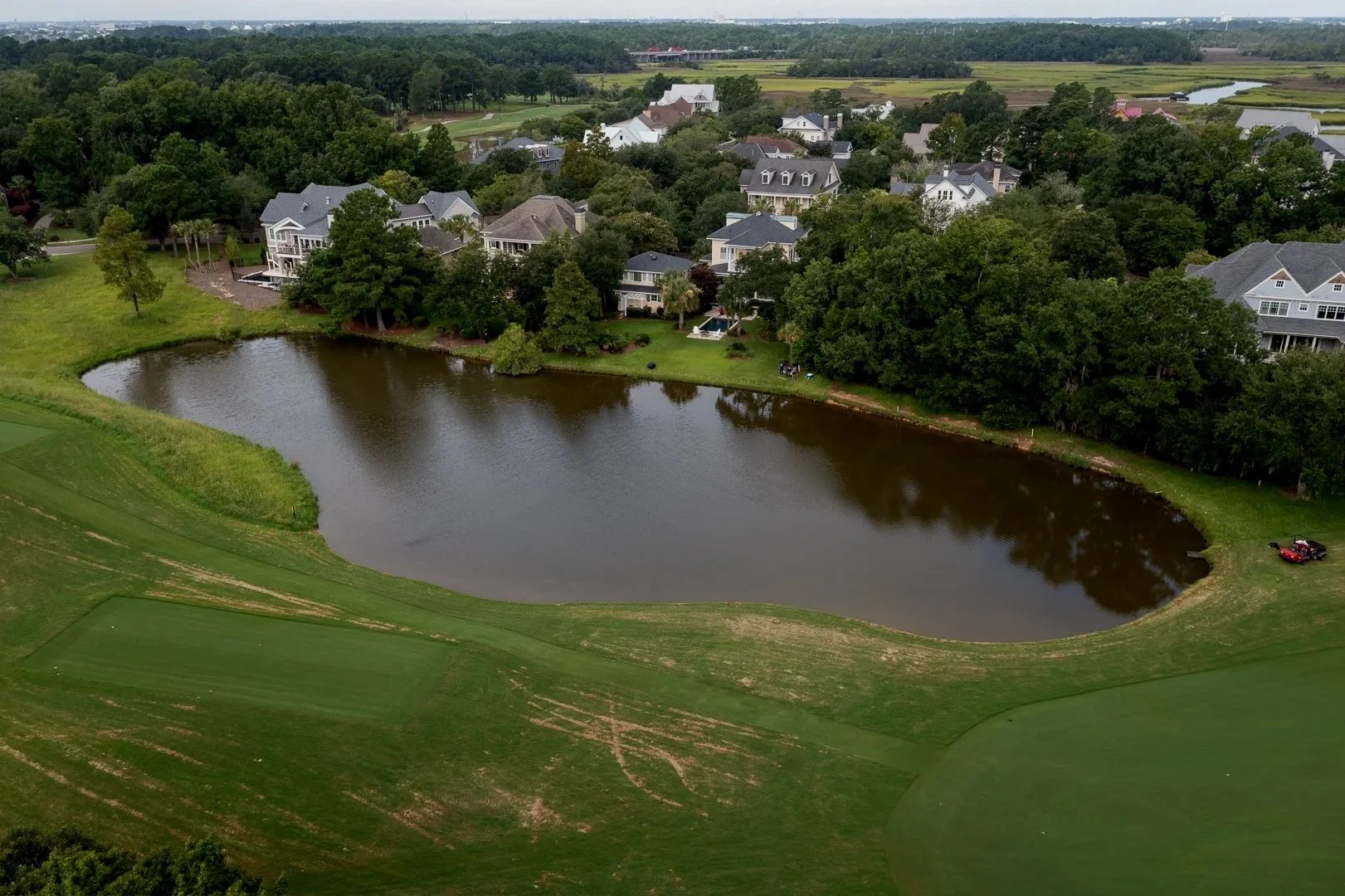
Stormwater ponds rarely fail overnight. Instead, they provide incremental visual and structural clues that something within the system is changing. These early warning signs are often dismissed as cosmetic issues or routine aging. In reality, they represent shifts in hydraulic performance, structural stability, or ecological balance. Catching these signals early is one of the most effective ways to avoid large capital expenditures, emergency repairs, and regulatory complications.
At Ecological Improvements, we approach pond evaluations through a system-based lens. We do not simply catalog surface-level issues. We interpret visible warning signs as indicators of deeper system behavior. This page provides a comprehensive guide to identifying common stormwater pond warning signs, understanding what they mean, and determining what actions should follow.
Why Stormwater Ponds Decline Gradually Instead of Suddenly
Stormwater ponds are engineered ecosystems. They rely on a balance of hydraulic flow, sediment management, vegetation stability, and structural integrity. Over time, these components shift in response to storm events, upstream land use changes, maintenance practices, and natural ecological succession.
Sediment accumulates incrementally. Shorelines erode gradually. Pipes settle slowly. Nutrient loading increases subtly. Each of these processes contributes to system stress, but rarely triggers immediate collapse.
Because decline is gradual, warning signs are often present for months or years before major failure occurs. Algae blooms may increase in frequency. Banks may show minor slumping. Outfalls may exhibit slight scour. Individually, these signs may seem manageable. Collectively, they reveal systemic strain.
Understanding this progression is critical. Reactive management waits for obvious failure. Proactive management interprets early indicators and intervenes strategically.
Chronic Algae Blooms and Persistent Murky Water
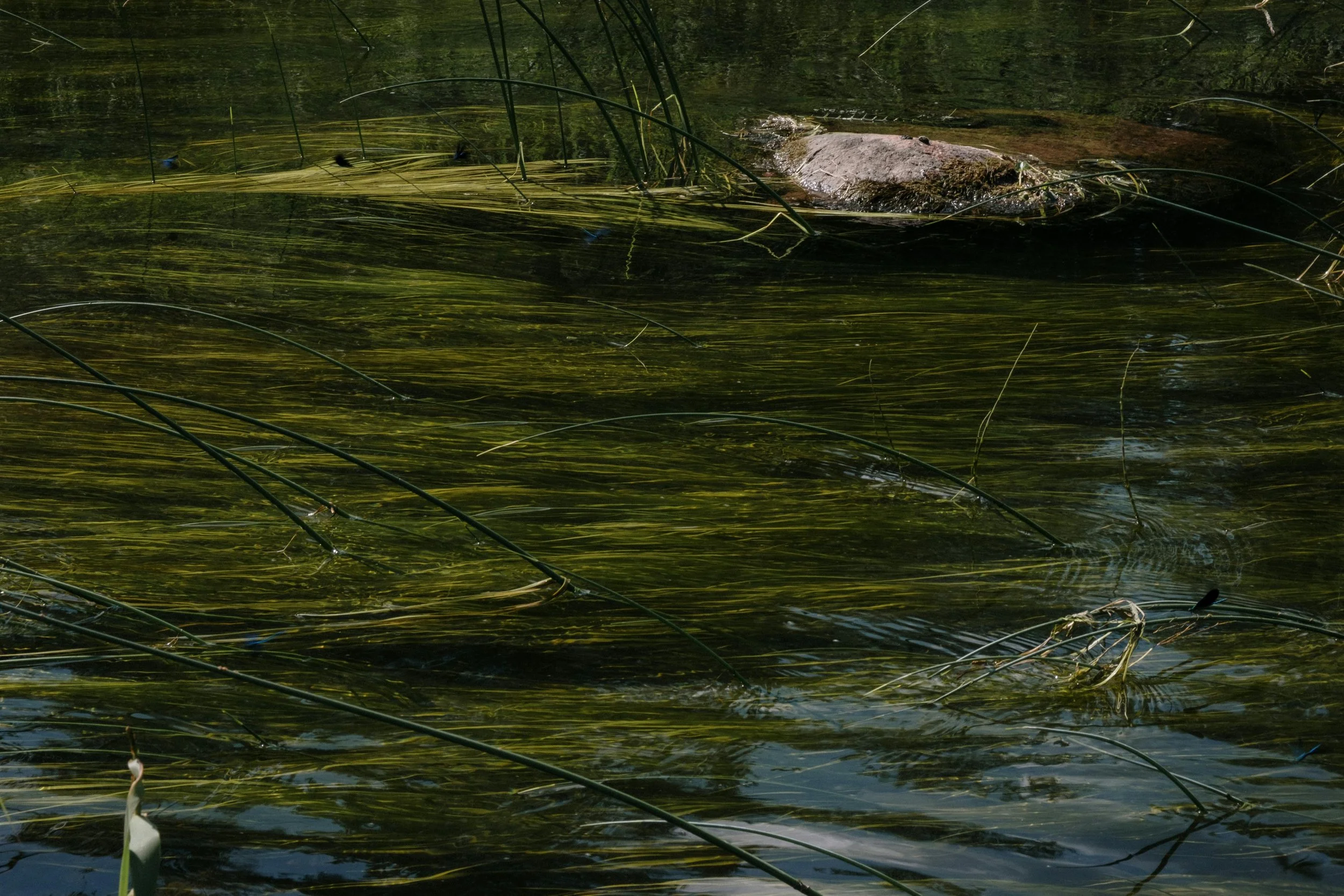
One of the most visible stormwater pond warning signs is chronic algae growth or sustained turbidity. Occasional algae presence is normal in nutrient-rich environments. However, recurring blooms or consistently murky water signal imbalance.
Algae blooms typically indicate excess nutrient loading, particularly nitrogen and phosphorus. These nutrients often originate from lawn fertilizers, pet waste, organic debris, or upstream soil erosion. When nutrient inputs exceed the pond’s natural assimilation capacity, algae proliferate.
Shallow water due to sediment accumulation can exacerbate this issue. As sediment fills the basin, water warms more quickly, creating favorable conditions for algae growth. Reduced depth also decreases detention time, limiting pollutant settling.
Poor circulation is another contributing factor. If inlet flows are short-circuiting directly to the outlet, or if dense vegetation obstructs movement, stagnant zones develop. These zones support anaerobic conditions and further degrade water quality.
Algae blooms are not purely aesthetic concerns. They indicate that the pond’s treatment capacity may be compromised. Left unaddressed, nutrient cycling intensifies and blooms become more frequent and severe.
Early intervention may involve sediment assessment, vegetation management, or inlet flow corrections rather than full dredging. The key is diagnosing the underlying cause rather than treating surface symptoms.
Eroding or Slumping Banks
Shoreline instability is among the most common structural warning signs in stormwater ponds. Bare soil, exposed roots, undercut edges, and slumping slopes are indicators that the bank is losing integrity.
Wave energy, fluctuating water levels, and concentrated runoff all contribute to shoreline erosion. Turfgrass edges are particularly vulnerable because their shallow root systems offer limited soil reinforcement.
As erosion progresses, sediment enters the basin, accelerating depth loss and increasing turbidity. Slumping can threaten adjacent infrastructure such as walking paths, fencing, and landscaping.
Minor rills or exposed soil patches may appear insignificant. However, they often represent the first stage of slope failure. Once vegetation is compromised, erosion accelerates rapidly during storm events.
Woody vegetation on embankments adds complexity. While trees may appear stabilizing, their roots can create preferential flow paths through embankment soils. When trees fall or are removed improperly, voids remain, increasing collapse risk.
Early stabilization measures, including regrading, vegetative reinforcement, and strategic structural support, are significantly more cost-effective than addressing large-scale embankment failure.
Inlet and Outlet Performance Issues
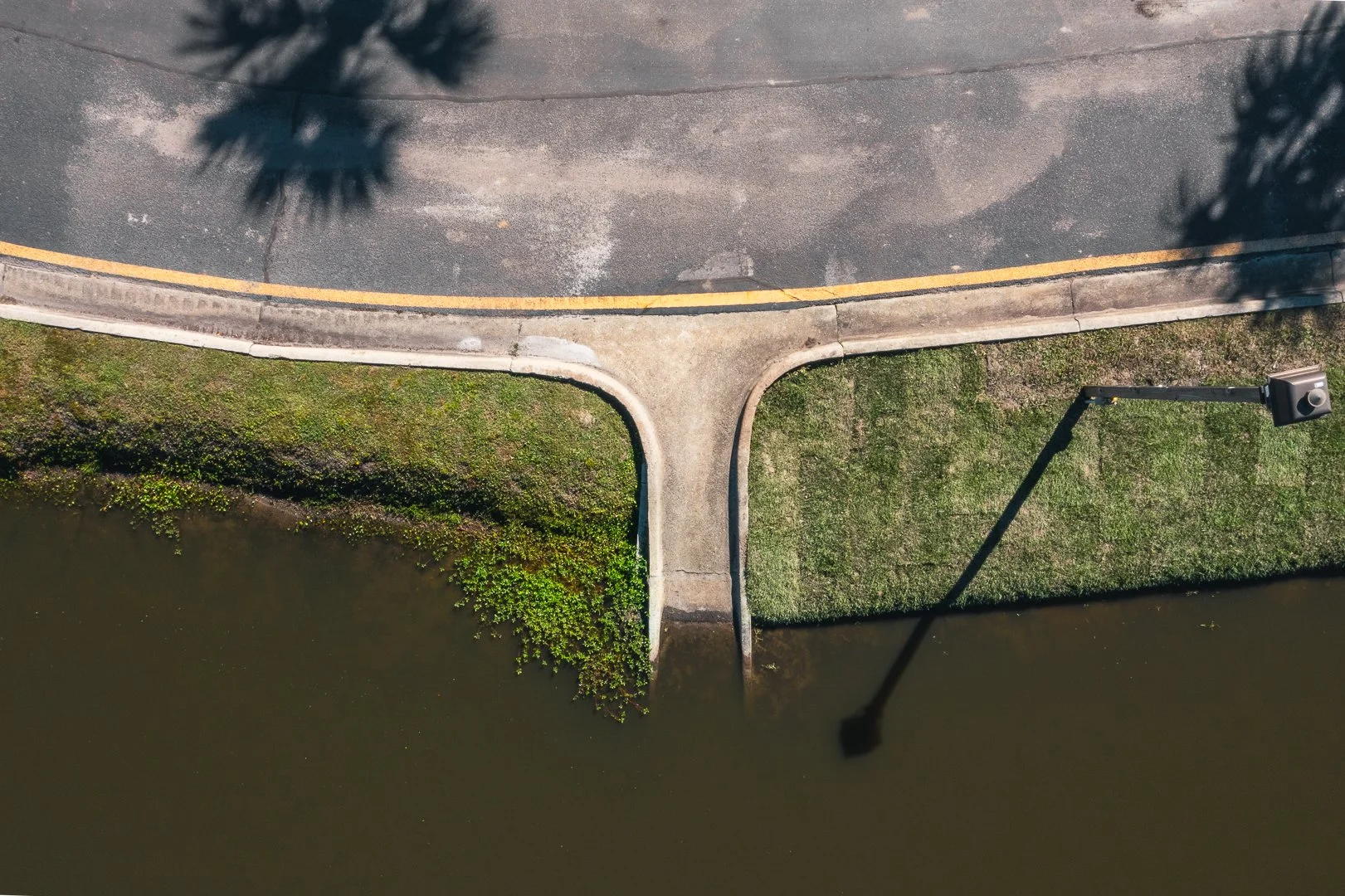
Stormwater ponds depend on properly functioning inlets and outlets to regulate water movement. Problems at these points often drive broader system instability.
Inlets partially buried in sediment indicate upstream erosion or neglected forebay maintenance. Reduced inlet capacity alters flow patterns and increases hydraulic pressure elsewhere in the system.
Debris-clogged pipes or headwalls restrict discharge, potentially causing elevated water levels and overtopping during heavy rainfall. Damaged headwalls or displaced riprap suggest excessive velocity or inadequate stabilization.
At the outlet, scour downstream may indicate that discharge energy exceeds stabilization capacity. This not only threatens downstream areas but also signals imbalance within the pond.
Structural issues such as joint separation, pipe misalignment, or bedding failure often manifest as sinkholes or depressions near pipe alignments. These are serious warning signs requiring immediate investigation.
Identifying inlet and outlet issues early prevents cascading failures and supports regulatory compliance.
Standing Water in Unintended Areas
Stormwater ponds are designed with defined water levels and drainage patterns. When water appears where it should not persist, it signals a potential structural or hydraulic issue.
Persistent soggy areas along embankments may indicate leakage or seepage through compromised soils. New wet spots near pipe paths often suggest joint separation or bedding failure.
Sinkholes are particularly concerning. They indicate subsurface erosion, often related to pipe failure or uncontrolled water movement. Left unaddressed, these voids can expand and compromise structural stability.
Standing water in upland areas adjacent to the pond may reflect altered grading or blocked conveyance paths.
These issues should not be dismissed as minor anomalies. They often represent early-stage structural failures that are less expensive to correct when identified promptly.
Unmanaged Woody Vegetation on Embankments
Woody vegetation growing on embankments is a subtle but significant warning sign. Trees and shrubs may seem harmless, but they pose structural risks in stormwater pond settings.
Roots from woody plants can penetrate embankment cores, creating channels that facilitate water movement. Over time, this weakens structural integrity.
If trees are removed improperly, decomposing roots leave voids that increase seepage risk. Windthrow during storms can uproot trees, destabilizing large sections of embankment.
Routine inspection and managed vegetation removal reduce these risks. Replacement with appropriate native grasses and herbaceous species provides stabilization without compromising structural performance.
Prioritizing Pond Warning Signs by Risk
Not all warning signs require immediate intervention. However, understanding which issues present structural or safety risks is critical.
At Ecological Improvements, we prioritize findings in a structured manner. Safety and structural integrity concerns are addressed first. These include sinkholes, pipe failures, significant embankment instability, and compromised control structures.
Erosion and sedimentation concerns follow, particularly when they threaten long-term capacity. Water quality issues such as chronic algae blooms are addressed through targeted nutrient management strategies.
Aesthetic and access improvements are typically phased after higher-risk items are stabilized.
This risk-based prioritization ensures resources are allocated effectively and avoids unnecessary disruption.

The Pond Health Check Process
A structured pond health check provides clarity. It includes:
A comprehensive site walk-through covering inlets, forebays, banks, outlets, and upland transitions.
Photographic documentation of observed conditions.
Identification of probable root causes.
Risk-based prioritization of corrective actions.
Phased implementation options when appropriate.
This process transforms vague concerns into actionable plans.
Budgeting and Phased Implementation
Many communities hesitate to address pond issues due to cost uncertainty. Phased implementation provides flexibility.
High-risk structural issues can be addressed immediately. Moderate-risk erosion or sedimentation concerns can be scheduled within defined timeframes. Long-term enhancements such as buffer installations can be integrated into capital planning.
Clear documentation and prioritization support intelligent budgeting and reduce the likelihood of emergency expenditures.
Moving From Reactive to Intentional Management
Stormwater ponds are long-term assets. Managing them intentionally requires understanding their signals and responding strategically.
By identifying warning signs early, property owners and managers can preserve function, maintain compliance, and avoid disruptive failures.
Ecological Improvements provides system-based evaluations that translate complex pond behavior into clear, practical recommendations.
Contact Us!
If your stormwater pond is showing signs of algae growth, shoreline erosion, structural anomalies, or unmanaged vegetation, a structured health assessment can provide clarity. Ecological Improvements conducts comprehensive stormwater pond evaluations that identify root causes, prioritize risk, and outline practical next steps. Contact our team to schedule a pond health check and move from reactive repairs to intentional management.