Stormwater Compliance for General Contractors: Installation, Maintenance, and Documentation
Stormwater compliance is no longer a peripheral responsibility on construction sites. For General Contractors, it is now a core operational requirement that directly affects schedules, budgets, inspections, and project reputation. Regulatory expectations continue to rise, enforcement is more consistent, and tolerance for poorly performing Best Management Practices has diminished across municipalities, state agencies, and federal programs.
This page is written as a definitive, system-based resource for General Contractors who need stormwater and erosion control to function predictably under real construction conditions. It explains what compliance actually requires in practice, why failures continue to occur, and how installation quality, responsive maintenance, and documentation work together as a single system. The goal is not to promote fear of enforcement, but to provide clarity, structure, and practical guidance that aligns with how construction projects actually operate.
Why Stormwater Compliance Is Now a Core Construction Function
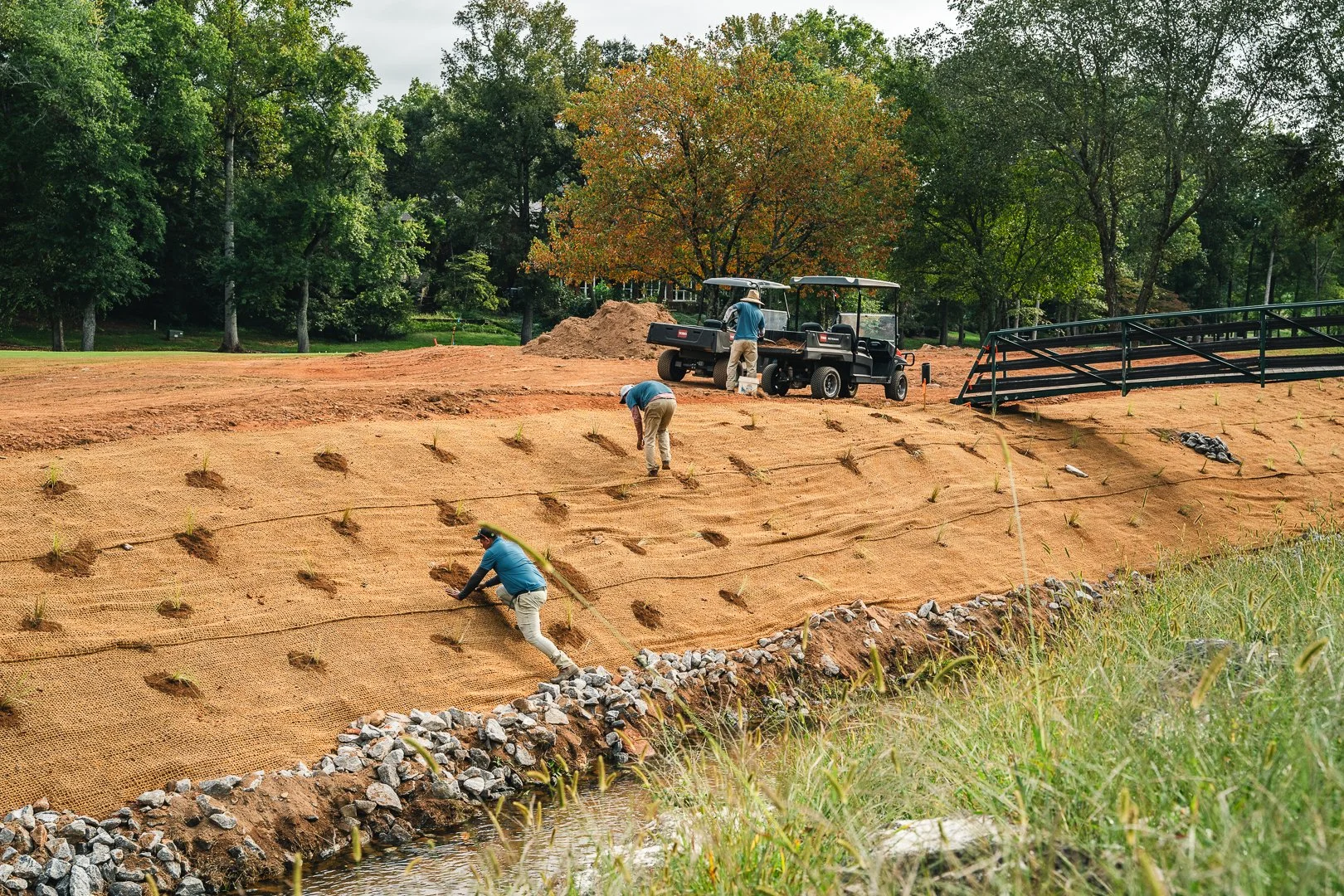
For decades, stormwater compliance was often treated as a secondary task. Controls were installed early, inspected periodically, and addressed when problems became visible. That approach no longer aligns with current regulatory realities or site conditions.
Today’s construction sites are more complex. Projects disturb larger areas, schedules are tighter, and extreme weather events are more frequent and intense. At the same time, regulators have improved training, standardized inspection protocols, and expanded enforcement authority. The result is a compliance environment where intent is no longer enough. Performance, responsiveness, and documentation are what matter.
From a General Contractor’s perspective, stormwater compliance intersects with nearly every aspect of a project. Poorly installed controls lead to repeated failures after rain events. Deferred maintenance creates sediment discharges that trigger inspections. Inadequate documentation leaves teams exposed even when corrective actions are taken. Each of these issues consumes time, creates friction with owners and inspectors, and introduces unnecessary risk.
Importantly, stormwater compliance is no longer isolated to environmental staff or subcontractors. Inspectors expect site leadership to understand how systems function, how failures are addressed, and how improvements are implemented over time. This expectation applies equally to private development, public infrastructure, and vertical construction projects.
The contractors who adapt successfully are those who treat stormwater controls as operational infrastructure rather than temporary accessories. They recognize that predictable performance reduces rework, protects schedules, and supports stronger relationships with owners and regulators alike.
Proper BMP Installation as the Foundation of Compliance
Installation quality is the single most important determinant of BMP performance. Most erosion and sediment control failures can be traced back to improper placement, incomplete installation, or misunderstanding of how a control is intended to function within the site’s drainage system.
Silt fence provides a clear example. When installed correctly, it intercepts sheet flow, allows sediment to settle, and prevents transport off-site. When installed incorrectly, it becomes a visual placeholder that fails during the first rainfall. Common installation errors include placing fence in concentrated flow paths, failing to trench and key the fabric, or installing fence without regard to contour. These mistakes allow water to bypass or undercut the control, leading to erosion and sediment discharge.
Check dams are similarly misunderstood. Their purpose is not to block flow, but to slow it by creating backwater conditions. When spaced too far apart, constructed too small, or placed inconsistently, they do little to reduce velocities. In some cases, poorly installed check dams actually increase erosion by forcing water around the structure rather than through it.
Construction entrances are another frequent point of failure. Stone depth, stone size, and entrance length must be matched to site traffic and soil conditions. Shallow stone sections or undersized aggregate quickly become ineffective, tracking sediment onto roadways and triggering enforcement action. Without routine reshaping and replenishment, even well-designed entrances lose functionality.
Proper installation also requires understanding sequencing. Controls must be installed before disturbance occurs, not after problems appear. Temporary measures should transition to permanent stabilization as soon as areas reach final grade. Treating BMPs as static installations rather than evolving components of the project leads to predictable compliance issues.
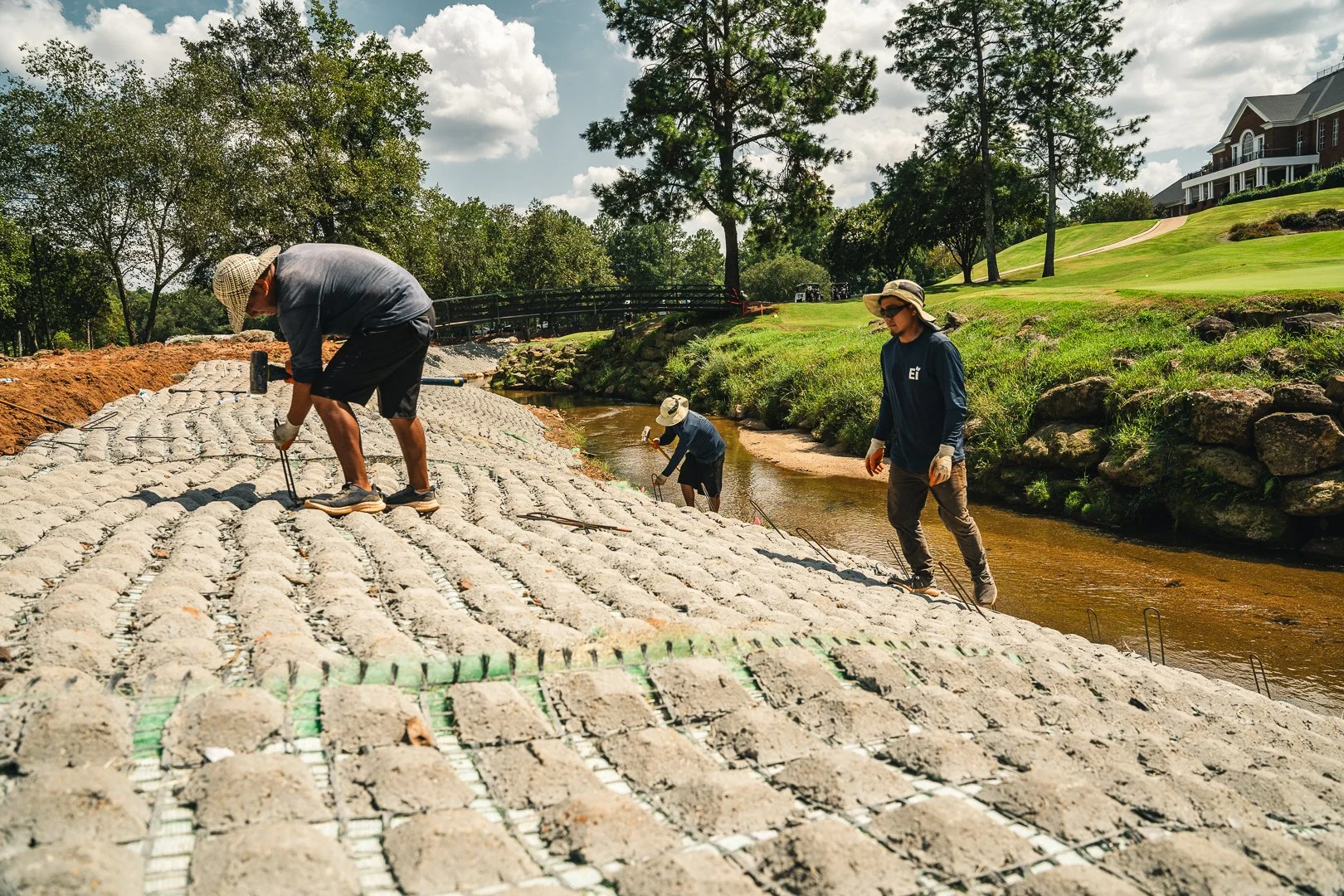
General Contractors who prioritize installation quality benefit from fewer failures, fewer emergency repairs, and more consistent inspection outcomes. Installation is not about checking a box. It is about establishing a system that can withstand real storm events.
Responsive Maintenance and Active Site Management
Even the best-installed BMPs will fail without responsive maintenance. Construction sites are dynamic environments where grading changes, drainage patterns shift, and weather events test system limits. Regulators understand this reality. What they evaluate is not whether failures occur, but how the site responds when they do.
Responsive maintenance begins with awareness. After significant rainfall, sites should be evaluated promptly for damage, sediment accumulation, and altered flow paths. Controls that were effective before a storm may no longer be positioned correctly afterward. Waiting for the next scheduled inspection to address these changes increases risk.
Active site management also means improving systems rather than repeatedly patching them. If a control fails in the same location multiple times, it indicates a design or placement issue rather than a maintenance lapse. Regulators increasingly expect to see adjustments that address root causes, such as adding additional controls, modifying spacing, or stabilizing upstream areas.
Vegetation establishment plays a critical role in long-term maintenance. Temporary controls are not intended to function indefinitely. Areas that remain unstabilized longer than necessary increase sediment loads and maintenance demands. Coordinating grading, seeding, and erosion control installation reduces reliance on temporary measures and improves overall site stability.
Maintenance responsibilities must also be clearly defined. Ambiguity between contractors, subcontractors, and third-party inspectors often leads to delays in corrective action. Successful sites establish clear lines of responsibility and authority for stormwater response.
From a compliance standpoint, responsive maintenance demonstrates intent and diligence. It shows inspectors that the site is being actively managed rather than passively observed. This distinction matters during inspections and can influence enforcement decisions.
Documentation as a Compliance Tool, Not an Afterthought
Documentation is often viewed as administrative overhead. In reality, it is one of the most powerful tools available to General Contractors in managing regulatory risk. Proper documentation connects installation quality and maintenance responsiveness into a coherent compliance narrative.
Inspection reports provide a record of site conditions over time. They demonstrate that controls are being evaluated consistently and that deficiencies are identified. Repair logs show that issues are addressed promptly. Photo documentation provides visual confirmation of conditions before and after corrective action. Together, these records create transparency.
In many enforcement cases, the issue is not that a problem occurred, but that the site cannot demonstrate how it was managed. Without documentation, even proactive efforts can be difficult to defend. With documentation, sites can show patterns of improvement and intentional management.
As-built updates are another frequently overlooked component. Construction sites evolve, and BMP layouts often change from original plans. Keeping records aligned with actual site conditions reduces confusion during inspections and supports more accurate evaluations.
For General Contractors managing multiple projects, standardized documentation practices improve efficiency. They reduce variability, clarify expectations, and make it easier to demonstrate compliance across portfolios.
Documentation should not be reactive or rushed. It should be integrated into routine site operations and treated as part of the stormwater system itself.
Regulatory Expectations and Inspection Realities
Understanding how inspections are conducted helps General Contractors align site practices with regulatory expectations. Inspectors are trained to evaluate both physical conditions and management processes. They look for evidence that BMPs are appropriate for site conditions, maintained effectively, and supported by documentation.
Inspections often focus on high-risk areas such as perimeter controls, discharge points, construction entrances, and areas of active grading. Repeated deficiencies in these locations signal systemic issues rather than isolated lapses.
Regulators also evaluate trends. A site that shows improvement over time is viewed differently than one with recurring unresolved issues. This is where documentation and responsive maintenance intersect with inspection outcomes.
It is important to recognize that inspectors operate within defined frameworks. Programs such as CEPSCI influence how erosion and sediment control practices are evaluated. Aligning site practices with these frameworks reduces uncertainty and improves predictability.
Successful General Contractors do not treat inspections as adversarial events. They view them as checkpoints that validate system performance. This mindset shift supports better outcomes for all parties involved.
Stormwater Compliance as a Competitive Advantage
While stormwater compliance is often perceived as a cost center, it can also be a differentiator. Owners, developers, and public agencies increasingly value contractors who demonstrate environmental responsibility and risk awareness.
Projects with predictable compliance performance experience fewer delays, fewer enforcement actions, and fewer disputes. This reliability supports stronger client relationships and repeat work. In competitive bidding environments, documented stormwater performance can be an asset.
Internally, effective stormwater systems reduce disruption. Crews spend less time responding to emergencies and more time advancing the project. Schedules become more reliable, and budgets are protected from unplanned remediation costs.
Viewing compliance as part of quality management rather than an external obligation changes how resources are allocated and priorities are set. This perspective aligns with long-term business sustainability.

How Ecological Improvements Supports General Contractors
Ecological Improvements works with General Contractors to make stormwater compliance manageable and predictable. The focus is on practical, field-tested solutions that integrate with construction operations rather than disrupt them.
Services include site-specific inspections informed by current industry standards, on-the-ground BMP repairs, erosion control installation, and vegetation establishment. The goal is not to replace contractor oversight, but to support it with technical expertise and system-level thinking.
By addressing installation quality, maintenance responsiveness, and documentation together, Ecological Improvements helps contractors reduce risk without losing focus on schedule and quality.
Building a Stormwater System That Works Under Real Conditions
Stormwater compliance is not achieved through isolated actions. It is the result of a system that integrates planning, installation, maintenance, and documentation. When these elements work together, compliance becomes predictable rather than reactive.
General Contractors who invest in this system-based approach experience fewer surprises, smoother inspections, and stronger project outcomes. The complexity of stormwater management does not disappear, but it becomes manageable.
Schedule a Consultation
If stormwater compliance is consuming more time and resources than it should, a structured evaluation can identify opportunities for improvement. A consultation provides clarity on system performance, regulatory alignment, and practical next steps.