Why the Same Stormwater Problems Keep Returning
A stormwater pond can look well maintained from a distance while sediment limits an inlet or erosion develops beyond its outlet. A drainage swale can look overgrown while its vegetation is protecting the soil beneath it. Appearance offers clues, but it does not establish whether a stormwater system is performing its intended function.
That is why a useful inspection looks beyond individual structures. It follows the path of water through a site, compares current conditions with plans and past observations, and asks what caused each visible change. The result should help an owner or manager decide whether to schedule routine maintenance, investigate a recurring problem, or obtain a more detailed technical assessment.

Ecological Improvements brings together professionals working across stormwater management, erosion control, water quality, inspections, and project implementation. This article highlights one member of that team: Senior Environmental Consultant Joseph Garavelli. His work with contractors, engineers, municipalities, developers, and property owners reflects an approach shared across Ei: field observations are most valuable when teams understand what they mean and how to act on them.
Read the Drainage System, Not Just the Pond
A pond is often the most visible part of a property’s stormwater system, but its condition is shaped by everything that drains into it. Runoff may travel from roofs and pavement through catch basins, pipes, channels, and swales before reaching the water. It then moves through an outlet structure and into a downstream conveyance or waterway. An inspection focused only on the pond can miss the source of a problem.
A system-based review begins by identifying these connections. Available drainage plans, maintenance records, and past inspection reports provide a starting point. The field review tests those records against current conditions, especially on older sites where repairs, landscaping, or nearby development may have changed runoff patterns.
Follow the evidence upstream and downstream
Suppose sediment is accumulating near a pond inlet. Removing it may be necessary, but an inspector should also ask where it came from. Bare soil along an upstream swale, erosion at a pipe discharge, or disturbed ground in the contributing drainage area may be supplying material faster than routine pond maintenance can remove it.
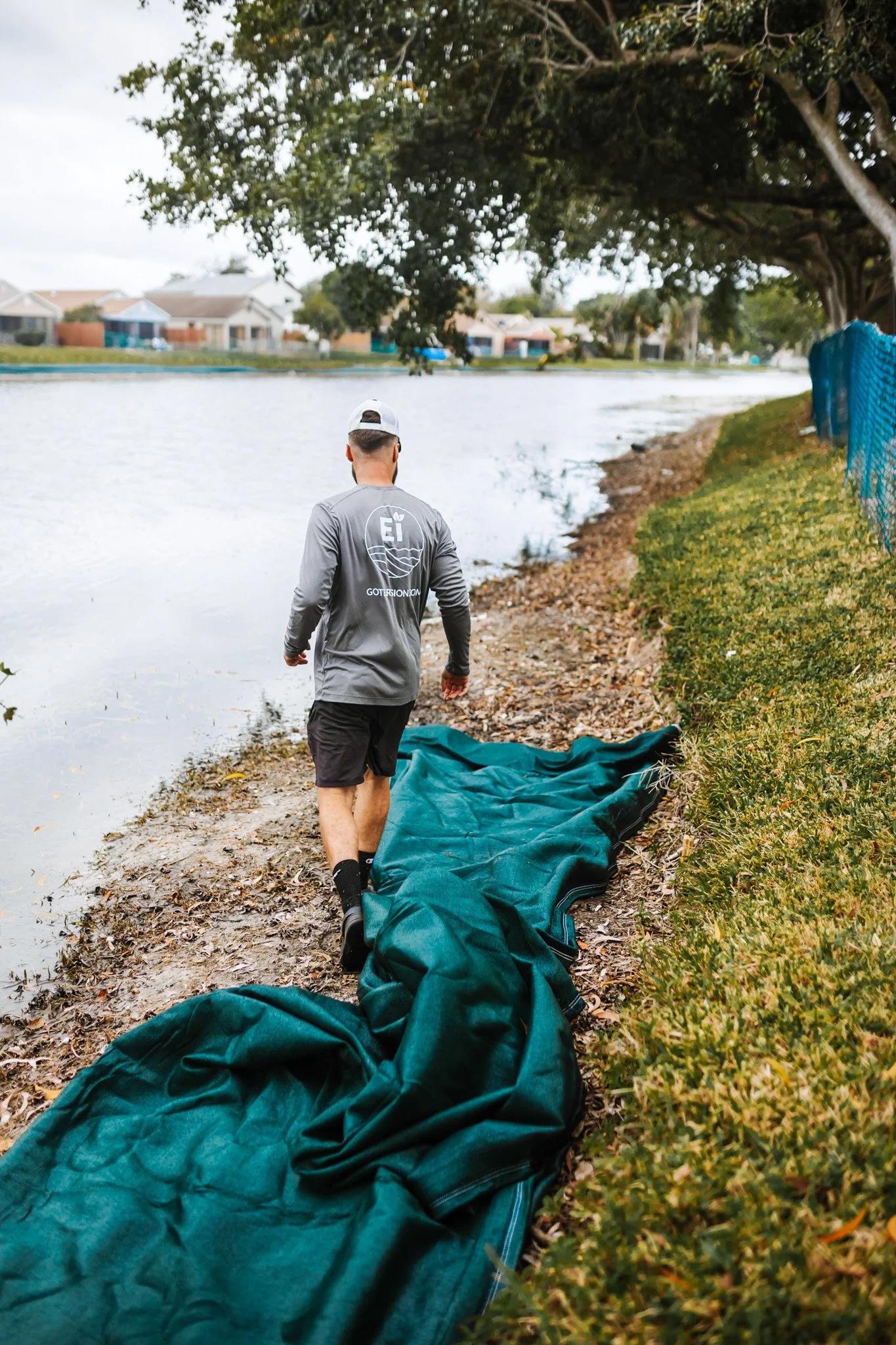
The same approach applies downstream. Erosion below a pond outlet may indicate concentrated discharge, a damaged energy dissipation feature, or changes in the receiving channel. Looking at the pond water alone would not explain the condition. EPA’s stormwater pond inspection guidance includes embankments, spillways, side slopes, and inlet and outlet structures among the features to examine for erosion. www.epa.gov
Water should also be observed at locations where its path is uncertain. Staining, deposited debris, flattened vegetation, or a distinct line of sediment can indicate where flow has moved during a storm. These signs do not prove the cause on their own, but they help identify which connections or grades need closer review.
Compare field conditions with the intended design
An inspection gains context from the approved plan and the purpose of each practice. A wet pond, a dry detention basin, and a vegetated swale perform different jobs. Standing water that is expected in one feature may warrant investigation in another. Likewise, vegetation that helps stabilize a channel should not automatically be treated as an obstruction.
Plans may show the intended connections, elevations, and access points, but field conditions can differ. A structure may have been replaced, a pipe may be buried, or an inlet may be difficult to reach because of later site changes. Record those differences instead of assuming that the drawing fully describes the system today.
This is also an opportunity to clarify maintenance responsibility. A connected drainage system can cross property lines or involve facilities maintained by different parties. Identifying a deficiency does not by itself establish who owns the asset. Maintenance agreements, easements, and local records may need review before substantial work is assigned.
For properties with incomplete records, our article on understanding the stormwater system you own offers a natural next step. An accurate inventory helps future inspectors locate the same assets and determine whether a condition is new, worsening, or already addressed.
Recognize the Difference Between a Symptom and Its Cause
A field inspection often starts with symptoms: sediment in a pond, water standing in an unexpected location, exposed soil, blocked flow, or stressed vegetation. The next task is to decide what those observations might mean. One symptom can have several possible causes, so a recommendation should reflect the strength of the available evidence.
For example, an eroding bank might be affected by concentrated runoff, changes in water level, inadequate vegetation, or flow entering at an unfavorable angle. Filling the eroded area without examining those conditions may result in a short-lived repair. The field assessment should describe what is visible, identify plausible contributing factors, and state what additional information is needed before a larger solution is chosen.
Look for patterns, not isolated photographs
A photograph documents a condition at one moment. Previous photographs and maintenance records show whether that condition is changing. If the same inlet is blocked after every storm, the pattern may point to an upstream debris source or an access issue that prevents effective cleaning. If erosion appears after a drainage modification, the timing may help focus the investigation.
Consistent observation points make comparisons easier. Record the asset location, date, recent site conditions, and a clear view of the deficiency. Measurements or closer technical evaluation may be appropriate where the extent of sediment, erosion, or structural damage will affect the recommended work. A photograph is useful evidence, but it cannot replace measurements when the decision depends on them.
Ask how the finding affects function. Sediment near an inlet may reduce access or change the way water enters a pond. Vegetation may obstruct a structure, or it may be helping protect an embankment. A small area of bare soil may be stable, while an expanding channel indicates ongoing loss. The condition and its trend matter more than a generic description such as “pond needs maintenance.”
Separate routine upkeep from a deeper problem
Some findings have a clear maintenance response. Debris can be removed from an accessible inlet, invasive plants can be managed according to a site-specific plan, and an area of minor surface damage may be repaired once its cause is understood. Other findings point to the need for further assessment: persistent seepage, repeated erosion, unexpected water levels, suspected pipe failure, or damage that returns soon after repair.
The distinction helps owners use maintenance funds effectively. Routine work preserves a functioning asset. Investigation determines why it is not functioning as expected. A larger repair or redesign may follow if the investigation shows that maintenance alone cannot resolve the problem.
EPA’s guidance for wet ponds and wetlands addresses inspection and maintenance across multiple components, including vegetation, sediment, pipes, and outlet areas. That breadth reflects why a deficiency should be considered in the context of the connected facility. nepis.epa.gov
An inspection report should make this distinction clear. It can identify the immediate action, such as clearing a structure, while separately recommending an investigation into recurring sediment or erosion. That gives the property team a useful path forward without presenting an unverified cause as a settled fact.
Turn Field Findings Into Work People Can Carry Out
A technically sound observation has limited value if the people responsible for the property cannot use it. “Erosion observed” identifies a category of problem, but it does not tell a manager where the erosion is, whether access is safe, what needs to happen next, or who should review the proposed work.
Effective reporting connects the finding to a specific asset and decision. It records the location, visible condition, likely effect on function, relevant photographs, and recommended next step. Where the cause is uncertain, the report should say so. This makes the recommendation more precise and helps avoid assigning a repair before the scope is understood.
Prioritize according to the condition
Not every finding needs the same response time. A blocked critical outlet, missing cover, or rapidly developing erosion may warrant prompt attention. Routine vegetation care or minor debris removal may fit a planned maintenance visit. The applicable permit, approved plan, or local requirement may also set deadlines or procedures that govern the response.
Priority should be based on the site and the observed condition, not on a universal checklist alone. A small obstruction at a feature serving a sensitive area may matter more than a larger amount of debris elsewhere. A condition near a building, road, or public access area may call for a different initial response from a similar condition in a remote part of a property.
Once the response is assigned, the record should follow it through completion. Include the work performed, the date, any change from the proposed scope, and a follow-up observation where one is needed. That makes it possible to determine whether a recurring finding reflects work that was never completed, work that did not hold, or a new change in site conditions.
Explain the finding to each team involved
Contractors, engineers, municipal staff, property managers, and owners may look at the same report for different reasons. The contractor needs to locate and access the work area. The engineer may need dimensions, elevations, or evidence of a broader performance issue. The owner needs to understand the decision, likely scope, and who is responsible for authorizing the next step.
Clear communication does not require removing technical detail. It requires connecting that detail to a practical consequence. Instead of stating only that an outlet apron is deteriorated, explain where the deterioration is occurring, what field evidence shows, and why a closer assessment or repair is recommended.
Education is one part of the work Ecological Improvements’ team does alongside inspections and site improvements. Joseph contributes to that effort by helping contractors, engineers, and municipal teams translate erosion control and water quality requirements into field practices. Training helps people recognize what to observe, document conditions consistently, and understand when a finding needs further review. Requirements for formal construction-site inspectors depend on the applicable permit; EPA’s Construction General Permit, for example, sets specific qualified-person training requirements for inspections under that permit. www.epa.gov
For teams building a repeatable process, our guide to turning stormwater inspections into a maintenance program can be linked here. It addresses how findings become assigned work and how completed actions can be verified over time.
Use Inspections to Improve Long-Term Decisions
The value of an inspection grows when its findings can be compared with the rest of a property’s history. One report may identify a blocked inlet. Several reports may show that the same inlet blocks after storms from a particular direction or following seasonal landscape work. That pattern can change the recommended solution.
A useful record links inspections, photographs, maintenance, repairs, and changes to the site. It should be possible to see what was observed, what action followed, and whether the condition returned. This is especially helpful when staff, contractors, or HOA boards change, because the next team does not have to reconstruct the history from memory.
Revisit assumptions when a problem keeps returning
Repeated maintenance is sometimes normal. Inlets need cleaning, vegetation needs care, and sediment must be managed over a facility’s service life. But repeated repairs to the same eroding location should prompt a closer look at the cause. The inspection record can show when ordinary upkeep is no longer producing a lasting result.
Review changes outside the stormwater facility as well. New pavement, altered landscaping, grading work, and development in a contributing area can affect how much water or sediment reaches an asset. A pond or swale may be responding to conditions that did not exist when it was built. The field assessment should account for those changes before recommending that an existing feature simply receive more frequent maintenance.
Long-term review also supports budgeting. A property team can plan recurring tasks while identifying assets that need detailed assessment or capital work. EPA describes inspection requirements, maintenance schedules, responsible parties, and funding as elements to consider in stormwater operation and maintenance planning. www.epa.gov
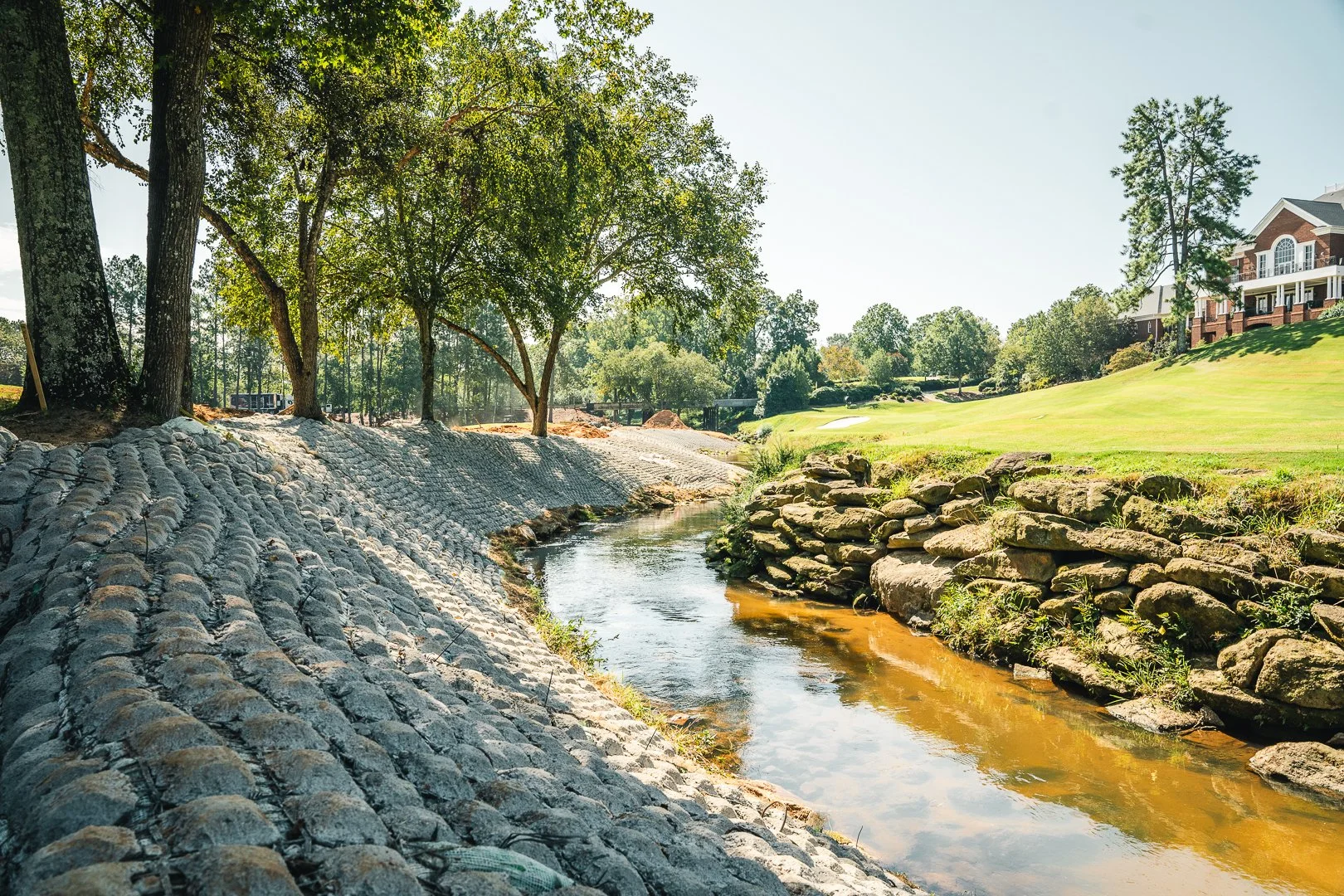
Connect education, inspection, and maintenance
People who work around stormwater infrastructure every day can notice changes between formal inspections. A maintenance crew may see a new sediment trail. A contractor may observe that an inlet receives more flow than expected. A property manager may hear repeated reports of water collecting in one area. Training helps those observations reach the right person with enough detail to be useful.
Field knowledge also improves the next inspection. A team that knows which structures were repaired, which areas have a history of erosion, and how the property is maintained can focus attention where conditions are changing. The aim is a reliable cycle: observe, diagnose, act, document, and reassess.
That approach applies whether the immediate concern is pond function, erosion along a conveyance route, or a post-construction BMP that needs a maintenance plan. It keeps recommendations tied to the site rather than relying on the same response for every property. Readers dealing with a specific issue can be directed to related resources on outfall maintenance, pond sediment accumulation, and shoreline erosion.
Discuss a Site-Specific Assessment
A stormwater inspection should leave you with a clearer understanding of how the system is functioning and what needs attention next. Joseph and the broader Ecological Improvements team work with property owners, developers, contractors, and municipalities to evaluate stormwater and erosion concerns and develop practical recommendations.