How to Build a Stormwater Maintenance Program That Turns Inspections Into Action
A stormwater inspection can identify a blocked inlet, an eroding bank, or sediment collecting near an outlet. The report becomes useful when someone decides what each finding means, assigns the work, and verifies that the repair addressed the cause. Without that process, the same condition may appear in the next inspection while the system continues to change.
A stormwater maintenance program connects those steps. It identifies the assets on a property, sets a practical inspection schedule, defines how findings become work, and preserves a record of completed actions. For an established property, it also helps the team distinguish routine upkeep from a problem that needs engineering assessment or a larger project.
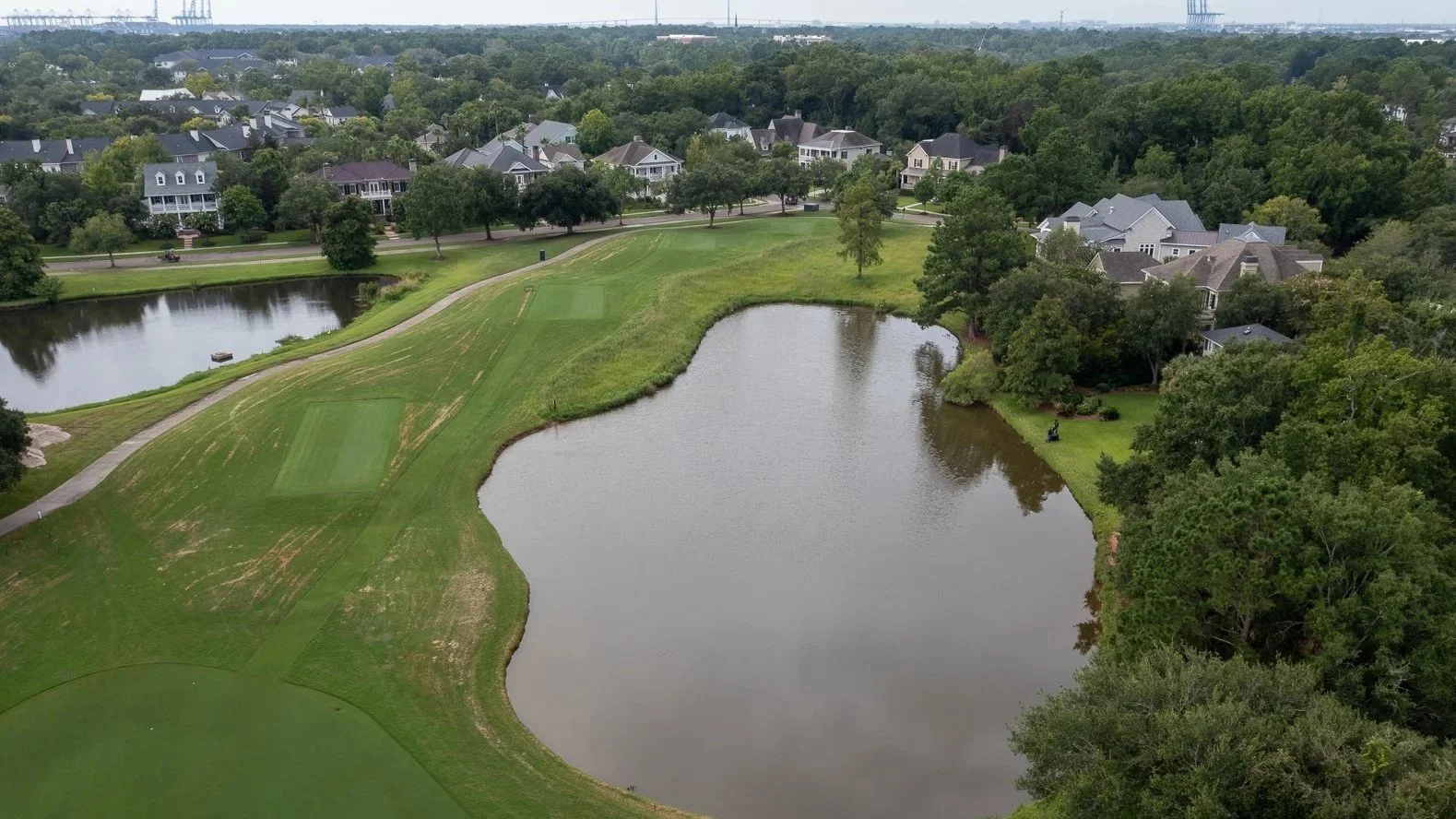
The program should reflect the actual system and the requirements that apply to it. A construction site operating under a stormwater permit, an HOA maintaining a permanent pond, and a municipality managing public drainage assets may all inspect stormwater controls, but they do not share one universal schedule or set of records. EPA identifies responsible parties, inspection requirements, maintenance schedules, funding, and access rights as core considerations in an operation and maintenance plan. US EPA
Start With the System You Actually Maintain
A maintenance schedule is only as complete as the asset list behind it. If a property’s records show a pond but omit the pipes feeding it, a recurring sediment problem may be treated as pond maintenance even when its source lies upstream. Likewise, a crew cannot inspect an outlet structure consistently if its location, access route, and ownership are unclear.
Begin with the available documents: approved drainage plans, as-built drawings, maintenance agreements, easements, prior inspection reports, repair records, and any applicable permit documents. Then compare those records with field conditions. Older plans are a useful starting point, but repairs, development, landscaping, and utility work can change how a system functions over time. A field review may reveal a buried inlet, an added connection, an inaccessible manhole, or an outfall that was never clearly documented.
The inventory should cover the connected drainage system, not just its most visible feature. Depending on the site, that may include catch basins, conveyance pipes, ditches, swales, forebays, ponds, embankments, outlet structures, emergency spillways, outfalls, infiltration practices, and vegetated treatment areas. Each asset needs a consistent identifier so an inspection finding can be tied to a location and compared with earlier observations.
Record information a crew can use in the field
For each asset, record its location, type, visible condition, known connections, access limitations, and the party believed to be responsible for maintenance. Include the document supporting that responsibility when one exists. A map with asset identifiers and inspection photographs is often more useful in the field than a long description alone.
Access deserves its own entry. A structure may be visible from a road but difficult to reach with equipment. A pond may have a maintenance easement on paper while fencing, vegetation, or a changed property boundary complicates entry. Those issues affect how quickly routine cleaning or repairs can happen. EPA includes easements or covenants among the elements to consider in an operation and maintenance plan. US EPA
Ownership should be checked rather than assumed. Water can move through assets maintained by an HOA, a commercial owner, a municipality, or another party. An outfall’s location on a property does not, by itself, settle who owns the pipe or who must maintain it. When responsibility is uncertain, note the uncertainty and review the relevant agreements, plans, and local records before assigning major work.
Map connections and recurring trouble spots
An inventory becomes more valuable when it shows how water moves. Mark where runoff enters, which assets convey or treat it, and where it leaves the site. Record low areas, overflow routes, and locations with repeated erosion, flooding, sediment deposits, or debris accumulation. This makes it easier to ask whether several visible problems share one upstream cause.
For example, sediment in a forebay may call for removal, but the team should also examine the contributing drainage area. Exposed soil, an unstable channel, or construction activity upstream may refill the forebay quickly. A maintenance program can document both the immediate task and the separate investigation needed to reduce recurrence.
This system map also improves handoffs. Board members, property managers, municipal staff, and contractors change over time. A current inventory helps the next person understand what exists, what has been repaired, and which questions remain open. EPA’s municipal program guidance emphasizes tracking the locations, conditions, ages, and inspection findings of structural stormwater practices to support maintenance over their service life. epa.gov
If the drainage network itself is poorly understood, an inventory project may need to come before a detailed maintenance calendar. Our related article on understanding the stormwater system you own can serve as an internal link here, especially for established properties with incomplete plans.
Set Inspection Triggers Around Function and Site Conditions
An annual calendar entry may help ensure a site receives attention, but it cannot answer every inspection question. Stormwater assets experience different loads, and their condition can change after construction, landscaping work, or a substantial storm. A useful program combines scheduled reviews with clear reasons to inspect sooner.
The controlling permit, approved plan, maintenance agreement, or local ordinance should set the minimum requirements where they apply. The maintenance program then translates those requirements into work the team can carry out. It should name who schedules inspections, who performs them, what they examine, and how findings are delivered to the person who authorizes repairs. Avoid adopting a generic inspection frequency from another jurisdiction or another type of site.
Use several kinds of inspection for different decisions
A routine visual check looks for visible changes: debris at an inlet, blocked access, bare soil on a slope, damaged vegetation, or new erosion near an outfall. It can often be incorporated into regular property visits, provided the observer knows what to report and does not treat the walk-through as a substitute for a required formal inspection.
A more detailed condition inspection evaluates the assets against the site’s maintenance criteria and prior findings. The inspector may review pond inlets and outlets, sediment accumulation, embankment condition, conveyance channels, and vegetated practices. Some conditions cannot be evaluated adequately from the surface; suspected pipe damage, persistent seepage, or an unexplained change in drainage may require a qualified specialist and additional investigation.
Event-driven checks answer a different question: did a storm or site activity change how the system works? A post-storm review may focus on debris at critical structures, newly eroded areas, displaced stabilization, unusual water levels, and evidence of water leaving its intended route. The trigger for such a review should reflect site conditions and applicable requirements. A storm that causes little change at one property may expose a recurring weakness at another.
Construction activity needs particular attention. Temporary erosion and sediment controls, active earth disturbance, and construction permit coverage can bring distinct inspection and corrective-action duties. A Stormwater Pollution Prevention Plan, or SWPPP, is associated with applicable permitted construction activity; it should not be treated as a standard document required for every existing pond. EPA provides separate inspection and corrective-action materials for construction sites covered by its Construction General Permit. US EPA
Inspect for changes in performance, not appearance alone
A clear water surface does not establish that a pond is functioning as designed, and an untidy edge does not automatically indicate failure. Inspection questions should relate to the job each asset performs. Can water enter and leave by its intended route? Is sediment reducing available storage or obstructing a structure? Is vegetation protecting soil where it is needed? Is flow concentrating where it could damage a slope or channel?
Compare current observations with earlier records. A small bare patch that remains stable may need a different response from one that expands after each storm. Repeated debris at the same outlet may signal an upstream source or a maintenance access problem. Photographs taken from consistent locations make these patterns easier to see, although they should supplement measured or documented observations when a decision requires them.
A simple list of inspection triggers can help staff respond consistently. It might call for a check after a significant site-specific storm, following land disturbance near a drainage feature, when water remains in an area longer than expected, or when a resident or maintenance crew reports a new erosion pattern. These triggers do not replace permit language. They help the team notice changes between required inspections.
The output of every inspection should be a usable finding. “Pond needs attention” leaves the next person to rediscover the issue. “Debris obstructs the north inlet; photograph and asset ID attached” gives them a location, condition, and starting point for action. The next step is deciding who owns that action and how quickly it should occur.
Turn Findings Into Prioritized, Verified Work
Inspection reports often contain several kinds of observations at once. A loose piece of litter, a partially blocked inlet, an eroding channel, and a suspected outlet defect should not all enter the same undifferentiated maintenance queue. A useful program gives staff a way to separate routine work from conditions that need prompt review or technical evaluation.
The first decision is whether the finding presents an immediate safety concern or a potentially significant interruption to drainage. Missing covers, unstable ground around a structure, or water moving toward a vulnerable area may require prompt access control and assessment. Other findings, such as planned vegetation care or minor debris removal, can be scheduled with routine work. These are operational priorities; any permit deadline or required corrective-action process still takes precedence.
Give each finding a complete path to closure
A work item should identify the asset, describe the observed condition, include the inspection date and supporting photographs, name an owner for the task, and state the next action. If the cause is uncertain, the next action may be an investigation rather than a repair. The record should also show when work was completed, what was done, and whether the condition was checked again.
That final check matters. Removing sediment from an inlet may restore flow, but it does not explain why the inlet filled. Regrading an eroded area without addressing concentrated runoff may lead to another repair after the next storm. Verification can be straightforward for routine tasks, such as a photograph of a cleared structure. More complex repairs may call for measurements, follow-up inspection, or review by a qualified professional.
Use plain status terms that everyone understands: identified, assigned, scheduled, completed, and verified. If an action is deferred, document why and when it will be reconsidered. A finding should not disappear from the list because a contractor visited the site; it closes when the specified work and any necessary follow-up are documented.
Separate maintenance from investigation and redesign
Routine maintenance preserves an existing practice. Examples may include removing debris from an inlet, managing vegetation according to the approved maintenance approach, or cleaning accumulated sediment at a designated access point. Investigation is appropriate when the reason for a problem is unclear. Redesign or substantial repair may be necessary when an asset cannot perform its intended function under current conditions or when repeated maintenance does not resolve the issue.
Consider a swale that erodes after several storms. Replacing soil and seed each time treats the visible damage. An assessment might instead examine upstream runoff concentration, slope, soil conditions, vegetation establishment, and any changes to the contributing area. The result may still include revegetation, but it should address the conditions that prevented earlier repairs from lasting.
The same distinction applies to ponds. Sediment removal is an important maintenance activity, yet the location and rate of accumulation can reveal a broader watershed issue. Outlet damage, persistent embankment concerns, or unexplained water-level changes warrant an appropriate technical review rather than assumptions based on appearance. EPA’s pond and wetland management guide addresses inspections and different maintenance activities, including vegetation management, sediment removal, and pipe repair. nepis.epa.gov
This section creates natural internal links to more focused resources on outfall maintenance, shoreline erosion, sustainable stormwater plantings, and sediment buildup in stormwater ponds. Each topic addresses a different part of the decision: what the finding may indicate, how to assess it, and what type of work may be appropriate.
Make responsibility visible before work stalls
Even a well-described finding can remain open if nobody can authorize the next step. Assign one person or role to manage the work item, while recording any other party whose approval or access is needed. For shared or uncertain assets, the first assigned task may be to confirm responsibility through agreements and agency records.
For work requiring a contractor, provide the asset location, photographs, access constraints, and a scope based on the observed condition. Ask for completion information that can be added to the maintenance record. This reduces the gap between the inspection report, the field crew’s work, and the property’s long-term history.
Keep Records That Improve the Next Decision
Documentation supports regulatory reviews where records are required, but its daily value is operational. It shows what changed, what the team tried, whether the work held up, and which assets consume the most attention. A maintenance log should help a new manager answer those questions without reconstructing years of activity from emails and invoices.
Keep the asset inventory, inspection reports, photographs, work orders, contractor notes, and relevant plans in a location the responsible team can access. Use the same asset identifiers across those materials. Record the inspection date, conditions observed, action assigned, completion date, and follow-up result. For major work, retain the scope, approvals, and updated drawings or field records that explain what changed.
EPA recommends tracking and documenting inspection and maintenance activities to understand the condition and performance of stormwater practices over time. Its guidance also describes maintenance tasks such as vegetation care, sediment and debris removal, and cleaning inlets and outlets. US EPA
Review patterns across the property
Once records are consistent, review them periodically for repeat findings. Which inlet is cleaned most often? Does erosion return in one channel? Are vegetation replacements failing in the same wet or shaded area? Does a pond need unexpected sediment removal while an upstream source remains untreated? These questions can reveal where routine tasks are working and where the program needs a different response.
The review should also consider changes outside the stormwater assets themselves. New landscaping, resurfaced pavement, nearby construction, altered mowing practices, or changes in upstream drainage can affect what reaches a control. When the surrounding site changes, inspection points and maintenance assumptions may need to change with it.
Budgeting benefits from the same history. Recurring tasks can be planned, while larger repairs can be identified before they become urgent whenever conditions allow. An operation and maintenance plan should account for a funding source as well as schedules and responsible parties. US EPA
Update the program when work changes the system
A major repair should produce more than a paid invoice. If a pipe was replaced, an outlet modified, or a channel reconfigured, update the asset record and any available site map. Note the date, location, nature of the work, and supporting documentation. Future inspectors need to know which conditions are new and which reflect an intentional change.
Review the program when ownership or management changes, too. Confirm who receives inspection results, who authorizes routine work, who manages contracts, and where records are kept. A program that depends on one person’s memory can lose much of its value during a handoff.
Finally, compare the maintenance program with the documents that govern the site. Requirements may come from a permit, local approval, maintenance agreement, easement, or other applicable instrument. The program should help the responsible party carry out those obligations while giving the field team clear instructions. For a broader explanation of those obligations, link to the existing article on stormwater compliance responsibilities. That article can address what may be required; this one addresses how to organize the work.
Build a program around your site
A practical stormwater maintenance program begins with a verified asset inventory and ends with a documented result for each significant finding. Between those points, it gives the team a way to inspect, prioritize, assign, complete, and reassess work as site conditions change.
Ecological Improvements can help evaluate stormwater assets, identify maintenance needs, and develop a site-specific approach to inspections and corrective work. If your team is working from incomplete records or seeing the same problems return, contact us at 843-259-2287 to discuss the system and the next steps.