What We Offer for Site Developers & Land Clearing Crews
Site development moves fast. Between clearing land, grading, utility installation, inspections, weather delays, and shifting site conditions, contractors and developers already have enough to manage without stormwater compliance becoming another source of project slowdowns or costly rework. The challenge is that erosion and sediment control is not something that can simply be installed once and forgotten. Active construction sites change daily, and stormwater systems need ongoing oversight to continue functioning the way they were intended.
That is where Ecological Improvements (Ei) comes in.
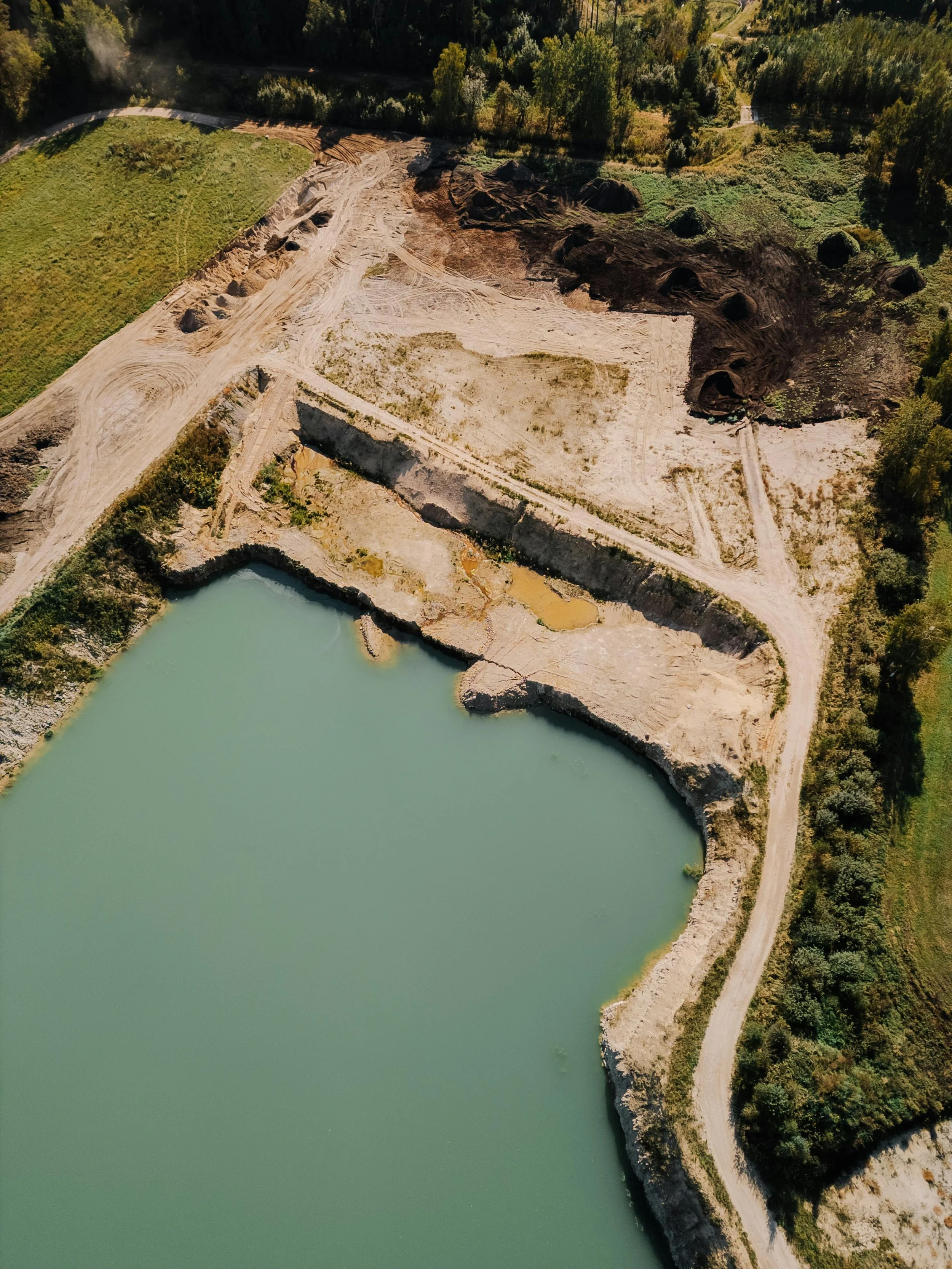
Ei works alongside developers, grading contractors, utility crews, and land clearing teams to help keep construction sites inspection-ready, compliant, and operational throughout every phase of development. We are stormwater specialists who understand that successful compliance is not just about paperwork or passing inspections. It is about protecting the site, maintaining project momentum, reducing risk, and making sure stormwater systems continue functioning as grading and construction evolve.
From the first phase of clearing to final stabilization, our role is to provide practical field support that helps contractors stay ahead of erosion issues before they become larger operational or regulatory problems.
Stormwater Compliance During Construction Requires More Than Initial Installation
One of the most common misconceptions in site development is that erosion and sediment control is complete once BMPs are installed. In reality, construction stormwater management is an ongoing process that changes alongside the project itself.
As disturbed areas expand, slopes are modified, utilities are installed, and drainage patterns shift, stormwater controls often need maintenance, reinforcement, or adjustment to remain effective. Heavy rainfall events can quickly overwhelm poorly maintained BMPs, while constant equipment traffic can compromise construction entrances, inlet protection, and perimeter controls over time.
Many projects begin with a strong stormwater plan, but without regular inspections and field oversight, even well-designed systems can start to fail as site conditions evolve. Small issues like undercut silt fence, sediment-filled check dams, unstable stockpiles, or damaged inlet protection can quickly escalate into larger compliance concerns if they are not addressed early.
Ei helps developers and contractors stay ahead of these issues through ongoing site support, inspections, reporting, and field verification that keeps stormwater management aligned with actual construction conditions rather than outdated assumptions from earlier project phases.
Boots-on-the-Ground Support for Active Job Sites
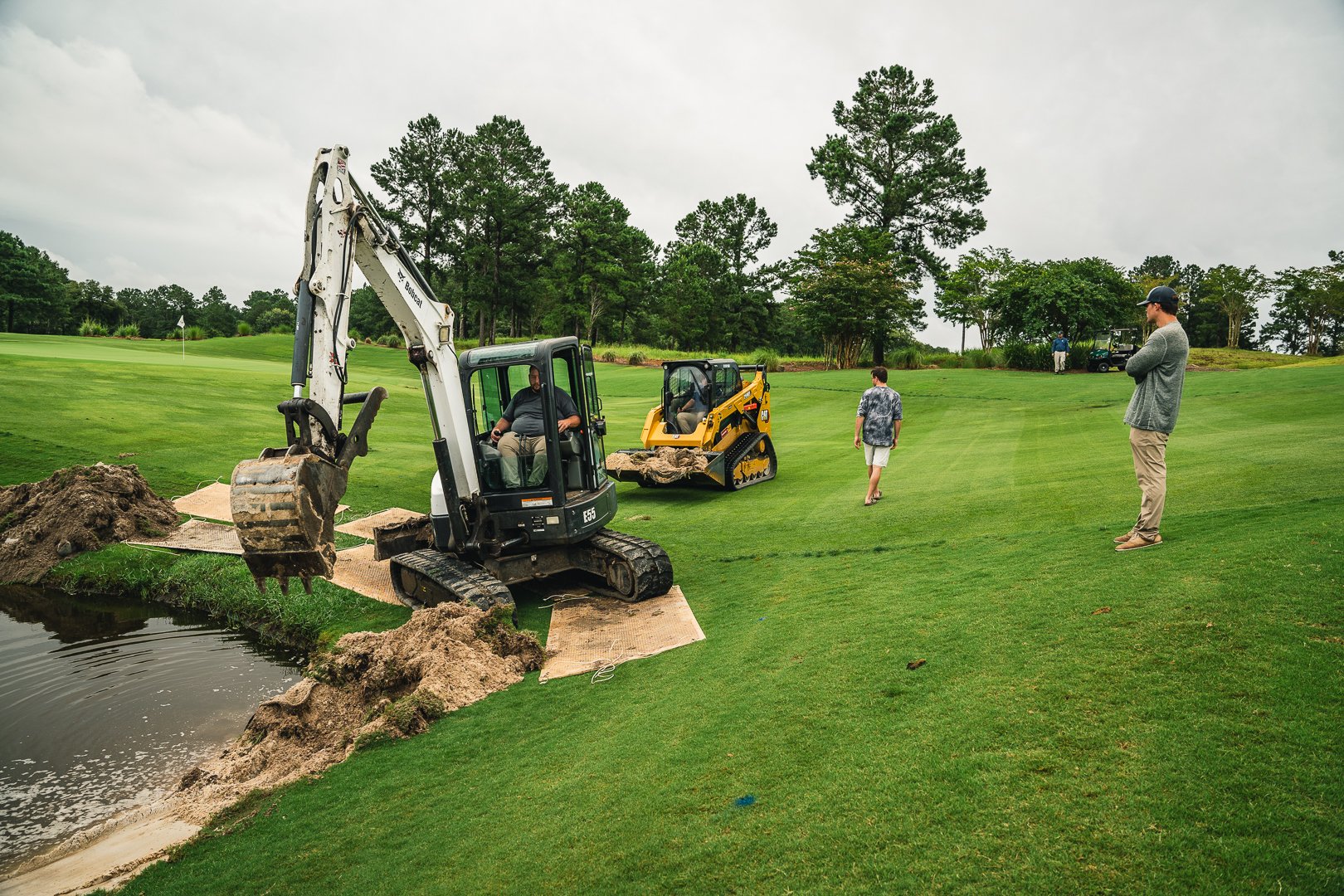
At Ei, we believe stormwater compliance should support construction operations, not slow them down. That is why our approach is heavily field-focused. We do not simply review paperwork remotely or perform surface-level inspections. Our team regularly walks active construction sites to identify potential concerns before they become inspection findings, project delays, or expensive corrective work.
Construction sites are constantly changing environments. Areas that were stable one week may become vulnerable after grading adjustments or heavy rain. Temporary BMPs may need to shift as drainage patterns evolve. Disturbed areas may expand beyond original assumptions. These changes require active monitoring from teams that understand how stormwater systems function in real-world construction conditions.
Our field visits are designed to provide practical oversight that aligns with active site operations. We work directly with superintendents, contractors, developers, and crews to help maintain effective erosion and sediment control throughout construction progression.
This includes evaluating the condition and functionality of silt fence systems, construction entrances, sediment basins, inlet protection, check dams, slope stabilization measures, and other BMPs installed throughout the project. Rather than simply identifying deficiencies, we help prioritize realistic corrective actions that fit within the realities of active construction schedules and field access limitations.
The goal is not just to remain compliant for inspections. The goal is to create a site that remains manageable, stable, and operational as work progresses.
Inspections That Help Prevent Larger Problems
Routine inspections are one of the most important tools for maintaining compliance during construction. However, inspections should provide more than a checklist. Effective stormwater inspections should identify trends, predict vulnerabilities, and help project teams address issues proactively.
Ei performs scheduled erosion and sediment control inspections designed around active field conditions. We evaluate how BMPs are functioning under current site conditions, how runoff is moving throughout the property, and where future vulnerabilities may develop as construction advances.
For example, a silt fence system that was effective during initial clearing may begin failing once grading changes runoff velocity or disturbed acreage increases. A construction entrance may begin tracking sediment onto adjacent roads after extended periods of heavy truck traffic. Inlet protection may become ineffective if sediment accumulation is not removed consistently.
These are the types of evolving field conditions that often lead to violations if sites are not monitored regularly.
Our inspections help contractors and developers stay ahead of these issues by identifying maintenance needs early and documenting ongoing compliance efforts clearly. We also pay close attention to weather conditions and forecasted rain events that may increase erosion risk. Preparing vulnerable areas before major storms often prevents emergency stabilization work later.
This type of proactive stormwater management can significantly reduce operational disruptions, improve inspection outcomes, and help projects maintain better overall site conditions throughout development.
Stormwater Compliance Reporting and Documentation Support
For many contractors and developers, stormwater paperwork becomes one of the most time-consuming parts of compliance management. Between SWPPP requirements, inspection records, maintenance documentation, rainfall event tracking, and agency reporting, it can quickly become difficult to keep everything organized while simultaneously managing active construction schedules.
Ei helps simplify this process by providing organized, accurate, and field-driven compliance reporting.
Our reporting is built around actual site conditions and ongoing project activity. Rather than generating generic inspection templates, we create documentation that reflects real observations, maintenance needs, corrective actions, and BMP performance across the active construction site.
This includes stormwater compliance reports designed to support SWPPP requirements, municipal inspections, and MS4 compliance expectations. Clear documentation not only helps maintain regulatory alignment, but also demonstrates that stormwater systems are being actively monitored and managed throughout construction.
Proper documentation becomes especially important when projects encounter heavy rainfall, changing field conditions, or agency inspections. Organized inspection records, maintenance logs, and photographic documentation help show that the site is being managed proactively and consistently.
Ei also helps bridge communication between field operations and compliance reporting. Construction teams are often focused on production schedules and site logistics, while inspectors and agencies focus on documentation and BMP performance. Our role is to help keep those two sides aligned so stormwater compliance remains integrated into the overall project workflow rather than becoming a disconnected administrative task.
Site Plan Review and Field Verification Services
Stormwater plans are essential for successful site development, but plans alone do not guarantee field performance. Site conditions frequently change during construction due to grading adjustments, utility conflicts, soil conditions, weather impacts, and sequencing modifications. What works well on paper may require field adjustments once construction begins.
Ei provides plan review and field verification support that helps developers and contractors identify potential concerns before they lead to delays or expensive rework later in the project.
Our team reviews stormwater plans from a practical implementation perspective. We evaluate how BMPs will function within actual construction operations, how drainage patterns may evolve throughout grading progression, and whether stormwater systems will remain maintainable throughout the life of the project.
This process often helps identify areas where additional stabilization, modified BMP placement, or phased stormwater strategies may improve long-term performance and compliance reliability.
As projects approach completion, field verification also becomes increasingly important. Permanent stormwater systems, conveyance structures, stabilization measures, and drainage features all need to function properly before turnover. Identifying issues during active construction is far more manageable than discovering them after closeout inspections or post-development drainage problems begin appearing.
Ei helps verify that installed stormwater features align with approved plans while also evaluating how systems are performing under actual field conditions. This additional layer of oversight can help reduce rework, improve long-term functionality, and support smoother project closeout processes.
Sustainable Stormwater Guidance for Long-Term Site Performance
Modern development projects are increasingly expected to do more than simply manage runoff during construction. Property owners, municipalities, HOAs, and commercial developers are placing greater emphasis on long-term drainage performance, maintenance efficiency, water quality protection, and overall site appearance.
Ei helps support these goals through sustainable stormwater guidance that focuses on practical long-term performance rather than unnecessary complexity.
Depending on the project, this may include recommendations for Low Impact Development (LID) strategies such as bioswales, infiltration areas, vegetated conveyance systems, or enhanced stabilization approaches that improve runoff management while supporting long-term maintenance efficiency.
The focus is always on creating stormwater systems that remain functional, maintainable, and visually integrated into the property well after construction is complete.
Long-term stormwater performance matters because poorly functioning drainage systems often lead to recurring erosion issues, sediment buildup, standing water, failing vegetation, and expensive maintenance concerns years after development turnover. A stormwater system should not only meet minimum permit requirements during construction. It should continue supporting the property effectively over time.
Ei evaluates stormwater infrastructure from a system-based perspective that considers runoff flow paths, maintenance accessibility, stabilization durability, and long-term drainage reliability. This helps developers create projects that perform better operationally while also protecting property appearance and reducing future maintenance burdens.
Supporting Developers From Clearing to Final Stabilization
Every stage of development presents different stormwater challenges. Initial clearing creates exposed soils vulnerable to erosion. Grading phases alter runoff patterns rapidly. Utility installation can disturb stabilized areas. Final stabilization requires careful coordination to ensure vegetation establishment and long-term slope protection.
Ei supports projects throughout this entire process.
Our role is to help developers and contractors maintain control of stormwater management as the site evolves, ensuring that erosion and sediment control remains effective from the first phase of disturbance through final turnover.
Because we work directly within active construction environments, we understand the operational pressures contractors face daily. Schedules shift, weather interrupts progress, and field conditions rarely remain static. Stormwater management strategies need to adapt alongside those realities.
That is why Ei focuses on practical solutions, proactive communication, and field-based oversight that helps projects stay organized and inspection-ready without creating unnecessary operational disruption.
Whether supporting residential developments, commercial construction, utility infrastructure, golf course projects, or municipal site work, our goal remains the same: helping construction teams manage stormwater effectively while keeping projects moving forward.
Ready to Keep Your Project Inspection-Ready?
Ecological Improvements helps developers, grading contractors, and land clearing crews maintain stormwater compliance through every phase of active construction. From erosion and sediment control inspections to SWPPP reporting, field verification, and long-term stormwater guidance, Ei provides practical support designed around real job site conditions.
If your project needs stormwater specialists who understand construction operations, evolving field conditions, and proactive compliance management, our team is ready to help.