Why Healthy Pond Systems Matter for Biodiversity
Stormwater ponds are often viewed as simple drainage features designed to collect runoff and reduce flooding. In reality, they are far more complex. A properly functioning stormwater pond is an engineered environmental system that influences water quality, downstream ecosystems, erosion control, habitat health, and long-term property performance.
Across the Southeast and throughout the United States, stormwater ponds support a wide range of wildlife species while simultaneously serving critical infrastructure purposes for HOAs, municipalities, golf courses, commercial properties, and developers. These systems manage sediment, slow runoff velocity, filter pollutants, and help protect surrounding waterways from degradation.
At the same time, stormwater ponds create habitat corridors for birds, amphibians, reptiles, fish, insects, and beneficial microorganisms. When managed correctly, they can improve biodiversity, stabilize shorelines, reduce nuisance pest populations, and contribute to healthier landscapes overall.
However, poorly maintained ponds can quickly become ecological liabilities. Sediment accumulation, invasive vegetation, erosion, nutrient overload, poor circulation, and structural deterioration can disrupt both stormwater performance and ecosystem balance. Over time, neglected ponds may contribute to flooding, algae growth, declining water quality, mosquito issues, and habitat loss.
Understanding how stormwater pond ecosystems function helps property owners and managers make more informed maintenance decisions that support both compliance and environmental health.
At Ecological Improvements (Ei), we approach stormwater ponds as integrated systems where infrastructure performance, environmental stewardship, and long-term maintenance planning all work together.
Understanding the Ecological Role of Stormwater Ponds
Stormwater ponds are engineered to manage runoff generated from impervious surfaces such as roads, parking lots, rooftops, sidewalks, and developed landscapes. Their primary purpose is to capture stormwater, reduce peak discharge rates, allow sediment to settle, and improve water quality before runoff enters downstream creeks, rivers, wetlands, and estuaries.
Although these systems are man-made, many stormwater ponds gradually evolve into functioning ecological environments over time.
As water levels fluctuate and vegetation establishes itself along pond edges, a variety of species begin to occupy the area. Aquatic plants provide cover and oxygenation. Insects colonize shallow zones. Amphibians breed along vegetated margins. Fish populations establish food chains. Birds use ponds as feeding and nesting locations. Microbial organisms within sediments and plant root systems begin breaking down pollutants and excess nutrients.
This ecological development is not accidental. Stormwater ponds naturally create conditions that support life because they provide one of the most important environmental resources: water availability.
In rapidly developing regions, stormwater ponds often become some of the few remaining semi-natural habitats available for wildlife. This is especially true in suburban developments, golf course communities, municipal corridors, and commercial properties where native landscapes have been replaced by development.
However, not all stormwater ponds function equally well from an ecological standpoint.
A healthy pond ecosystem depends on balance between:
Water quality
Vegetation management
Sediment levels
Shoreline stability
Hydraulic performance
Oxygen availability
Pollutant loading
Wildlife interactions
When one component begins to fail, the effects can spread throughout the system.
For example, excessive sediment accumulation reduces pond depth and storage capacity. Shallower water warms faster, which can lower dissolved oxygen levels and increase algae growth. Reduced oxygen affects fish and microbial health. Excessive algae may block sunlight needed for submerged vegetation. Shoreline erosion can introduce additional sediment and destabilize habitat zones.
This interconnectedness is why stormwater ponds should never be viewed as isolated basins. They are dynamic systems that require coordinated management.
Well-maintained stormwater ponds can provide several ecological and infrastructure benefits simultaneously, including:
Improved water filtration
Reduced downstream sediment transport
Habitat support for native species
Flood mitigation
Erosion reduction
Nutrient uptake
Pollutant trapping
Groundwater recharge support
Improved visual landscapes
Reduced mosquito breeding through ecological balance
Many communities underestimate the long-term value these systems provide when properly maintained.
Stormwater pond ecosystems also contribute to broader watershed health. Every pond exists within a larger drainage network. Conditions within one pond can influence downstream streams, marshes, estuaries, and coastal environments.
This is especially important throughout the Southeast where stormwater runoff can directly affect sensitive coastal ecosystems and estuarine environments.
By supporting healthy pond ecosystems, property owners are also helping protect larger environmental systems downstream.
Common Wildlife Found Around Stormwater Ponds
Stormwater ponds support an impressive diversity of wildlife species. Depending on pond design, water quality, surrounding vegetation, regional climate, and maintenance practices, these systems may provide habitat for dozens or even hundreds of species.
Many animals rely on stormwater ponds for feeding, breeding, shelter, or migration stopovers.
Understanding the types of wildlife commonly associated with stormwater ponds helps property managers better recognize the ecological importance of these systems and identify signs of environmental imbalance.
Birds Commonly Found Around Stormwater Ponds
Bird species are often the most visible wildlife associated with stormwater ponds.
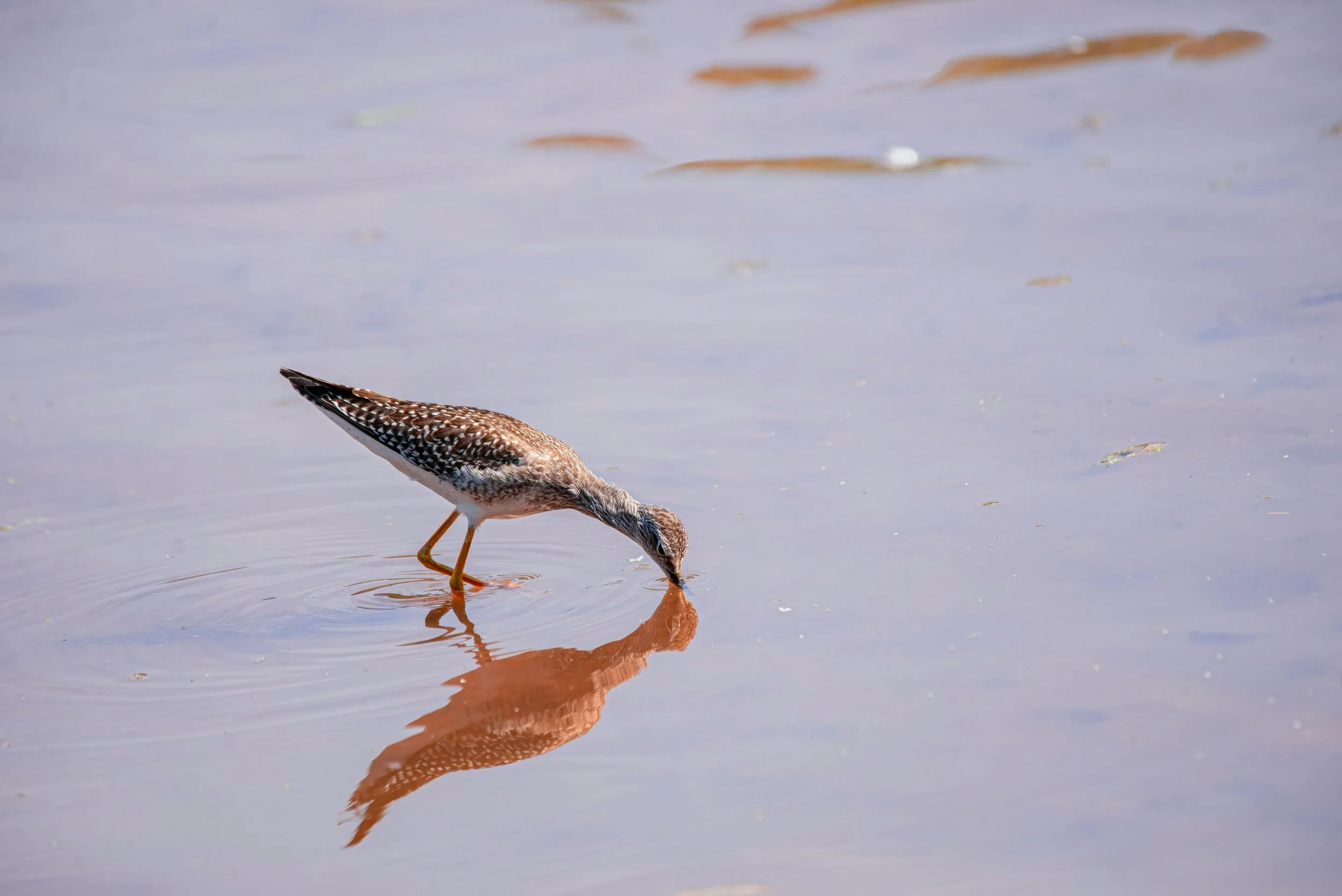
Large wading birds such as the Great Blue Heron and egrets frequently hunt along pond edges where shallow water supports fish, amphibians, and aquatic insects. These birds rely on healthy aquatic food chains and stable shoreline habitat.
Waterfowl species such as Wood Duck may use ponds for nesting, feeding, and seasonal migration. Vegetated shoreline areas and nearby tree cover improve habitat quality for these birds.
Smaller birds such as Red-winged Blackbird commonly nest within emergent vegetation around pond margins. Native grasses and wetland plants provide important cover and nesting structure.
Bird activity around ponds often serves as an indicator of ecological health. Diverse bird populations generally reflect stronger habitat conditions, food availability, and water quality.
Reptiles and Amphibians
Stormwater ponds also provide important habitat for reptiles and amphibians.
Turtles frequently inhabit ponds with stable shorelines and healthy aquatic vegetation. They contribute to ecosystem balance by scavenging organic material and interacting within aquatic food webs.
In portions of the Southeast, the American Alligator may occupy larger stormwater ponds connected to wetland systems or natural waterways. While alligator presence requires appropriate safety considerations, they are also indicators of functioning aquatic ecosystems.
Frogs and toads depend heavily on pond systems for breeding. Amphibians are especially sensitive to pollution and water quality changes, making them important ecological indicators.
Healthy amphibian populations often suggest that:
Oxygen levels are adequate
Chemical contamination is limited
Vegetation zones are functioning properly
Aquatic food webs remain stable
Declining amphibian populations may signal broader water quality problems within the pond system.
Fish Populations
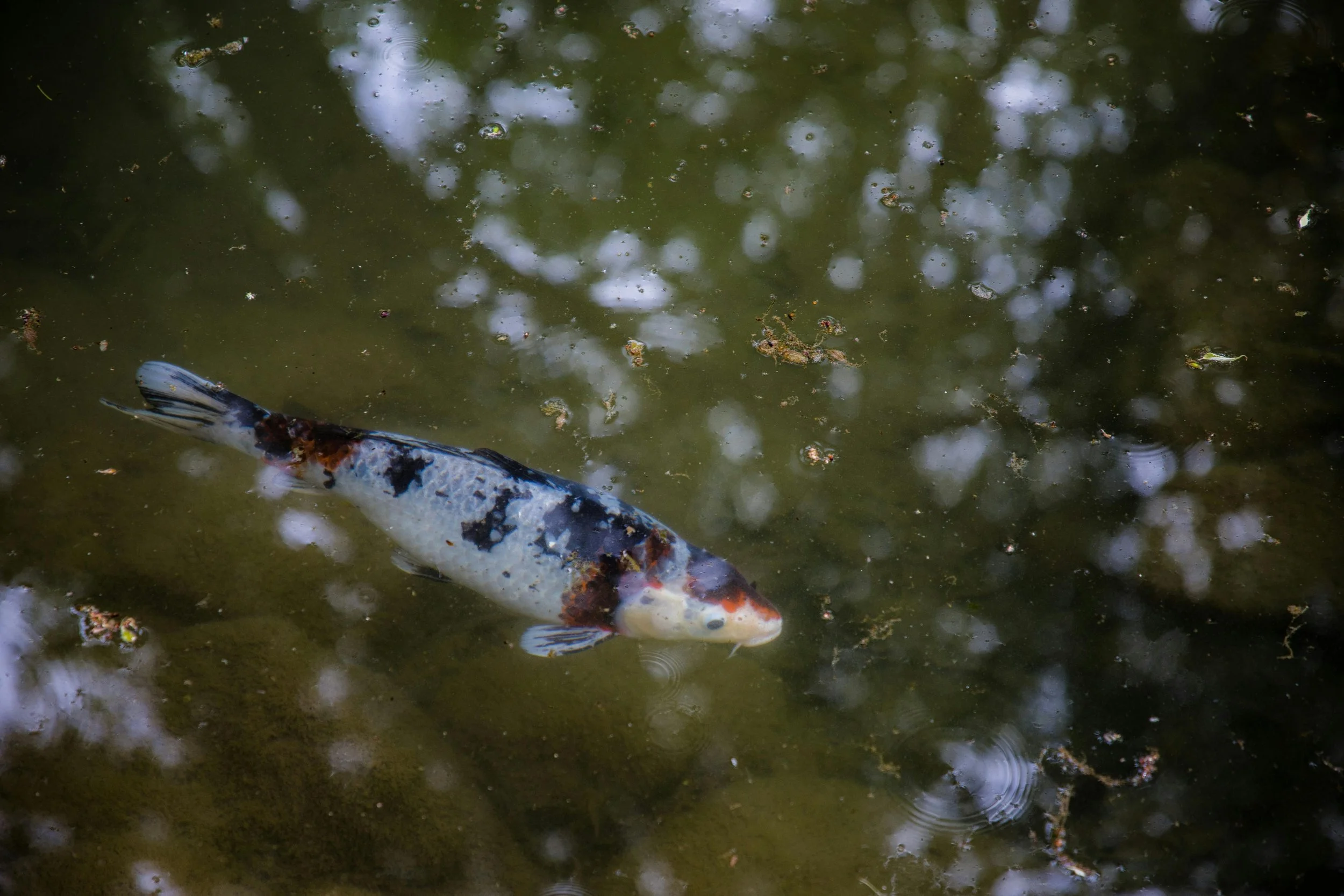
Fish play a major role in stormwater pond ecosystems.
Species such as Bluegill and Largemouth Bass are commonly found in larger ponds with stable oxygen levels and sufficient depth.
Fish populations help regulate insect larvae, support bird populations, and contribute to ecological balance.
One particularly beneficial species is the Mosquitofish. Mosquitofish consume mosquito larvae and help naturally reduce mosquito populations within properly functioning ponds.
This highlights an important concept often overlooked in stormwater management: ecological balance is one of the best forms of pest control.
Ponds with poor circulation, stagnant water, or ecological imbalance are more likely to experience nuisance mosquito problems because predator populations decline.
Invertebrates and Aquatic Insects
Aquatic insects and invertebrates form the foundation of stormwater pond food webs.
Dragonflies and damselflies are particularly beneficial species. Their larvae consume mosquito larvae and other small aquatic organisms, while adult dragonflies help control flying insect populations.
Snails, mussels, and other aquatic invertebrates contribute to nutrient cycling and organic matter breakdown.
Microorganisms living within pond sediments and plant root systems also play critical roles in:
Breaking down pollutants
Processing nutrients
Supporting oxygen cycling
Stabilizing sediments
Maintaining water clarity
Although invisible to most observers, microbial communities are among the most important components of stormwater pond ecosystems.
Without them, ponds lose much of their natural filtration capability.
How Native Vegetation Supports Stormwater Pond Health
Vegetation is one of the most important components of a healthy stormwater pond system.
Native aquatic and shoreline plants provide ecological, structural, and water quality benefits that directly affect both pond performance and habitat stability.
Unfortunately, vegetation management is also one of the most misunderstood aspects of stormwater maintenance.
Many property owners mistakenly assume that a “clean” pond should consist primarily of turf grass extending directly to the water’s edge. While this appearance may seem visually tidy, it often reduces ecological function and increases long-term maintenance problems.
Properly designed vegetative zones create transitional buffers between upland landscapes and aquatic environments.
These buffers help:
Slow runoff velocity
Trap sediment
Absorb nutrients
Stabilize shorelines
Reduce erosion
Improve infiltration
Filter pollutants
Support habitat diversity
Deep-rooted native vegetation is especially important because root systems reinforce soil structure and reduce shoreline failure.
In contrast, shallow-rooted turf grass often provides limited erosion resistance along pond banks.
Native vegetation also improves water quality by absorbing excess nitrogen and phosphorus before these nutrients enter the pond. Excess nutrients are a major driver of algae blooms and poor water clarity.
Vegetative buffers can significantly reduce nutrient loading from:
Fertilizer runoff
Landscape maintenance
Pet waste
Roadway runoff
Organic debris
Additionally, vegetation provides shade and temperature regulation. Cooler water temperatures help maintain healthier oxygen levels for fish and aquatic organisms.
Different plant zones serve different functions within the pond ecosystem.
Emergent Vegetation
Emergent plants grow in shallow water near pond edges.
Examples may include:
Pickerelweed
Soft rush
Arrowhead
Native sedges
These plants stabilize shorelines while creating habitat for amphibians, insects, and nesting birds.
Submerged Aquatic Vegetation
Submerged plants grow beneath the water surface and contribute to oxygenation and nutrient uptake.
These plants also provide shelter for fish and aquatic organisms.
Riparian Buffers
Riparian buffers consist of vegetation surrounding pond edges and adjacent drainage corridors.
These areas slow stormwater flow before it enters the pond and help filter sediment and pollutants.
Maintaining vegetative diversity is important because monocultures are more vulnerable to disease, invasive species, and environmental stress.
However, vegetation management must remain balanced.
Excessive vegetation growth can interfere with hydraulic performance, obstruct outlet structures, reduce visibility for inspections, and contribute to organic sediment buildup if left unmanaged.
This is why stormwater pond maintenance should focus on selective, system-based vegetation management rather than indiscriminate clearing.
At Ecological Improvements, vegetation management strategies are designed to support both ecological health and infrastructure performance.
The Connection Between Pond Maintenance and Ecosystem Stability
Stormwater pond maintenance directly affects ecological health.
When maintenance is delayed or inconsistent, ecological imbalance often follows.
One of the most common issues affecting stormwater ponds is sediment accumulation. Over time, runoff transports soil particles, organic debris, pollutants, and nutrients into the pond. These materials gradually settle and reduce pond depth.
As ponds become shallower, several problems can occur simultaneously:
Reduced storage capacity
Increased flood risk
Warmer water temperatures
Lower oxygen levels
Algae growth
Habitat degradation
Vegetation overgrowth
Mosquito breeding conditions
Sediment accumulation also changes hydraulic behavior within the pond. Water moves differently through shallow systems, which can reduce pollutant settling efficiency and increase downstream discharge rates.
Routine inspections help identify these problems before they become severe.
Shoreline Erosion Monitoring
Eroding shorelines introduce additional sediment into the pond while destabilizing habitat zones.
Common causes include:
Poor vegetation coverage
Wave action
Concentrated runoff
Improper slopes
Wildlife activity
Failing infrastructure
Stabilization efforts may involve grading corrections, native vegetation installation, erosion control materials, or structural reinforcement.
Sediment Removal
Periodic dredging or sediment removal restores pond capacity and improves ecological function.
Sediment management should be carefully planned to minimize habitat disruption while restoring hydraulic performance.
Invasive Species Management
Invasive vegetation can outcompete native species and reduce ecological diversity.
Some invasive plants also obstruct water flow, contribute to oxygen depletion, and accelerate sediment accumulation.
Integrated vegetation management plans help control invasive growth while preserving beneficial native habitat.
Water Quality Monitoring
Water quality assessments provide insight into nutrient levels, oxygen conditions, algae risk, and overall pond health.
Monitoring may include:
Dissolved oxygen testing
Nutrient analysis
Turbidity measurements
pH testing
Biological observations
These assessments help identify underlying problems before visible failures occur.
Structural Inspections
Stormwater ponds rely on functioning outlet structures, pipes, risers, forebays, and conveyance systems.
Structural deterioration can compromise both flood control and ecological performance.
Routine inspections help ensure all components continue functioning as intended.
A major misconception in stormwater management is that ecological health and infrastructure performance are separate goals.
In reality, they are deeply connected.
Healthy vegetation improves stabilization. Balanced ecosystems improve water quality. Proper water circulation reduces nuisance conditions. Stable shorelines reduce sediment loading.
The best-performing stormwater ponds are typically those managed with long-term system balance in mind.
Why Stormwater Pond Ecosystems Matter for HOAs, Municipalities, Golf Courses, and Commercial Properties
Stormwater ponds influence far more than drainage compliance.
For HOAs, municipalities, golf courses, developers, and commercial property owners, pond conditions directly affect aesthetics, liability, environmental compliance, operational costs, and public perception.
A neglected pond often becomes one of the most visible signs of deferred infrastructure maintenance.
Common issues such as algae blooms, shoreline erosion, sediment buildup, standing water, dead vegetation, or failing outlet structures can negatively impact property appearance and resident satisfaction.
At the same time, poorly functioning ponds may expose property owners to increasing regulatory concerns related to stormwater compliance and downstream impacts.
Healthy pond ecosystems help reduce these risks while providing broader community benefits.
HOA and Residential Community Benefits
For residential communities, stormwater ponds often serve as major visual landscape features.
Well-maintained ponds contribute to:
Improved curb appeal
Better resident experience
Enhanced property values
Reduced erosion concerns
Improved drainage reliability
Educational signage and environmentally conscious pond management can also help residents better understand the purpose of these systems.
Many communities benefit from stormwater compliance assessments that identify maintenance priorities before failures occur.
Municipal Stormwater Management
Municipalities manage large networks of interconnected stormwater infrastructure.
Healthy pond systems help reduce:
Downstream flooding
Sediment transport
Pollutant discharge
Infrastructure strain
Long-term maintenance costs
Municipal stormwater programs increasingly focus on integrated watershed management rather than isolated infrastructure repairs.
Stormwater ponds play a central role in these broader watershed strategies.
Golf Course Water Management
Golf courses frequently rely on interconnected ponds for drainage, irrigation storage, and aesthetic value.
Water quality issues within one pond can affect surrounding turf conditions, irrigation systems, and downstream waterways.
Balanced vegetation management and erosion control are especially important in golf course environments where both appearance and performance matter.
Commercial Property Considerations
Commercial properties often face strict stormwater compliance requirements tied to permitting and runoff management.
Poor pond conditions can contribute to:
Compliance concerns
Drainage failures
Sediment discharge
Landscape instability
Increased maintenance costs
Integrated stormwater management strategies help commercial property owners maintain reliable system performance while supporting environmental stewardship goals.
Many organizations are also prioritizing sustainability initiatives that include water quality improvements and habitat support.
Properly maintained stormwater ponds align well with these objectives.
Long-Term Ecological Management Strategies for Stormwater Ponds
Sustainable stormwater pond management requires long-term planning rather than reactive maintenance.
Too often, pond maintenance only occurs after visible problems emerge. By that point, sediment buildup, erosion, vegetation imbalance, or structural deterioration may already be extensive.
Proactive ecological management focuses on preserving system function before failures occur.
This approach typically includes:
Routine inspections
Scheduled maintenance
Vegetation management planning
Sediment monitoring
Water quality assessments
Erosion stabilization
Infrastructure evaluations
Watershed-level thinking
Long-term management also requires understanding how surrounding land use affects pond performance.
Changes in nearby development, landscaping, traffic patterns, grading, or drainage can significantly increase runoff and pollutant loading into ponds.
Stormwater ponds should be evaluated as part of larger drainage systems rather than isolated assets.
Climate variability also plays an increasing role in stormwater management planning.
More intense rainfall events can increase:
Sediment transport
Bank erosion
Hydraulic stress
Flood risk
Pollutant loading
Ecologically resilient ponds are generally better equipped to adapt to changing environmental conditions.
Deep-rooted vegetation, stable shorelines, functional forebays, and healthy aquatic systems all improve long-term resilience.
Education is another important component of long-term pond success.
Property managers, residents, maintenance crews, and decision-makers often benefit from understanding:
Why vegetative buffers matter
How erosion begins
What causes algae blooms
Why sediment accumulates
How pond ecosystems support water quality
The more stakeholders understand these systems, the easier it becomes to implement sustainable management strategies.
At Ecological Improvements, our approach combines ecological awareness with practical stormwater infrastructure management. We help clients evaluate pond conditions, identify system vulnerabilities, prioritize maintenance strategies, and improve long-term functionality.
Healthy stormwater ponds are not accidental. They are the result of thoughtful planning, consistent maintenance, and system-based environmental management.
Partner With Ecological Improvements for Stormwater Pond Assessments and Ecological Management
Stormwater ponds are some of the most important and overlooked environmental infrastructure systems within modern developments.
When functioning properly, they reduce flooding, improve water quality, stabilize landscapes, support biodiversity, and protect downstream ecosystems. When neglected, they can quickly become sources of erosion, compliance concerns, declining water quality, and costly repairs.
A healthy pond is not simply a body of water. It is a connected ecological and hydraulic system that requires ongoing attention and informed management.
At Ecological Improvements, we specialize in helping HOAs, municipalities, golf courses, developers, and commercial properties evaluate, restore, and maintain stormwater pond systems with long-term performance in mind.
Our services include:
Stormwater compliance assessments
Pond inspections
Erosion control solutions
Sediment management planning
Vegetation management
Shoreline stabilization
Stormwater system evaluations
Maintenance coordination
Our goal is to help clients protect both infrastructure performance and environmental health through practical, system-based solutions.
If your stormwater pond system is showing signs of erosion, sediment buildup, vegetation imbalance, drainage issues, or declining water quality, our team can help assess conditions and recommend next steps.
Contact Ecological Improvements today at 843-259-2287 to schedule a complimentary consultation and learn more about improving the health and functionality of your stormwater pond systems.