Turf Establishment for Soil Stabilization in South Carolina
In South Carolina, establishing healthy turf is one of the most effective ways to stabilize disturbed soil, reduce erosion, and support long-term stormwater performance. Whether on active construction sites, commercial developments, utility corridors, municipal projects, golf courses, or residential communities, vegetation plays a critical role in protecting exposed soils from rainfall impact and runoff movement.
However, successful turf establishment in South Carolina requires more than simply spreading seed and hoping for growth. The state’s climate presents unique challenges that can quickly affect stabilization efforts if the wrong grass species, planting methods, or timing are used. High summer temperatures, intense rainfall events, sandy coastal soils, compacted clay conditions, and prolonged dry periods all influence how quickly turf establishes and how effectively it protects a site from erosion.
At Ecological Improvements (Ei), we help property owners, developers, contractors, and municipalities establish durable turf systems that support both environmental performance and long-term site stability. As stormwater specialists, our approach focuses on practical stabilization strategies designed specifically for South Carolina’s climate, soil conditions, and regulatory requirements.
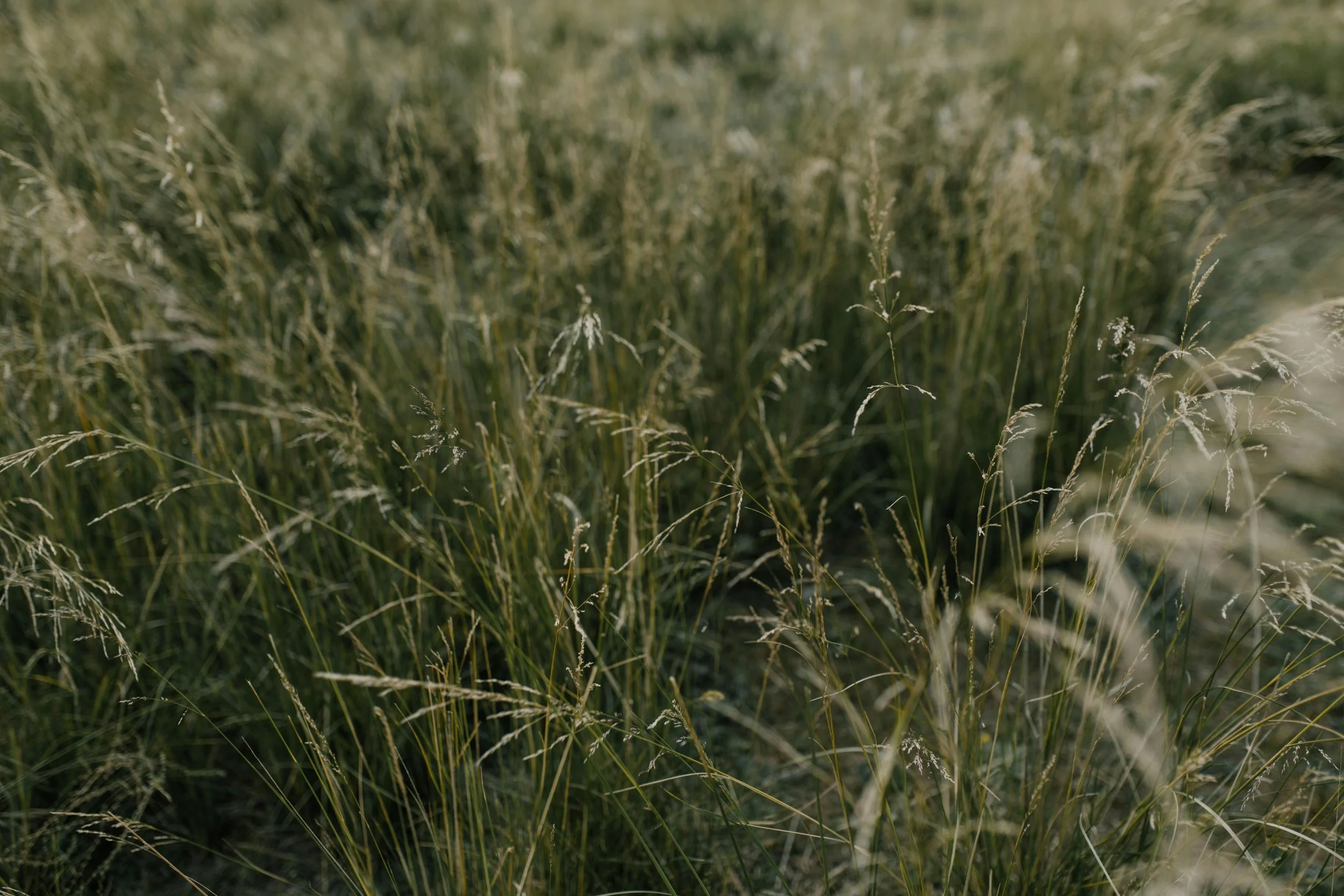
Strong turf establishment is not just about creating a greener site appearance. It is a foundational part of erosion prevention, stormwater management, sediment reduction, and long-term landscape resilience.
Why Turf Establishment Matters for Soil Stabilization
One of the primary goals of site stabilization is reducing the amount of exposed soil vulnerable to erosion. Bare soil is highly susceptible to runoff during rain events, especially on disturbed construction sites where grading activities have removed natural vegetation and altered drainage patterns.
Without adequate stabilization, rainfall can dislodge soil particles and transport sediment into nearby storm drains, ponds, wetlands, streams, and surrounding properties. This creates both environmental concerns and compliance risks, particularly on projects regulated under stormwater permitting requirements.
Healthy turf acts as a protective system that helps stabilize the soil surface while improving overall site performance. As grasses establish root systems, they help anchor soil in place, reduce runoff velocity, improve infiltration, and minimize sediment movement during storm events.
In South Carolina, this becomes especially important because of the intensity of seasonal rainfall. Sudden thunderstorms and tropical weather systems can generate significant runoff in a short amount of time. Sites that lack proper vegetation establishment are far more vulnerable to washouts, slope erosion, sediment tracking, and drainage failures.
Well-established turf also contributes to long-term property functionality beyond the construction phase. Stable vegetated areas help support stormwater conveyance systems, reduce maintenance demands, improve site appearance, and create more resilient landscapes capable of handling changing weather conditions over time.
For many projects, stabilization is also directly tied to regulatory compliance. Municipalities and state agencies often require disturbed areas to be stabilized within specific timeframes to reduce sediment discharge and maintain compliance with erosion and sediment control standards. Delays in vegetation establishment can increase the likelihood of failed inspections, corrective actions, and ongoing maintenance costs.
This is why proper turf selection and establishment methods matter so much in South Carolina’s environment.
Choosing the Right Grass Species for South Carolina Conditions
Not all turf grasses perform equally in South Carolina. Soil type, sun exposure, rainfall patterns, slope conditions, irrigation availability, and long-term maintenance expectations all influence which species will establish most successfully on a site.
Selecting the right grass is one of the most important decisions in any stabilization plan because it directly affects germination speed, root development, erosion resistance, drought tolerance, and long-term site durability.
At Ei, we evaluate stabilization projects from a site-specific perspective rather than applying a one-size-fits-all approach.
Bermudagrass for Aggressive Stabilization
Bermudagrass remains one of the most widely used stabilization grasses in South Carolina because of its rapid establishment and aggressive growth characteristics. It performs especially well in full-sun environments and warm temperatures, making it highly effective for exposed construction sites, utility corridors, roadway projects, and large disturbed areas.
One of Bermudagrass’s greatest advantages is its extensive root development. Deep root systems help stabilize loose soils while improving resilience during heavy rainfall events. Once established, Bermudagrass spreads quickly and forms dense ground coverage that helps minimize exposed soil areas vulnerable to erosion.
Because South Carolina experiences long warm seasons, Bermudagrass often establishes rapidly when planted during optimal growing windows. This speed can be critical on projects where stabilization timelines directly affect compliance requirements or ongoing construction progression.
Centipedegrass for Low-Maintenance Areas
Centipedegrass is often a strong option for sites where lower maintenance requirements are important. It performs well in many of South Carolina’s naturally acidic soils and can tolerate partial shade better than some other warm-season grasses.
This species is commonly used in residential developments, HOA properties, and low-traffic areas where long-term maintenance efficiency is a priority. While Centipedegrass establishes more slowly than Bermudagrass, it can provide durable coverage with reduced fertilizer and mowing demands once mature.
For sites transitioning from active construction into permanent stabilization phases, Centipedegrass can offer a practical balance between appearance, functionality, and maintenance management.
Zoysiagrass for Dense, Durable Coverage
Zoysiagrass is known for creating thick, dense turf coverage that provides strong erosion resistance once fully established. Its dense growth habit helps reduce soil exposure while improving resilience during periods of drought and heat stress.
This makes Zoysiagrass particularly valuable for areas exposed to South Carolina’s hottest summer conditions. Its drought tolerance can also help reduce irrigation demands over time, especially on commercial or large-scale landscape properties.
Because Zoysiagrass develops a tightly woven turf structure, it can help improve long-term slope stabilization and site durability in areas where runoff pressure is a concern.
Annual Ryegrass for Temporary Stabilization
Annual Ryegrass is frequently used as a temporary stabilization solution during cooler seasons or while permanent warm-season grasses are establishing. Its rapid germination speed makes it useful for quickly covering disturbed areas vulnerable to erosion.
While it is not intended as a permanent stabilization grass in South Carolina’s climate, it provides valuable short-term protection during transitional establishment periods. This can be especially beneficial on active construction sites where immediate vegetation coverage is needed to reduce sediment movement before permanent stabilization becomes fully established.
Temporary stabilization strategies often play an important role in maintaining compliance during active grading and phased development operations.
The Importance of Timing in Turf Establishment
Timing is one of the most overlooked factors in successful soil stabilization. Even high-quality seed and properly prepared soil can struggle if planting occurs outside ideal environmental windows.
South Carolina’s climate creates both opportunities and challenges for turf establishment depending on the season, rainfall patterns, and temperature conditions.
Warm-season grasses such as Bermudagrass and Zoysiagrass typically establish most successfully during late spring through summer when soil temperatures consistently support germination and active root growth. However, planting too late during periods of extreme heat or drought stress can reduce establishment success if irrigation and moisture management are insufficient.
Early fall can also provide favorable establishment conditions because temperatures become less extreme while soil warmth still supports root development. In many cases, this period allows grasses to establish more consistently before winter dormancy begins.
At Ei, stabilization timing recommendations are based on:
Current weather conditions
Soil moisture levels
Seasonal temperature trends
Site exposure
Irrigation access
Construction sequencing
Long-term stabilization goals
This site-specific approach helps improve establishment success while reducing the likelihood of failed germination or erosion-related setbacks.
Timing becomes especially important on projects operating under regulatory stabilization deadlines. Delayed vegetation establishment can create additional maintenance requirements, increased erosion vulnerability, and extended compliance exposure if disturbed areas remain unprotected for too long.
Techniques That Improve Root Establishment and Stabilization Success
Successful turf establishment involves much more than seed application alone. Soil preparation, moisture management, seed-to-soil contact, and erosion protection all influence how effectively vegetation establishes across a disturbed site.
At Ei, we focus on stabilization systems rather than isolated applications. Strong stabilization performance comes from combining the right grass species with the right field techniques.
Soil Testing and Preparation
Healthy turf begins with understanding existing soil conditions. Soil pH, nutrient levels, compaction, and organic matter content all affect germination and root development.
Many disturbed construction sites contain compacted or nutrient-deficient soils that can significantly slow vegetation establishment if not addressed properly. Soil testing allows stabilization plans to be adjusted based on actual site conditions rather than assumptions.
Correcting pH imbalances and nutrient deficiencies early often improves germination speed and long-term turf performance substantially.
Hydroseeding for Large or Sloped Areas
Hydroseeding remains one of the most effective stabilization methods for large disturbed areas and steep slopes common throughout South Carolina development projects.
The hydroseed slurry typically includes seed, mulch, fertilizer, tackifiers, and moisture-retention materials that help improve germination conditions while reducing erosion vulnerability during establishment.
This method allows for rapid and relatively uniform coverage across difficult terrain while helping protect newly seeded areas from rainfall impact and washout.
Hydroseeding is especially valuable on:
Utility corridors
Highway embankments
Large-scale developments
Pond slopes
Disturbed commercial sites
Steep grading transitions
Aeration and Overseeding
For smaller disturbed areas or compacted soils, aeration combined with overseeding can significantly improve root penetration and seed establishment.
Core aeration helps loosen compacted soils while improving water infiltration and oxygen availability within the root zone. This creates better conditions for seed-to-soil contact and root expansion.
On sites with existing vegetation thinning or struggling due to compaction, aeration can often improve stabilization performance without requiring full site reconstruction.
Moisture Management During Establishment
Proper watering is critical during the germination and root development phase. Inconsistent moisture often leads to patchy establishment, shallow rooting, or failed stabilization areas vulnerable to erosion.
South Carolina’s summer conditions can dry exposed soils quickly, especially on sandy or highly disturbed sites. Establishment plans must account for irrigation access, rainfall variability, and evaporation rates during the early growth period.
The goal is not simply rapid green-up. The goal is developing deep, durable root systems capable of supporting long-term stabilization and drought resilience.
Erosion Control Measures That Protect Newly Seeded Areas
One of the biggest risks during turf establishment is losing newly seeded soil to runoff before vegetation fully matures. This is especially common on steep slopes, drainage channels, and highly disturbed areas exposed to heavy rain.
Temporary erosion control measures help protect stabilization efforts during this vulnerable establishment period.
Depending on site conditions, Ei may recommend:
Erosion control blankets
Straw matting
Tackifiers
Mulch stabilization
Diversion controls
Temporary sediment barriers
Slope interruption measures
These systems help reduce runoff velocity, minimize seed displacement, retain moisture, and improve overall stabilization success during early growth phases.
Protecting newly established turf is just as important as planting it correctly in the first place.
Why Experience Matters in South Carolina Stabilization Projects
Successful turf establishment requires understanding how South Carolina’s climate, soils, and rainfall patterns affect stabilization performance throughout the year.
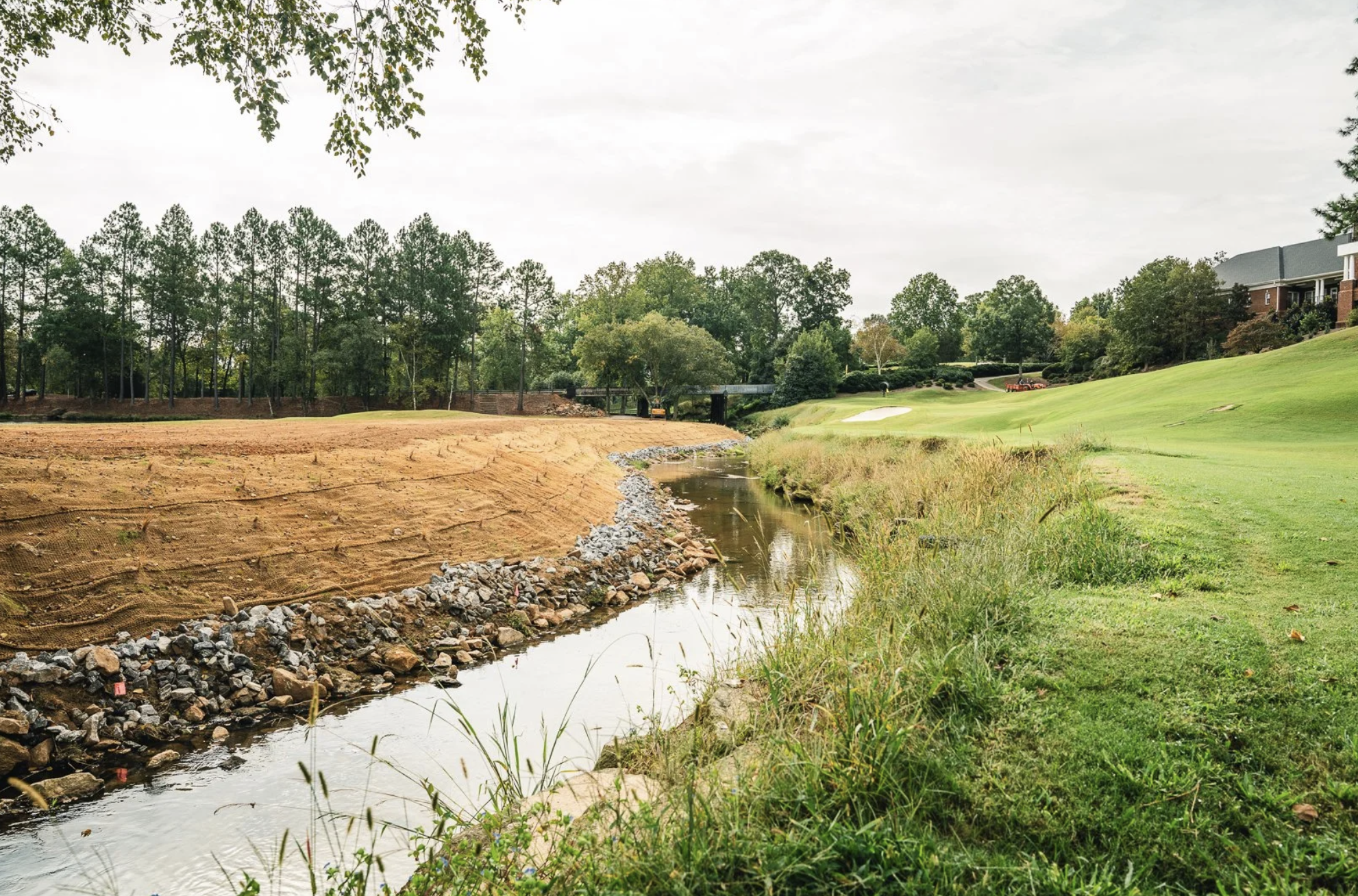
Knowing when to seed, how to prepare soils, which species to use, and how to protect newly disturbed areas can dramatically improve long-term stabilization success.
This expertise helps projects:
Improve vegetation establishment rates
Reduce erosion risks
Minimize stabilization failures
Improve inspection outcomes
Support long-term stormwater performance
Maintain regulatory compliance
Stabilization is not just about meeting minimum requirements. It is about creating durable, resilient landscapes capable of supporting long-term environmental and operational performance.
Partner With Ecological Improvements for Smarter Soil Stabilization
At Ecological Improvements, we provide practical stabilization solutions tailored to South Carolina’s climate, development conditions, and stormwater requirements. From hydroseeding and erosion control support to long-term turf establishment strategies, our team helps contractors, developers, municipalities, HOAs, and commercial properties create stronger, more resilient sites.
As stormwater specialists, we understand that successful stabilization supports far more than appearance alone. It protects water quality, reduces sediment movement, improves site durability, and helps projects remain compliant throughout development and beyond.
If you need guidance on soil stabilization, turf establishment, erosion control, or long-term stormwater management strategies, Ei is ready to help.
Contact Ecological Improvements to learn how we can support your next stabilization project across South Carolina.