What to Do When Your Stormwater Pond Has Exposed Roots
Stormwater ponds are designed to manage runoff, protect downstream waterways, reduce flooding, and support water quality objectives throughout a development. While most property owners focus on visible issues such as algae, sediment buildup, or standing water, one of the earliest indicators of shoreline instability often appears in a much more subtle form: exposed roots along the pond bank.
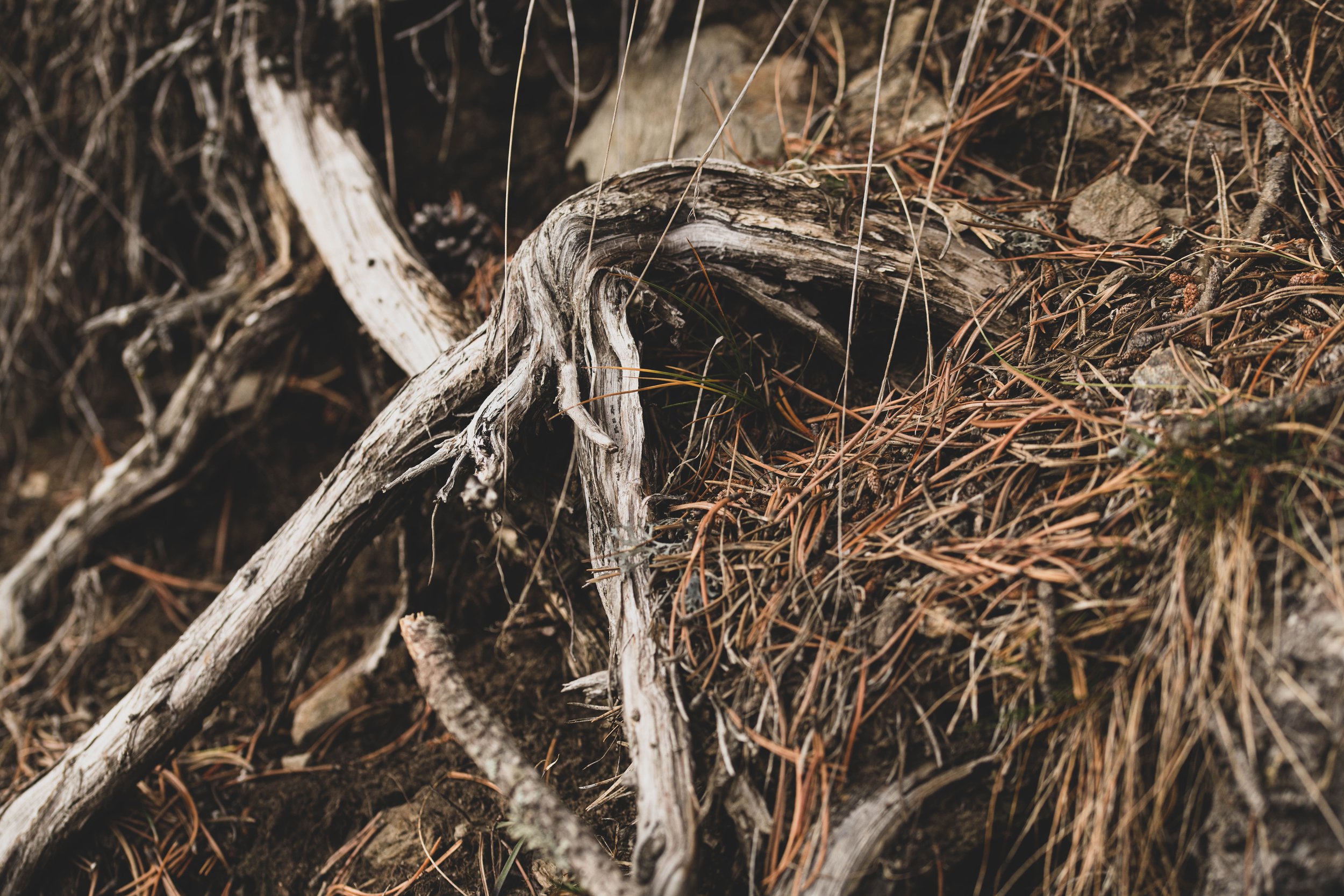
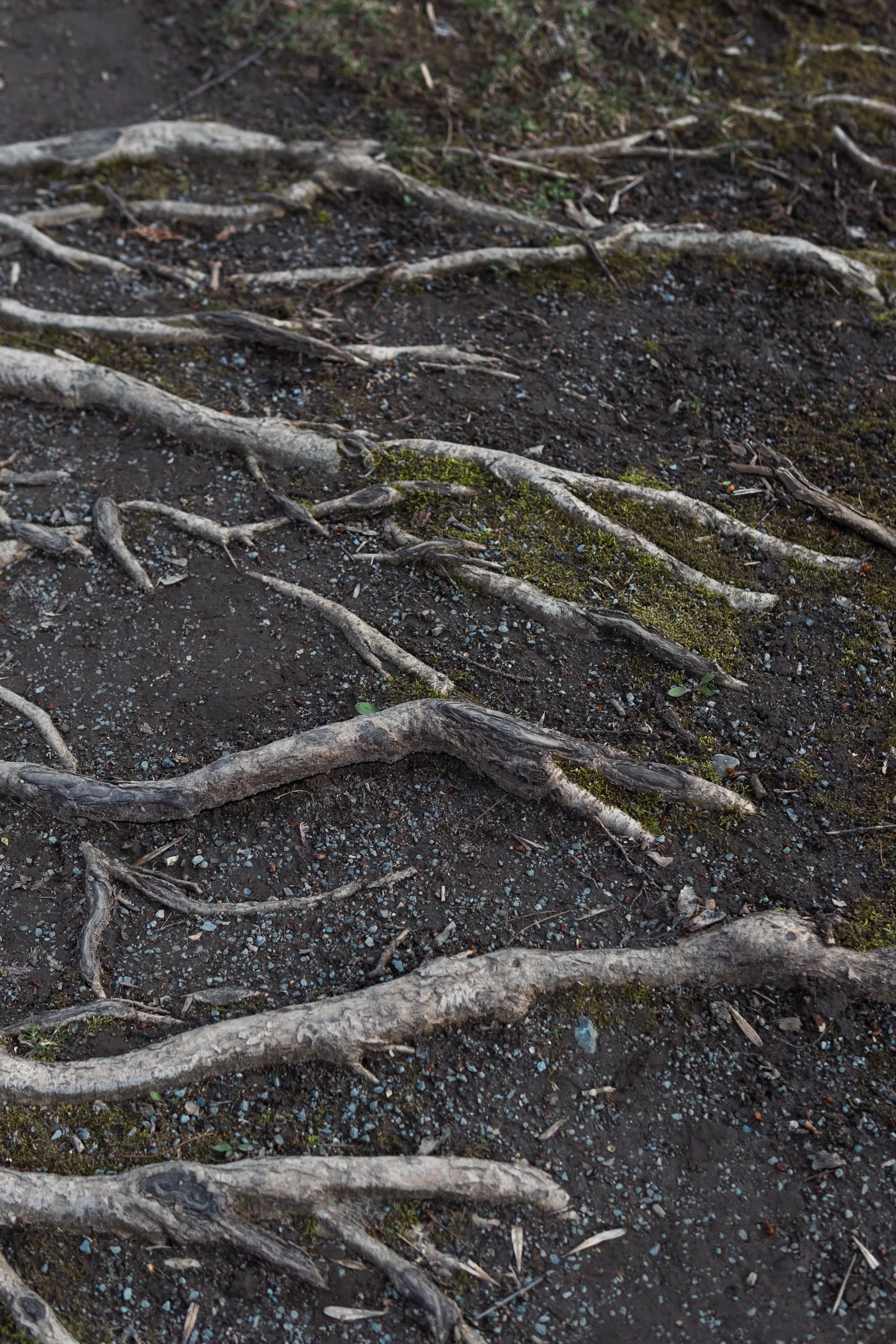
At first glance, exposed roots may seem like a cosmetic issue. Trees, shrubs, and shoreline vegetation naturally develop extensive root systems, and seeing portions of those roots above the soil surface may not immediately raise concern. However, in many stormwater ponds, exposed roots are often a sign that erosion is actively removing soil from the shoreline. As soil is washed away, root systems become increasingly visible, leaving vegetation vulnerable and signaling that the bank may be losing stability.
For HOAs, municipalities, golf courses, commercial properties, and developers, identifying the cause of exposed roots early can help prevent more extensive shoreline deterioration. In many cases, the issue is connected to changes in water movement, outfall blockages, stormwater flow patterns, or long-term erosion processes that can continue to worsen if left unaddressed.
At Ecological Improvements (Ei), we frequently evaluate stormwater ponds where exposed roots are the first visible warning sign of larger shoreline challenges. Understanding what causes this condition and knowing how to respond can help property owners protect their shoreline, preserve usable frontage, and avoid more extensive repairs in the future.
Why Exposed Roots Are a Warning Sign of Shoreline Erosion
Healthy shoreline vegetation plays a critical role in maintaining stormwater pond stability. Trees, native grasses, shrubs, and aquatic vegetation help anchor soil, reduce erosion, filter pollutants, and support ecological function throughout the pond system.
When soil begins disappearing from around those root systems, the roots become exposed. This typically occurs because erosion is removing the protective layer of soil that once surrounded them. Rather than being an isolated vegetation issue, exposed roots often indicate that shoreline materials are being transported elsewhere through wave action, runoff, concentrated flow, or fluctuating water levels.
Over time, the erosion process can accelerate. As more roots become exposed, vegetation may become stressed or weakened. Trees and shrubs that once stabilized the shoreline can lose their effectiveness, allowing additional soil loss to occur during rain events or periods of elevated water flow.
Property owners may notice several accompanying signs alongside exposed roots, including:
Shoreline Retreat
The pond bank gradually moves inland as soil is lost. This process reduces usable frontage and can alter the appearance and functionality of the pond over time.
Uneven Slopes
Areas experiencing erosion often develop irregular shoreline profiles. Sections of the bank may appear steeper, undercut, or unstable compared to surrounding areas.
Bare Soil Exposure
Vegetation may begin thinning or disappearing altogether as soil conditions deteriorate. Bare soil becomes increasingly susceptible to future erosion.
Declining Vegetation Health
Trees, grasses, and shoreline plants may show signs of stress, discoloration, thinning canopies, or reduced growth due to loss of soil support around root systems.
The presence of exposed roots does not necessarily mean a shoreline reconstruction project is immediately required. However, it does indicate that the underlying cause should be investigated before the condition worsens.
Start With a Stormwater Outfall Inspection
One of the most overlooked causes of shoreline erosion is a malfunctioning or obstructed outfall system.
The outfall serves as the location where water exits the stormwater pond and continues downstream through the broader drainage network. When the outfall is functioning properly, water levels remain within the intended operating range and hydraulic conditions remain relatively stable.
When blockages develop, however, water movement throughout the pond can change significantly.
Before pursuing shoreline repairs, Ecological Improvements often recommends that property owners begin with a simple outfall inspection. This can help identify whether a drainage issue is contributing to erosion conditions.
Several common issues can impact outfall performance.
Sediment Accumulation
Over time, sediment transported through the watershed can collect around outfall structures. As sediment accumulates, water flow capacity may be reduced.
Woody Vegetation Growth
Trees, shrubs, and volunteer vegetation frequently establish around drainage structures. Root systems and plant growth can restrict water movement and interfere with proper discharge.
Debris Blockages
Leaves, branches, litter, and organic material can accumulate near outfall pipes and structures. These blockages may alter flow patterns and contribute to elevated water levels.
Structural Deterioration
Older stormwater systems may experience damage to pipes, concrete structures, or outlet components that affect hydraulic performance.
When water cannot exit the pond efficiently, elevated water levels may increase pressure along shorelines. In some situations, redirected flow patterns can create concentrated erosion zones that expose roots and destabilize banks.
A simple visual inspection of the outfall area can often provide valuable insight into whether a blockage or drainage issue is contributing to shoreline problems.
If property owners are uncertain about where outfalls are located or how to evaluate them safely, the Ei team can assist with system identification and inspection guidance.
How to Evaluate Shoreline Conditions Beyond the Outfall
While outfall inspections are an important first step, they represent only one component of a comprehensive shoreline assessment.
Stormwater ponds function as interconnected systems. Shoreline erosion can be influenced by multiple factors operating simultaneously, making it important to evaluate conditions throughout the pond.
A systematic shoreline walk can help identify additional warning signs.
Look for Active Erosion Areas
Examine shoreline sections where soil appears freshly exposed. These areas may indicate active erosion that continues during rainfall events.
Identify Concentrated Flow Paths
Runoff entering the pond from storm drains, swales, or surrounding slopes can create concentrated discharge points. These areas often experience accelerated erosion.
Observe Water Level Patterns
Unusual water level fluctuations may indicate drainage restrictions or hydraulic imbalances affecting shoreline stability.
Assess Vegetation Coverage
Healthy vegetation provides important erosion protection. Sparse vegetation, damaged root systems, or declining plant health can contribute to ongoing soil loss.
Monitor Shoreline Changes Over Time
Photographs taken periodically can help property owners identify gradual shoreline retreat that may not be immediately noticeable from day to day.
Many shoreline issues develop slowly over multiple years. By the time roots become heavily exposed, the underlying erosion process may have been occurring for an extended period.
Regular inspections allow property owners to identify problems earlier and implement corrective measures before larger stabilization projects become necessary.
When Shoreline Erosion Requires a Permanent Solution
Clearing an outfall blockage may resolve certain water management issues, but it does not automatically repair shoreline damage that has already occurred.
If exposed roots remain visible after drainage problems are addressed, additional stabilization measures may be necessary.
Permanent shoreline stabilization becomes increasingly important when property owners observe:
Continued soil loss after storms
Expanding areas of exposed roots
Repeated erosion in the same locations
Declining vegetation health
Loss of usable pond frontage
Increasing maintenance requirements
Sediment entering the pond from eroding banks
Traditional stabilization approaches often rely heavily on hard armoring techniques such as riprap or structural retaining systems. While these methods may be appropriate in some situations, they can also reduce ecological function and alter the natural appearance of the pond.
At Ecological Improvements, we often prioritize solutions that address erosion while maintaining ecological performance and shoreline aesthetics.
This approach supports both the engineering requirements and environmental objectives of stormwater infrastructure.
The goal is not simply to stop erosion temporarily. The goal is to restore long-term stability while allowing the pond to continue functioning as part of the broader watershed system.
How Ei's Bioengineered Shore Mesh Restores Stability and Frontage
One of the most effective long-term solutions for shoreline erosion is Ecological Improvements' bioengineered shore mesh system.
Unlike temporary erosion control measures, shore mesh is designed to stabilize vulnerable banks while supporting vegetation establishment and long-term ecological resilience.
The system works by reinforcing shoreline areas experiencing erosion while creating conditions that allow vegetation to become integrated into the stabilization process.
Shoreline Stabilization
The mesh system helps secure soil in place, reducing ongoing erosion and preventing additional root exposure.
Vegetation Integration
Native vegetation can establish through and around the system, creating a living shoreline that strengthens over time.
Property Frontage Recovery
In many projects, stabilization efforts can help recover portions of shoreline that have been gradually lost through erosion.
Improved Water Quality Protection
Stable shorelines reduce sediment transport into the pond, supporting overall stormwater treatment performance.
Long-Term Performance
Because the solution combines engineering principles with ecological restoration, it often provides greater long-term sustainability than temporary repairs.
For HOAs, municipalities, commercial properties, golf courses, and developers, this approach aligns with both operational objectives and environmental stewardship goals.
The result is a shoreline that remains functional, attractive, and resilient while supporting the broader purpose of the stormwater management system.
Why Early Action Protects Stormwater Assets
Stormwater ponds represent valuable infrastructure assets that require ongoing monitoring and maintenance. Exposed roots are often one of the earliest visual indicators that shoreline conditions are changing.
Addressing these warning signs early can significantly reduce future maintenance costs and prevent more extensive repairs. What begins as minor root exposure can eventually evolve into substantial shoreline retreat, vegetation loss, sedimentation, and reduced system performance.
Property owners who conduct routine inspections and respond proactively are generally better positioned to maintain healthy, stable pond systems.
At Ecological Improvements, we encourage property owners to think beyond the visible symptom and evaluate the entire stormwater system. Exposed roots rarely occur in isolation. They are often the result of broader hydraulic, erosion, or maintenance issues that require a system-based approach.
By identifying outfall problems, assessing shoreline conditions, and implementing appropriate stabilization measures when necessary, property owners can protect both their investment and the long-term health of the pond.
Schedule a Stormwater Pond Evaluation
If your stormwater pond has exposed roots, shoreline erosion, or signs of bank instability, Ecological Improvements can help determine the underlying cause and recommend the most effective solution.
Our team specializes in stormwater pond inspections, shoreline stabilization, erosion control, outfall assessments, and bioengineered restoration systems that protect property while improving long-term stormwater performance.
Contact Ecological Improvements today to schedule a consultation and learn how our bioengineered shore mesh solutions can restore shoreline stability, recover lost frontage, and support the long-term health of your stormwater pond.