What Does Ecological Improvements Offer Engineering Teams?
Engineering teams are under increasing pressure to deliver projects that are not only buildable and cost-effective, but also fully compliant with evolving stormwater regulations. From early-stage design through final closeout, stormwater performance is no longer a secondary consideration. It is a core component of project success, regulatory approval, and long-term site functionality.
Ecological Improvements (Ei) operates as a technical partner to engineering firms, supporting stormwater compliance, erosion control, and sustainable site development across every phase of a project lifecycle. Rather than approaching compliance as a checklist, Ei applies a system-based methodology that integrates regulatory alignment, field performance, and long-term maintenance considerations.
This page outlines how Ei supports engineering teams through plan review, as-built verification, field inspections, erosion and sediment control strategies, and sustainable stormwater consulting. Each service is designed to reduce project risk, streamline approvals, and improve overall site outcomes.
Why Engineering Teams Need a Dedicated Stormwater Compliance Partner
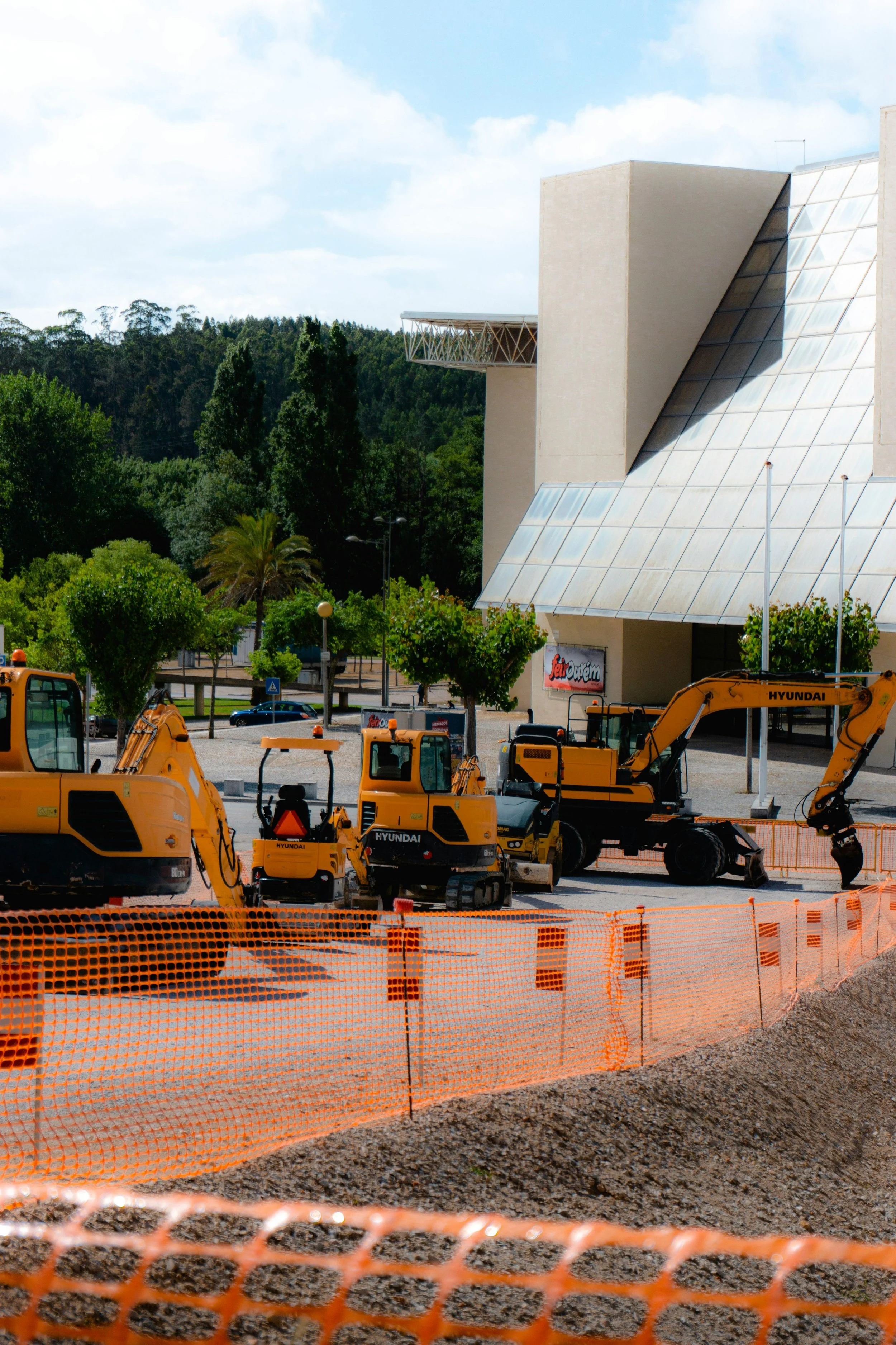
Stormwater compliance has become increasingly complex due to overlapping regulatory frameworks, site-specific environmental conditions, and heightened scrutiny from municipalities and state agencies. Engineers are expected to design systems that meet both immediate permitting requirements and long-term performance expectations.
In regions like South Carolina, these challenges are amplified by variable soil conditions, coastal floodplain dynamics, and strict adherence to NPDES and MS4 program requirements. Engineering teams often find themselves navigating:
Frequent design revisions due to regulatory feedback
Inconsistent interpretation of BMP standards across jurisdictions
Limited visibility into field conditions during construction
Increased liability tied to non-compliance or system failure
Pressure to deliver projects on tight timelines without sacrificing quality
A dedicated stormwater compliance partner addresses these challenges by providing an additional layer of technical review and field verification. Ei integrates directly into the engineering workflow, offering insight at key project milestones where compliance risks are highest.
Rather than reacting to issues during permitting or construction, Ei helps engineering teams anticipate and resolve potential problems early. This proactive approach reduces rework, accelerates approvals, and ensures that stormwater systems function as intended once installed.
From a system perspective, stormwater compliance is not a single task. It is a continuous process that begins with design assumptions and extends through construction and long-term maintenance. Ei’s role is to connect these phases into a cohesive framework that supports both regulatory compliance and engineering performance.
Stormwater Plan Review: Reducing Risk Before Permitting
Stormwater plan review is one of the most critical opportunities to reduce project risk. Once plans are submitted for permitting, revisions can introduce delays, increase costs, and disrupt project timelines. A third-party review provides an objective evaluation of design assumptions, regulatory alignment, and constructability before submission.
Ei’s stormwater plan review process focuses on identifying gaps between design intent and regulatory expectations. This includes alignment with NPDES requirements, local MS4 program standards, and established best management practices (BMPs).
Key areas of evaluation include:
Regulatory Alignment and Compliance Verification
Ei reviews stormwater management plans to ensure they meet applicable federal, state, and local requirements. This includes verifying that BMP selection, sizing, and placement align with regulatory criteria. Engineers benefit from early identification of potential compliance issues that could trigger comments or rejections during agency review.
Hydraulic and Functional Performance
Beyond compliance, Ei evaluates whether proposed systems are likely to perform as intended under real-world conditions. This includes assessing drainage patterns, flow conveyance, and potential failure points. The goal is to ensure that designs are not only compliant on paper but also functional in the field.
Constructability and Field Feasibility
Designs that are technically sound may still face challenges during construction. Ei reviews plans with a field-oriented perspective, identifying elements that may be difficult to implement or prone to error. This reduces the likelihood of deviations during construction that could compromise compliance.
Review Efficiency and Reduced Resubmittals
By addressing issues prior to submission, engineering teams can significantly reduce the number of review cycles required for approval. This translates to faster permitting timelines and more predictable project schedules.
Stormwater plan review is not about replacing the engineer’s role. It is about strengthening the design process with additional expertise focused specifically on compliance and field performance. This collaborative approach leads to more resilient designs and smoother interactions with regulatory agencies.
As-Built Plan Verification: Ensuring Systems Are Built to Perform
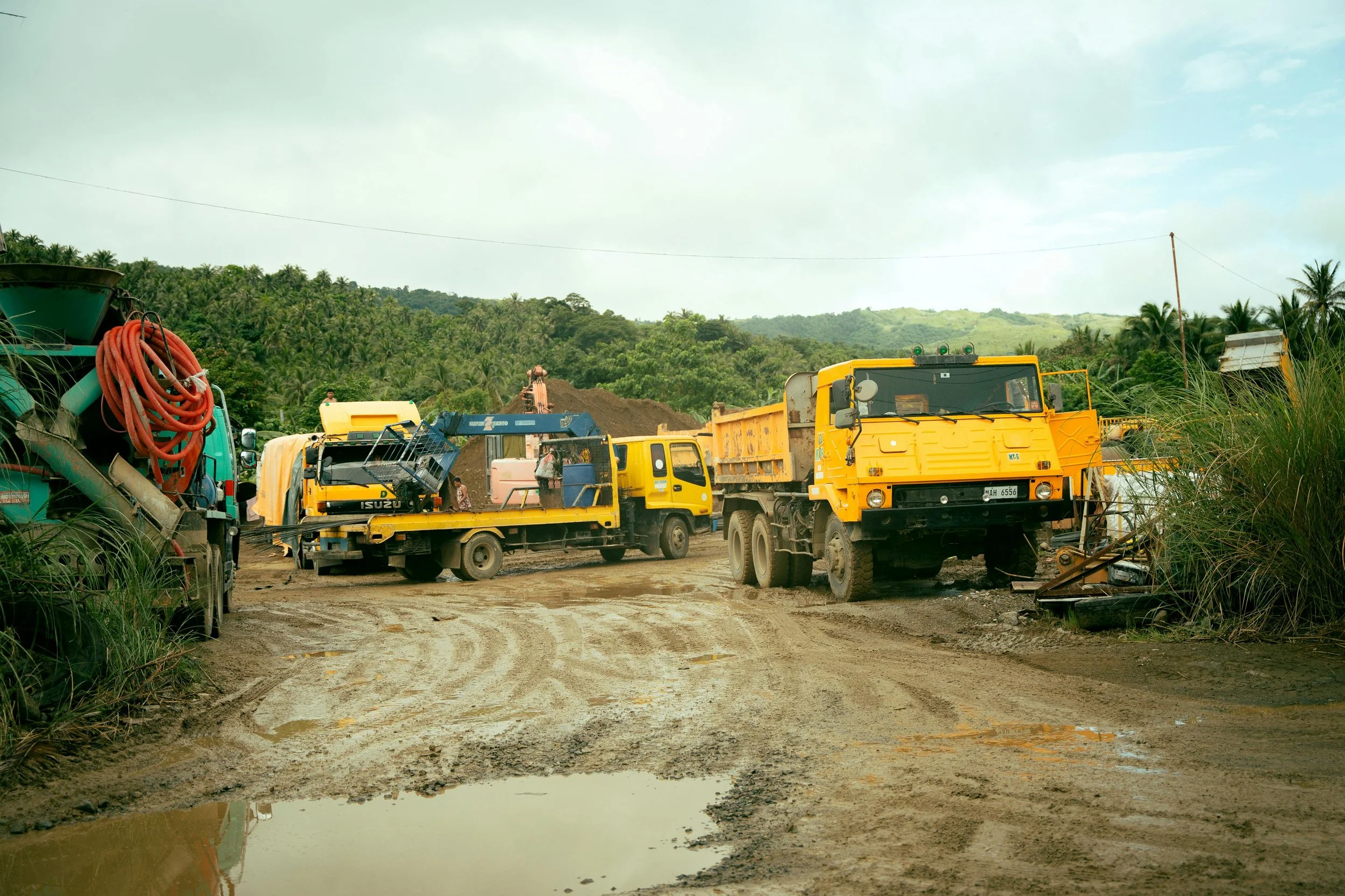
The transition from design to construction introduces a new set of risks. Even well-designed stormwater systems can fail if they are not constructed according to specifications. As-built plan verification serves as a critical checkpoint to confirm that installed systems match design intent and meet regulatory requirements.
Ei provides detailed as-built verification services that focus on both compliance and functionality. This process goes beyond simple documentation review and includes field validation of constructed elements.
Verification of BMP Installation
Ei evaluates whether stormwater BMPs have been installed in accordance with approved plans. This includes confirming dimensions, elevations, materials, and placement. Any deviations are documented and assessed for potential impact on system performance.
Functional Assessment of Drainage Systems
In addition to verifying physical construction, Ei assesses whether drainage systems are likely to function as intended. This includes evaluating flow paths, outlet structures, and potential areas of erosion or sediment accumulation.
Documentation for Final Approvals
Accurate and complete as-built documentation is essential for project closeout. Ei provides clear, organized reports that support final approvals from regulatory agencies. This reduces delays and helps engineering teams move projects toward completion with confidence.
Risk Mitigation for Long-Term Performance
As-built verification is not only about meeting immediate requirements. It also plays a key role in ensuring long-term system performance. Identifying and addressing issues at this stage prevents costly repairs and compliance challenges in the future.
By integrating as-built verification into the project workflow, engineering teams gain assurance that their designs have been executed correctly and are positioned for long-term success.
On-Site Inspections and Compliance Monitoring During Construction
Construction is the phase where stormwater compliance is most vulnerable. Site conditions change rapidly, and even minor deviations can lead to significant compliance issues if not addressed promptly. Regular inspections and monitoring are essential to maintaining control over erosion, sediment, and stormwater management.
Ei provides structured inspection services that align with regulatory requirements while offering practical insight into site conditions.
Scheduled Compliance Inspections
Ei conducts routine site visits to evaluate erosion and sediment control measures, stormwater BMPs, and overall site conditions. These inspections are timed to align with project milestones and regulatory expectations.
Early Identification of Issues
One of the primary benefits of ongoing inspections is the ability to identify problems early. This includes detecting areas of erosion, sediment buildup, or BMP failure before they escalate into compliance violations.
Clear and Actionable Reporting
Inspection reports are designed to be both technically accurate and easy to interpret. Ei provides documentation that outlines current conditions, identifies areas of concern, and recommends corrective actions. This clarity supports communication between engineers, contractors, and project stakeholders.
Documentation for Regulatory Protection
Maintaining a record of inspections and corrective actions is critical for demonstrating compliance. Ei’s reporting provides a defensible record that protects both engineering teams and their clients in the event of regulatory review.
Integration with Construction Workflows
Ei’s inspection services are designed to integrate seamlessly with construction schedules. This ensures that compliance monitoring does not disrupt project progress but instead supports efficient execution.
By maintaining consistent oversight during construction, engineering teams can ensure that stormwater systems are implemented correctly and remain compliant throughout the build process.
Erosion and Sediment Control Support: Minimizing Failures and Rework
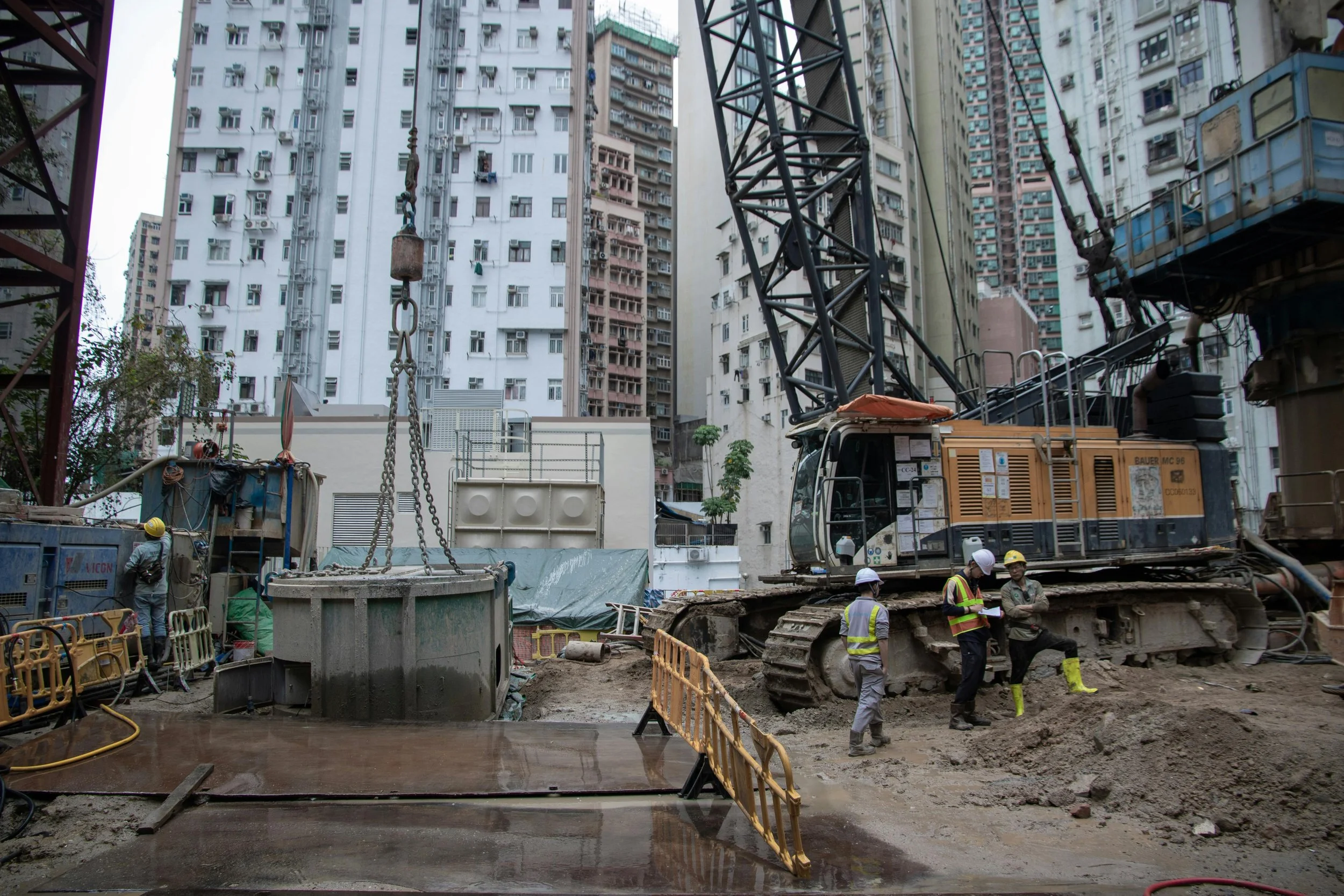
Erosion and sediment control is a foundational component of stormwater compliance. Failures in this area can lead to environmental impacts, regulatory citations, and costly rework. Effective control measures require both proper design and consistent field management.
Ei provides targeted support to help engineering teams manage erosion and sediment control throughout the construction phase.
Interpretation of Local Standards
Regulatory requirements for erosion and sediment control can vary by jurisdiction. Ei helps engineers interpret these standards and apply them effectively within the context of each project.
Field-Based Problem Solving
When issues arise on-site, Ei provides practical solutions that address the root cause of the problem. This includes recommending adjustments to control measures, improving installation techniques, and optimizing maintenance practices.
Reduction of Rework and Delays
By addressing issues early and providing clear guidance, Ei helps reduce the need for rework. This not only saves time and resources but also supports a more predictable construction schedule.
Support for Contractors and Field Teams
Erosion and sediment control is often implemented by contractors who may have varying levels of experience. Ei bridges this gap by providing guidance that ensures control measures are installed and maintained correctly.
Alignment with Long-Term Stormwater Goals
Effective erosion control during construction sets the stage for long-term stormwater performance. By minimizing sediment transfer and protecting site integrity, Ei helps ensure that post-construction BMPs function as intended.
This system-based approach to erosion and sediment control reduces risk at every stage of the project and supports overall compliance.
Sustainable Stormwater Consulting and Low Impact Development (LID) Strategies
As regulatory expectations evolve, there is increasing emphasis on sustainable stormwater management practices. Low Impact Development (LID) and green infrastructure strategies offer opportunities to improve water quality, reduce runoff, and enhance site resilience.
Ei provides consulting services that help engineering teams integrate these practices into their designs in a practical and cost-effective manner.
Evaluation of Site-Specific Opportunities
Every site presents unique conditions and constraints. Ei evaluates these factors to identify opportunities for incorporating LID practices such as bioretention areas, permeable surfaces, and vegetative buffers.
Balancing Performance and Cost
Sustainable solutions must be both effective and financially viable. Ei works with engineering teams to identify strategies that deliver measurable benefits without introducing unnecessary complexity or cost.
Integration with Traditional BMPs
LID practices are most effective when integrated with traditional stormwater systems. Ei helps ensure that these elements work together as part of a cohesive system rather than as isolated features.
Long-Term Maintenance Considerations
Sustainability is not only about design but also about maintenance. Ei evaluates how proposed solutions will be managed over time, ensuring that they remain functional and compliant.
Alignment with Regulatory Trends
As municipalities place greater emphasis on water quality and environmental protection, LID practices are becoming more prevalent in regulatory frameworks. Ei helps engineering teams stay ahead of these trends by incorporating forward-thinking strategies into their designs.
By integrating sustainable stormwater practices, engineering teams can enhance project value while meeting evolving regulatory expectations.
Regional Expertise: Designing for South Carolina’s Unique Conditions
Stormwater management is highly dependent on regional conditions. In South Carolina, engineers must account for a range of environmental factors that influence system performance.
Ei brings localized expertise that supports effective design and implementation across the state.
Coastal Floodplain Dynamics
In coastal areas, stormwater systems must account for tidal influences, high groundwater levels, and increased flood risk. Ei provides insight into how these factors impact design and performance.
Soil Variability and Erosion Risk
From sandy coastal soils to dense red clay in upstate regions, soil conditions play a significant role in erosion and drainage. Ei helps engineers select and implement BMPs that are appropriate for each site.
Regulatory Landscape
South Carolina’s regulatory framework includes state-level requirements as well as local variations. Ei’s familiarity with these requirements supports efficient navigation of the permitting process.
Weather Patterns and Rainfall Intensity
Frequent and intense rainfall events require stormwater systems that can handle variable conditions. Ei evaluates how designs will perform under these scenarios.
Adaptation to Local Construction Practices
Understanding how projects are built in a specific region is essential for ensuring constructability. Ei’s field experience provides valuable context for design decisions.
This regional knowledge enhances the effectiveness of stormwater systems and supports successful project outcomes.
A System-Based Approach to Engineering Support
Ecological Improvements approaches stormwater compliance as an interconnected system rather than a series of isolated tasks. This perspective allows engineering teams to address compliance, performance, and sustainability in a unified way.
By supporting each phase of the project lifecycle, Ei helps engineers:
Reduce regulatory risk
Improve design quality
Streamline permitting and approvals
Ensure accurate construction and implementation
Enhance long-term system performance
The result is a more efficient, predictable, and successful project delivery process.
Work With Ecological Improvements
Engineering teams require reliable partners who understand both the technical and regulatory aspects of stormwater management. Ecological Improvements provides the expertise and support needed to navigate complex requirements while delivering high-performing systems.
If your team is planning a new development, preparing for permitting, or managing construction-phase compliance, Ecological Improvements can support your project from start to finish.
Contact Ecological Improvements to discuss how we can collaborate on your next project and help ensure your stormwater systems are compliant, functional, and built to perform.