Neighborhood Lake Restoration Through Community Engagement
Neighborhood lakes and ponds are more than visual amenities. They receive stormwater runoff, temporarily store water, support aquatic and shoreline habitat, influence nearby property conditions, and provide places for residents to gather and enjoy the landscape. In many communities, the lake also functions as part of the stormwater management system, even when residents primarily think of it as a recreational or aesthetic feature.
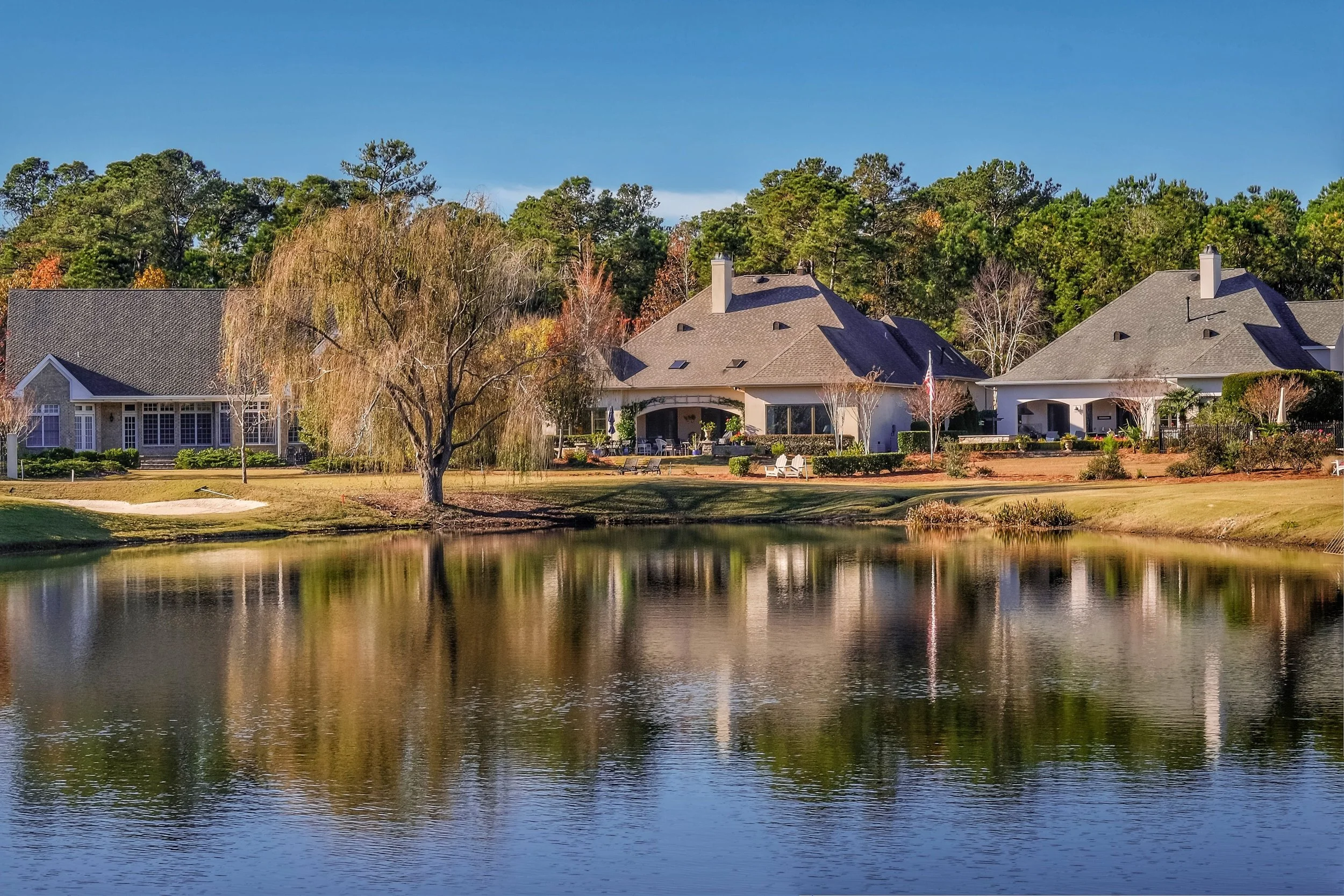
When a neighborhood lake begins to decline, the visible symptoms may include eroded shorelines, exposed soil, cloudy water, excessive algae, invasive vegetation, sediment accumulation, unstable banks, nuisance odors, or loss of usable open water. These conditions rarely develop because of one isolated problem. They are usually connected to the surrounding watershed, drainage infrastructure, shoreline management, maintenance history, nutrient inputs, and patterns of land use.
For that reason, successful neighborhood lake restoration requires more than choosing a product or completing a one-time repair. It requires a system-based plan that identifies the sources of impairment, selects appropriate corrective measures, establishes realistic maintenance expectations, and gives the community a clear role in protecting the improvements.
Community engagement is central to this process. Residents, HOA boards, property managers, landscape contractors, engineers, environmental consultants, maintenance teams, and local agencies may all influence the lake. When those groups understand the restoration goals and coordinate their decisions, the community is better positioned to address the causes of decline rather than repeatedly treating symptoms.
Ecological Improvements helps communities evaluate lake and pond conditions, organize restoration priorities, implement erosion and sediment control measures, and develop practical long-term management strategies. The objective is not simply to improve how a lake looks immediately after construction. It is to support a functional, maintainable water resource that continues serving the neighborhood over time.
Why Community Engagement Matters in Neighborhood Lake Restoration
A lake restoration project affects more than the shoreline where work is visible. Decisions made throughout the neighborhood can either support or undermine the project. Fertilizer use, mowing practices, pet waste management, yard debris disposal, drainage maintenance, construction activity, irrigation, shoreline access, and individual landscaping choices may all affect runoff, sediment, nutrients, and bank stability.
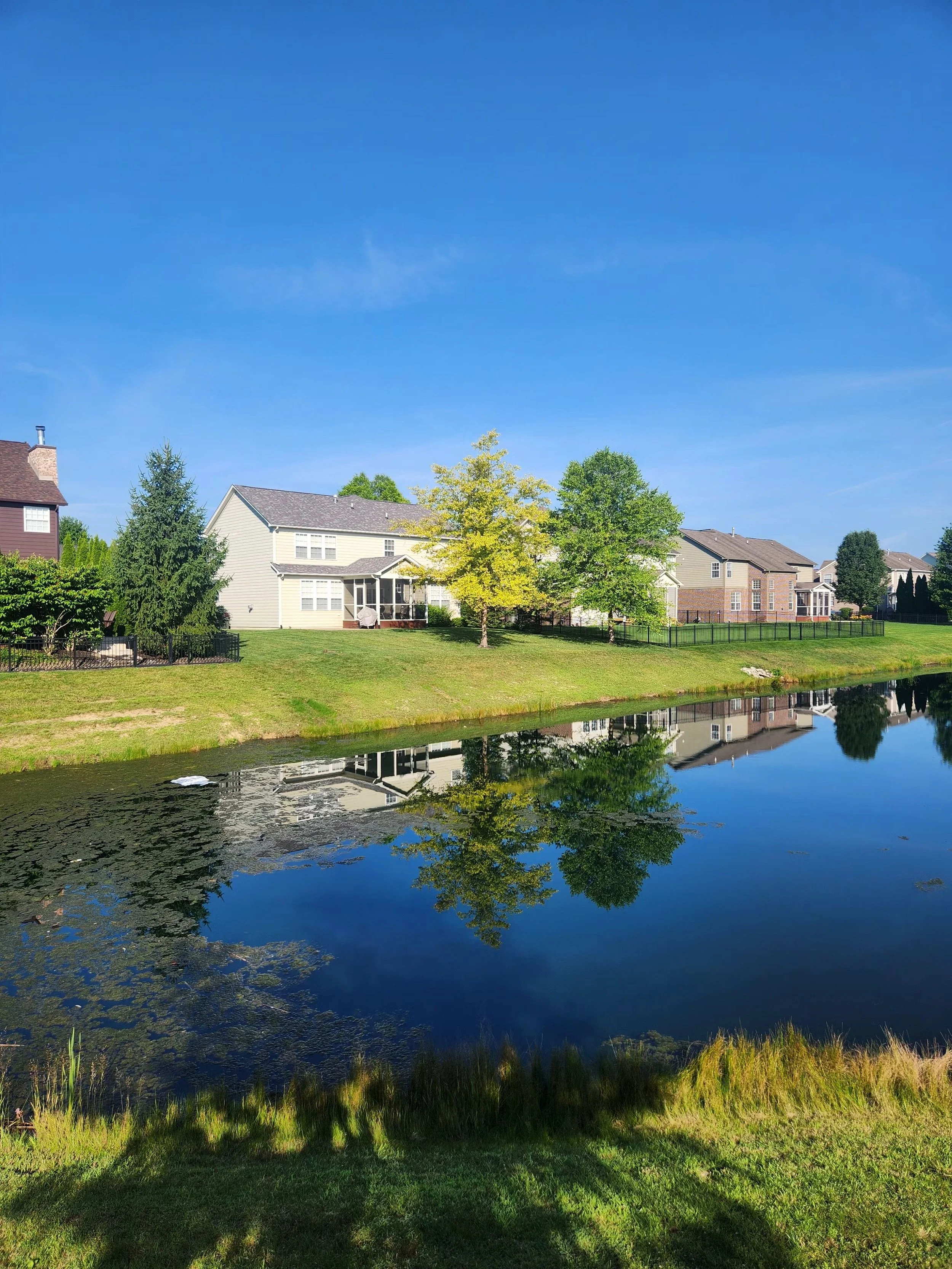
Community engagement creates a shared understanding of these connections. Residents do not need to become lake-management specialists, but they should understand why the lake is changing, what the restoration project is designed to accomplish, and which everyday practices influence long-term performance. This knowledge helps turn restoration from a contractor-led event into an ongoing community management effort.
Engagement Builds Support for Necessary Investment
Lake restoration can require assessments, design, permitting, construction, planting, monitoring, and maintenance. HOA boards and property managers may need to explain these costs to residents who see the lake every day but do not necessarily understand its condition below the waterline or outside their immediate view.
Clear communication helps connect proposed spending to observable risks and functional needs. For example, sediment removal may be necessary because accumulated material has reduced storage volume or created shallow areas that support excessive plant growth. Shoreline stabilization may be necessary because continued bank loss threatens adjacent landscaping, paths, fences, drainage structures, or private lots. Inlet improvements may be needed because runoff is delivering sediment into the lake faster than maintenance can remove it.
When residents understand the cause-and-effect relationship, they are better able to evaluate restoration as infrastructure stewardship rather than a cosmetic expense. This does not mean every stakeholder will agree on every detail. It means the community can discuss alternatives using the same baseline information.
Engagement Improves the Quality of Site Information
Residents and maintenance personnel often hold useful historical knowledge that is not visible during a single site visit. They may know where flooding occurs, which banks have receded, when algae typically appears, how water levels change after storms, where geese congregate, whether previous repairs failed, or how the lake looked before nearby development occurred.
Collecting these observations can help the project team identify patterns and target further investigation. Anecdotal information should not replace field measurements, surveys, water-quality testing, bathymetric data, or engineering analysis, but it can help guide those technical activities. A resident’s observation that one inlet becomes muddy after every major rain, for example, may indicate an upstream erosion source or failing drainage feature that deserves inspection.
Engagement Reduces Conflicts During Implementation
Restoration work may temporarily affect walking paths, views, lake access, parking, noise levels, vegetation, and construction traffic. Projects involving dredging, shoreline grading, access roads, dewatering, or heavy equipment can be disruptive even when carefully managed.
Advance communication allows the community to understand the sequence of work, expected duration, access restrictions, safety requirements, and anticipated appearance during establishment. This is particularly important for bioengineered shorelines and native plantings, which may look sparse immediately after installation and become more complete as vegetation establishes.
A project communication plan should identify who will provide updates, how questions will be handled, and where schedule changes will be posted. Consistent information reduces speculation and helps residents distinguish temporary construction conditions from unexpected problems.
Engagement Protects the Restoration After Construction
Completed improvements remain vulnerable if community practices do not change. Newly planted shoreline areas can be damaged by mowing, trampling, herbicide drift, unauthorized access, or removal by residents who mistake native plants for weeds. Stabilized banks can be compromised when roof drains, irrigation discharge, or concentrated runoff are redirected toward the shoreline. Water quality can continue declining if nutrient and sediment inputs remain uncontrolled.
Post-construction education should therefore be treated as part of the restoration scope. Residents and contractors need simple, site-specific guidance regarding buffer zones, fertilizer use, mowing limits, shoreline access, plant care, inspection, and reporting. A lake restoration project is more likely to remain effective when the people interacting with the site understand what has changed and why.
Understanding the Lake as Part of a Connected Watershed System
Every neighborhood lake is influenced by the land that drains to it. This drainage area, or watershed, may include roofs, streets, lawns, parking areas, sidewalks, construction sites, wooded land, storm drains, swales, culverts, and upstream ponds. Rainfall moves across these surfaces and can carry soil particles, nutrients, organic matter, hydrocarbons, trash, bacteria, and other materials into the water.
Lake restoration should begin with this watershed context. Treating the shoreline without evaluating upstream inputs can lead to recurring problems because the source of impairment remains active. A stabilized bank may protect one section of shoreline, but it will not stop sediment entering through an eroding channel. An algaecide may reduce an algae bloom temporarily, but it will not correct excessive nutrient loading or stagnant circulation.
Common Watershed Pressures on Neighborhood Lakes
Impervious surfaces increase the speed and volume of runoff reaching a lake. Water that would otherwise infiltrate into soil moves rapidly across pavement and rooftops, enters drainage infrastructure, and may discharge through a limited number of outfalls. Concentrated flow can scour channels, erode banks, damage outlet areas, and transport sediment into the basin.
Maintained turf can also affect lake conditions. Fertilizers may contribute nitrogen and phosphorus when applied excessively, at the wrong time, or too close to the water. Frequent mowing to the shoreline removes deep-rooted vegetation that could help hold soil in place. Grass clippings and leaves deposited near drains or in the lake add organic material that consumes oxygen as it decomposes.
Active construction presents another potential source of sediment. Clearing, grading, exposed soil, stockpiles, and incomplete stabilization can generate substantial sediment loads if erosion and sediment controls are missing, poorly maintained, or overwhelmed. Even small projects on individual lots can matter when several occur within the same drainage area.
Wildlife and human activity can influence water quality as well. Concentrated waterfowl populations may increase nutrient and bacterial inputs. Pet waste left on lawns or near drainage paths can wash into the water. Feeding ducks and geese can encourage unnaturally high populations and alter their movement patterns around the lake.
Distinguishing Symptoms From Causes
Visible symptoms are useful indicators, but they do not provide a complete diagnosis. Green water may be associated with algae, but effective management depends on identifying nutrient sources, sunlight exposure, water depth, temperature, residence time, circulation, and other contributing conditions. Eroded banks may reflect wave action, fluctuating water levels, concentrated runoff, steep grading, inadequate vegetation, animal activity, or a combination of factors.
Sediment accumulation illustrates this distinction. Removing sediment can restore depth and capacity, but the improvement may be temporary if upstream erosion continues. A system-based restoration plan evaluates both the accumulated material and the pathway by which it entered the lake.
The same reasoning applies to shoreline vegetation. Removing invasive plants may improve access and habitat conditions, but long-term control often requires follow-up treatment, replanting, and management of the environmental conditions that favor reinvasion. A one-time removal without an establishment plan can leave exposed soil or open ecological space for the same species to return.
Using a Source-Pathway-Receptor Framework
A practical way to evaluate lake problems is to identify the source, pathway, and receptor. The source is where the problem originates, such as exposed soil, excessive fertilizer, an unstable bank, or a damaged stormwater pipe. The pathway is how the material or energy moves, such as surface runoff, concentrated flow, groundwater, wind-driven waves, or direct dumping. The receptor is the lake, shoreline, downstream channel, habitat area, or community asset being affected.
This framework helps communities prioritize actions. If sediment originates at an upstream construction site and travels through a storm drain to the lake, dredging addresses the receptor while erosion controls and inlet protection address the source and pathway. Both may be necessary, but they perform different functions.
Community education becomes more useful when it follows this structure. Rather than offering generic advice to protect water quality, the project team can explain which sources exist in the neighborhood, how pollutants reach the lake, and which practices interrupt those pathways.
For communities seeking a broader understanding of these connections, this page can naturally link to resources on stormwater pond maintenance, watershed assessments, outfall stabilization, sediment management, shoreline erosion control, and nutrient reduction. These related topics help residents and decision-makers see lake restoration as part of a larger stormwater management program.
Assessing Existing Conditions Before Selecting Restoration Methods
A credible restoration plan begins with assessment. The appropriate level of investigation depends on the lake’s size, function, condition, regulatory setting, and intended project scope. Some communities may need a focused shoreline evaluation, while others may require bathymetric surveying, sediment characterization, water-quality sampling, drainage mapping, ecological review, or engineering analysis.
The purpose of assessment is to replace assumptions with site-specific information. It should define the problems, identify contributing factors, establish priorities, and provide a basis for selecting methods. It should also help the community understand which outcomes are realistic and how progress will be measured.
Shoreline and Bank Condition
A shoreline assessment documents erosion severity, bank height and slope, exposed soil, undercutting, slumping, vegetation cover, root exposure, shoreline access, wave exposure, drainage discharge points, and risks to nearby improvements. The inspection should distinguish isolated damage from broader instability and note whether failures are active or appear temporarily stable.
Photographs taken from repeatable locations can create a useful baseline. Surveyed cross-sections, erosion pins, or other measurements may be appropriate where change needs to be quantified. Observations should also include the upland area because drainage patterns above the bank often contribute to shoreline loss.
Sediment Depth and Distribution
Sediment does not accumulate uniformly. Inlets, coves, shallow margins, and low-energy zones may collect material faster than open-water areas. A bathymetric survey or sediment probing program can help estimate water depth, sediment thickness, and volume. Historical plans, if available, may provide a comparison with original design elevations.
The physical and chemical characteristics of sediment may affect handling, dewatering, transport, reuse, and disposal. Testing requirements vary with project conditions and regulatory expectations. Communities should avoid assuming that all removed sediment can be placed elsewhere on the property without evaluation.
Water Quality and Biological Conditions
Water-quality assessment may include temperature, dissolved oxygen, pH, turbidity, conductivity, nutrients, chlorophyll, bacteria, or other parameters selected for the site. A single sample provides limited information because lake conditions change with weather, season, depth, and time of day. Where water quality is a major concern, sampling should be designed to answer specific management questions rather than generate data without a decision framework.
Aquatic vegetation, algae, fish, benthic organisms, shoreline plants, and wildlife observations can add ecological context. The presence of algae does not automatically identify the cause, and not all aquatic vegetation is undesirable. Plants can provide habitat, stabilize sediment, absorb nutrients, and protect shorelines. Management should distinguish beneficial vegetation from invasive growth, excessive coverage, or species that interfere with the lake’s intended uses.
Drainage Infrastructure and Hydraulic Function
Inlets, outfalls, pipes, culverts, control structures, emergency spillways, swales, and forebays should be evaluated as part of the lake system. Blockages, corrosion, joint failure, scour, sediment burial, outlet damage, or altered grading can affect water levels and flow paths.
For stormwater ponds, the original design function matters. The water body may have been constructed to provide detention, retention, water-quality treatment, or a combination of functions. Restoration decisions should not unintentionally reduce storage, obstruct structures, or interfere with required hydraulic performance. Engineering review may be necessary before modifying grades, normal water levels, outlets, or embankments.
Regulatory and Property Constraints
Lake work may involve local, state, or federal requirements depending on the location, waterbody classification, wetlands, downstream connections, protected species, dam status, sediment handling, land disturbance, and proposed construction methods. Property boundaries, easements, access rights, utilities, and maintenance agreements can also shape the project.
Permitting should be evaluated early rather than after a preferred concept has been selected. This allows the community to compare feasible alternatives, account for review timelines, and avoid committing funds to an approach that cannot be implemented as envisioned.
The findings from assessment should be summarized in clear language. A useful report connects each observed condition to likely causes, recommended actions, priority level, estimated maintenance needs, and any additional design or permitting steps. This creates a technical foundation for transparent community decisions.
Building a Community-Supported Lake Restoration Plan
Once existing conditions are understood, the community can develop a restoration plan that aligns technical priorities with available funding, property constraints, regulatory requirements, and neighborhood expectations. The plan should establish what will be addressed now, what will be monitored, and what may require a later phase.
Community participation is most effective when it is structured. Open-ended discussion without clear technical boundaries can lead to unrealistic expectations or decisions based primarily on visual preference. Conversely, presenting a finished design without stakeholder input can create resistance and overlook useful local knowledge.
Define the Lake’s Functions and Management Goals
The first step is to identify how the lake is expected to function. Goals may include stormwater storage, shoreline stability, sediment capture, improved water quality, open-water appearance, habitat support, fishing, walking-path protection, or compliance with maintenance obligations. Some goals reinforce one another, while others require tradeoffs.
For example, a highly manicured shoreline may conflict with the use of a wider vegetated buffer. Maximum open water may conflict with preserving beneficial aquatic habitat. Expanding recreational access may increase foot traffic and erosion at the bank. The planning process should acknowledge these tradeoffs and establish priorities based on the lake’s primary functions.
Goals should be measurable where practical. “Improve the lake” is too broad to guide design or evaluate success. More useful goals might include stabilizing a defined length of actively eroding shoreline, reducing visible sediment delivery at a specific inlet, restoring access to a target water depth, establishing a native buffer with a specified survival rate, or implementing a routine inspection schedule.
Identify Stakeholders and Decision Authority
The planning team should clarify who owns the lake, who maintains it, who controls project funding, who has easement rights, and which agencies may regulate the work. In an HOA community, the board may hold formal authority, while a property manager coordinates vendors and residents provide input. In other settings, multiple property owners or public entities may share responsibilities.
A small lake committee can help gather information and communicate with the broader neighborhood, but its role should be clearly defined. The committee may review options, organize meetings, document resident concerns, and support education. Final technical recommendations should still be based on qualified assessment and design.
Develop and Compare Alternatives
Restoration planning should compare methods according to performance, site suitability, permitting, installation impacts, maintenance, service life, appearance, and cost. A lower initial cost does not always mean a lower lifecycle cost. Repeatedly repairing an unsuitable treatment can be more expensive than selecting a durable solution designed for the actual forces acting on the site.
Alternative evaluation should also consider sequencing. A community may need to stabilize upstream erosion before removing lake sediment, repair a failed outfall before planting the shoreline, or install access controls before establishing vegetation. Completing work in the wrong order can damage new improvements or require duplication.
Establish a Phased Funding Strategy
Large lake projects may be completed in phases based on risk and available funding. Immediate priorities might include infrastructure failures, severe erosion, public safety concerns, or active sediment sources. Secondary work might address moderate shoreline degradation, habitat enhancement, access improvements, or aesthetic goals.
A phased plan should not become a collection of disconnected repairs. Each phase should contribute to the same long-term concept and avoid limiting future work. If dredging is planned later, for example, shoreline improvements should account for future equipment access and sediment-handling needs.
Communities should budget beyond construction. Design, permitting, mobilization, planting, temporary stabilization, monitoring, invasive-species management, irrigation during establishment, and routine inspections can all affect total cost. A maintenance reserve or predictable annual budget helps prevent the restored lake from returning to deferred maintenance.
Create a Clear Communication Plan
The project team should communicate at key milestones: initial assessment, concept development, alternative selection, permitting, preconstruction, active construction, planting, and post-construction monitoring. Each update should explain what has been completed, what comes next, and whether residents need to take action.
Technical drawings and data should be translated into accessible explanations without removing important limitations. Maps, annotated photographs, typical shoreline sections, and before-and-after monitoring locations can help residents understand the plan. Communication should avoid promising immediate or permanent results when vegetation needs time to establish or ongoing maintenance is required.
Questions and concerns should be documented and answered consistently. If a design choice cannot accommodate every preference, the response should explain the controlling factors, such as bank geometry, hydraulic function, access, permitting, erosion forces, or maintenance requirements.
Selecting Restoration Practices for Shorelines, Sediment, and Water Quality
No single treatment is appropriate for every neighborhood lake. Restoration methods should respond to the diagnosed causes, the physical setting, and the community’s management goals. Many projects combine structural, vegetative, operational, and watershed practices.
Shoreline Stabilization and Erosion Control
Shoreline stabilization may include grading, soil lifts, coir products, erosion control blankets, turf reinforcement mats, native vegetation, live stakes, riprap, articulated systems, retaining structures, or hybrid approaches. Selection depends on bank height, slope, soil, water-level fluctuation, wave energy, flow concentration, available space, access, and desired appearance.
Vegetation can be highly effective where conditions support establishment. Deep-rooted native plants reinforce soil, slow overland flow, filter runoff, and create habitat. However, planting alone may not stabilize a steep, actively failing bank or a location exposed to concentrated discharge. Temporary erosion controls and toe protection may be needed while roots develop.
Hard armoring can provide resistance in high-energy areas but should not be treated as a universal solution. Poorly sized or installed rock can shift, settle, or transfer erosion to adjacent areas. Rock placed over an unstable slope without addressing drainage or toe failure may conceal the problem temporarily rather than correct it.
Hybrid stabilization combines structural support with vegetation. This approach can provide immediate erosion resistance while allowing the shoreline to develop a more natural appearance and ecological function. The design must account for establishment conditions, plant selection, maintenance access, and the expected range of water levels.
Erosion control blankets, silt fence, inlet protection, sediment traps, and sediment basins may be used during construction to reduce soil loss and contain disturbed material. These are temporary or process-specific controls, not substitutes for permanent shoreline design. They require inspection and maintenance throughout active land disturbance.
Sediment Management and Dredging
Sediment management begins with controlling active sources. In some lakes, targeted removal at inlets or forebays may restore function without dredging the entire basin. In others, widespread accumulation may require mechanical excavation, hydraulic dredging, dewatering, or a combination of methods.
Method selection depends on sediment volume and characteristics, water depth, access, disposal location, environmental constraints, nearby residences, schedule, and cost. Mechanical removal may require lowering or isolating water and using equipment from the shoreline or temporary access areas. Hydraulic dredging moves a sediment-water slurry to a dewatering location and may reduce some access limitations, but it requires appropriate processing and handling space.
Dewatering and disposal are central planning considerations. Wet sediment occupies substantial volume and may be difficult to transport. Geotextile tubes, settling areas, mechanical dewatering, or other methods may be considered based on the material and site. The project should define how water will be managed and how dried material will be reused or disposed of in accordance with applicable requirements.
Nutrient and Water-Quality Management
Water-quality restoration should focus on nutrient sources and lake processes. Watershed practices may include fertilizer management, pet-waste education, vegetated buffers, street and inlet cleaning, stabilization of exposed soil, treatment of inflowing runoff, and reduction of organic debris entering the water.
In-lake methods may include aeration, circulation, targeted vegetation management, alum or other nutrient-binding treatments, biological approaches, or selective algaecide and herbicide applications. Each method has limitations and should be selected based on diagnostic information. Aeration, for example, may improve oxygen conditions and circulation but does not eliminate external nutrient loading. Chemical treatments may provide targeted control but typically require proper timing, permitting, professional application, and follow-up management.
Communities should be cautious about generalized product claims. Lake responses vary according to depth, temperature, watershed loading, sediment chemistry, hydrology, and biological conditions. A treatment that is useful in one lake may be ineffective or inappropriate in another.
Buffers and Native Plant Communities
A vegetated buffer between maintained lawn and the water can reduce erosion, intercept runoff, discourage geese, and create habitat. Buffer design should consider width, slope, drainage patterns, sightlines, access points, plant height, seasonal appearance, and maintenance capabilities.
Native plant selection should match moisture zones and anticipated water-level variation. Emergent plants may occupy shallow margins, while wet-meadow and upland species stabilize higher elevations. Diversity improves resilience because species respond differently to drought, inundation, shade, herbivory, and seasonal change.
The community should understand that native planting is not maintenance-free. Establishment may require watering, invasive-species control, selective mowing, replacement planting, and protection from geese or foot traffic. Maintenance generally becomes more efficient as the plant community matures, but periodic management remains necessary.
Related internal resources can explain shoreline stabilization systems, native buffer establishment, pond dredging, construction erosion control, stormwater BMP maintenance, algae management, and outfall repair in greater detail. Linking these topics from the restoration page strengthens the educational pathway for property managers and boards evaluating specific needs.
Turning Residents Into Long-Term Lake Stewards
Community involvement should continue after the contractor leaves the site. The most useful stewardship programs focus on a manageable set of behaviors tied directly to local lake conditions. Broad environmental messaging may raise awareness, but site-specific guidance is more likely to change decisions.
Fertilizer and Landscape Management
Landscape practices should minimize nutrient and sediment movement toward the lake. Soil testing can help determine whether fertilizer is needed. Applications should follow label directions, avoid impervious surfaces and saturated soil, respect setbacks from water, and account for forecast rainfall. Phosphorus-free fertilizer may be appropriate where soil testing shows phosphorus is not needed and local rules allow or require that approach.
Mowing practices are equally important. Maintaining a defined no-mow or limited-mow buffer protects shoreline vegetation and reduces disturbance. Grass clippings should be directed away from the water and storm drains. Bare areas should be stabilized promptly, particularly on slopes or drainage paths.
Landscape contractors need the same information as residents. Buffer boundaries, approved maintenance activities, plant identification, herbicide restrictions, and reporting procedures should be included in contracts and site maps. Staff turnover can erase institutional knowledge, so instructions should be documented rather than passed along informally.
Yard Waste, Pet Waste, and Household Practices
Leaves, branches, and grass clippings should not be placed in the lake, on the shoreline, or in drainage structures. Organic debris contributes nutrients and consumes dissolved oxygen as it decomposes. Accumulated material can also obstruct inlets and outlets.
Pet-waste stations, convenient disposal containers, signage, and routine maintenance can support responsible practices in shared areas. Education should explain that storm drains generally convey runoff to local waters and do not function like sanitary sewers.
Residents should also avoid dumping paints, oils, pool water, cleaning products, or other materials into streets, drains, swales, or the lake. Where a specific household activity is affecting water quality, guidance should address it directly and identify an appropriate disposal or discharge alternative.
Shoreline Access and Recreational Use
Unmanaged access can create narrow erosion channels where people repeatedly walk down the bank. Communities can reduce this impact by concentrating access at stable, intentionally designed locations. Steps, paths, overlooks, fishing areas, or small gathering spaces should be planned so they do not interfere with drainage, vegetation, or shoreline stability.
Boating, fishing, and other uses may need practical rules based on lake size and function. Wake-producing activity can increase shoreline erosion in small water bodies. Fishing line, bait containers, and other debris should be managed. If the lake includes stormwater infrastructure, access near outlet structures may require restrictions for safety and maintenance.
Community Monitoring and Reporting
Residents can help identify changes between professional inspections. A simple reporting system might cover new erosion, muddy inflow, blocked structures, damaged plantings, unusual water levels, fish stress, illicit dumping, or invasive vegetation. Reports should include the location, date, photographs, and relevant weather conditions when possible.
Community observations should be routed to a designated manager rather than posted without context in informal channels. The manager can determine whether the condition requires routine maintenance, professional inspection, laboratory testing, or emergency response.
Volunteer monitoring may include repeat photographs, rainfall observations, transparency measurements, or shoreline inspections. If residents collect water-quality data, the program should use consistent methods and clarify the limits of the information. Data is most valuable when it supports a defined decision, such as identifying seasonal trends or triggering additional assessment.
Education That Continues Beyond One Meeting
Lake stewardship should be reinforced through new-resident materials, contractor orientation, annual HOA communications, project signage, and periodic updates. A one-time meeting rarely reaches every resident or survives changes in board membership.
The community can maintain a concise lake-management guide that explains the lake’s function, restoration history, protected areas, approved maintenance practices, inspection contacts, and emergency procedures. This document becomes part of the neighborhood’s operational knowledge and helps future decision-makers understand why previous investments were made.
Implementing Restoration With Clear Roles and Quality Control
Implementation is where planning, design, communication, and field conditions meet. Even a strong concept can underperform if construction sequencing, material installation, erosion controls, or plant establishment are not managed carefully. Clear roles and quality-control procedures help protect the community’s investment.
Preconstruction Coordination
Before work begins, the owner, designer, contractor, property manager, and relevant specialists should review access, staging, utilities, limits of disturbance, protected areas, water management, sediment controls, material specifications, schedule, resident communication, and inspection responsibilities.
The team should identify how unexpected conditions will be handled. Lake projects commonly encounter variable sediment depths, buried debris, soft soils, unrecorded drainage features, groundwater, unstable access areas, or weather delays. A documented process for evaluating changes helps prevent informal field decisions from altering project performance or cost without appropriate review.
Residents should receive a preconstruction notice that explains work hours, equipment routes, temporary closures, safety boundaries, and a project contact. If lake levels will change, the notice should describe the expected range and duration without guaranteeing conditions that depend on rainfall.
Construction-Phase Erosion and Sediment Control
Restoration work can temporarily expose soil and disturb the shoreline. The contractor should install and maintain appropriate erosion and sediment controls before and during disturbance. Measures may include stabilized access, perimeter controls, inlet protection, turbidity barriers, sediment containment, temporary seeding, erosion control blankets, or phased clearing.
Controls should be selected for the site and inspected regularly, especially after rainfall. A silt fence installed in concentrated flow, for example, may fail because it is being used outside its intended function. The objective is not simply to place standard products on the site, but to create a functioning control system that matches water movement and construction sequence.
Installation Verification
Critical elevations, slopes, material thicknesses, anchoring, overlaps, toe details, outlet connections, and planting zones should be verified during construction. Many important components become difficult to inspect after they are covered or submerged.
Photographic documentation, field reports, material certifications, survey checks, and punch-list inspections create a record of the work. If substitutions are proposed, they should be evaluated for equivalent function rather than accepted solely because they appear similar.
Plant Establishment and Adaptive Care
Plant installation is the beginning of establishment, not the end of the project. Watering, invasive-species control, selective trimming, goose deterrence, replacement, and monitoring may be necessary. The maintenance team should know which plants are intended to remain and how different zones should be managed.
Performance criteria should account for seasonal timing. Dormant plants may not show visible growth immediately, while summer installations may require more intensive watering. Survival and coverage should be evaluated at appropriate intervals rather than judged from appearance in the first few weeks.
Adaptive management allows the team to respond when conditions differ from expectations. A persistently wet zone may require different species, concentrated runoff may need to be redirected, or wildlife pressure may require temporary protection. Adjustments should support the original performance goals and be documented for future maintenance.
Measuring Results and Maintaining the Restored Lake
Restoration should include a plan for determining whether the work is performing as intended. Monitoring does not need to be unnecessarily complex, but it should be consistent, relevant, and connected to management decisions.
Establish Baseline and Performance Indicators
Baseline documentation allows meaningful comparison. Depending on the project, indicators may include shoreline position, bank condition, vegetation coverage, plant survival, sediment depth, turbidity at inlets, water depth, dissolved oxygen, nutrient concentrations, algae frequency, outlet condition, or maintenance calls.
Not every indicator needs a numerical target, but each should have a defined observation method. Repeat photographs should use the same viewpoints. Shoreline inspections should use a consistent checklist. Water-quality sampling should follow comparable locations, depths, seasons, and analytical methods.
Inspect at Meaningful Intervals
Inspection frequency should reflect risk and project stage. Newly installed erosion controls and plantings may require frequent observation. Established systems may be inspected seasonally and after major storms. Infrastructure should also be evaluated according to regulatory or design-specific maintenance requirements.
Post-storm inspections are particularly useful because they reveal flow paths, scour, sediment delivery, and drainage behavior that may not be visible during dry weather. The community should define what constitutes a major event for inspection purposes and who is responsible for completing the review.
Maintain the Entire System
Lake maintenance should include more than algae treatment or shoreline mowing. A complete program may cover inlet and outlet inspection, debris removal, forebay cleanout, erosion repair, vegetation management, buffer maintenance, invasive-species control, aeration equipment, access areas, signs, and sediment tracking.
Maintenance records help identify recurring problems and support budgeting. If the same inlet requires repair after multiple storms, the community should investigate the upstream drainage area rather than continue restoring the discharge point alone. If one shoreline section repeatedly loses plants, the cause may involve shade, water-level fluctuation, wave exposure, soil conditions, or maintenance practices.
Plan for Sediment Before Capacity Is Lost
Sediment accumulation is easier to manage when tracked over time. Periodic probing or bathymetric surveys can identify deposition trends and help forecast cleanout needs. Forebays and sediment basins should be maintained before material bypasses them and moves into the main lake.
Waiting until the lake is visibly filled can increase project complexity and cost. Earlier planning provides more time to evaluate access, permitting, sediment testing, dewatering, disposal, and funding. It also allows the community to coordinate sediment removal with shoreline or drainage improvements.
Update the Management Plan
A lake-management plan should evolve as conditions, regulations, community priorities, and maintenance history change. The HOA board or responsible owner should review it periodically and after major projects. Updates may address new development in the watershed, recurring water-quality concerns, infrastructure repairs, vegetation performance, or changes in recreational use.
The plan should remain accessible to future board members and property managers. Continuity is essential because lake processes occur over years, while community leadership may change annually. Documented goals, inspection records, designs, permits, maintenance activities, and monitoring results prevent each new decision-maker from starting without context.
Working With Ecological Improvements on Neighborhood Lake Restoration
Neighborhood lake restoration requires coordination across erosion control, sediment management, stormwater function, shoreline ecology, construction practices, and long-term maintenance. Ecological Improvements approaches these projects as connected systems rather than isolated symptoms.
Our team works with HOAs, property managers, municipalities, developers, golf courses, and commercial property owners to evaluate existing conditions and identify practical restoration priorities. Depending on project needs, the process may include shoreline assessment, erosion and sediment control planning, stabilization recommendations, installation support, native vegetation, sediment-management coordination, and ongoing maintenance guidance.
We select methods according to site conditions and performance requirements. Erosion control blankets, silt fence, sediment basins, stabilization products, vegetative practices, and other measures each have defined applications. Effective restoration depends on using the appropriate practice in the appropriate location and integrating it with the larger drainage and maintenance system.
Community communication can also be built into the project process. Clear assessment findings, phased recommendations, maps, site photographs, construction updates, and maintenance guidance help boards and residents understand what is being addressed and what responsibilities continue after installation.
A Practical Restoration Process
A typical project begins with a conversation about observed conditions, lake function, ownership, maintenance history, and community goals. A site assessment then documents visible concerns and identifies whether specialized studies, surveys, testing, design, or permitting may be required.
The next step is to organize recommendations by priority and relationship. Source controls should be coordinated with in-lake work, infrastructure repair should be sequenced with shoreline improvements, and planting should align with grading and water-level conditions. This system-based structure helps avoid spending money on improvements that may be damaged by an unresolved upstream problem.
Once a scope is defined, implementation planning addresses access, staging, erosion controls, scheduling, resident communication, quality verification, and establishment. Post-construction guidance establishes inspection and maintenance responsibilities so the community can protect the completed work.
Request a Neighborhood Lake Assessment
If your community is seeing shoreline erosion, sediment buildup, declining water quality, unstable banks, excessive vegetation, or recurring maintenance problems, an assessment can help define the next practical step. Ecological Improvements can evaluate the visible conditions, discuss likely contributing factors, and help organize restoration priorities around the lake’s function and the community’s long-term needs.
Contact Ecological Improvements at 843-460-7103 to discuss a neighborhood lake or pond assessment. A clear understanding of existing conditions provides the foundation for responsible budgeting, appropriate restoration methods, and a maintenance plan the community can sustain.
Frequently Asked Questions About Neighborhood Lake Restoration
What is neighborhood lake restoration?
Neighborhood lake restoration is the process of improving the physical, water-quality, ecological, and stormwater functions of a community lake or pond. It may include shoreline stabilization, sediment removal, drainage repair, nutrient reduction, native planting, aquatic vegetation management, infrastructure maintenance, and community education. The appropriate scope depends on why the lake is declining and how it is intended to function.
Why is community engagement important in lake restoration?
Community decisions affect runoff, fertilizer use, shoreline vegetation, pet waste, yard debris, access, maintenance funding, and long-term protection. Engagement helps residents understand the causes of lake problems, provides useful historical observations, builds support for investment, reduces construction conflicts, and protects improvements after installation.
How do we know whether our lake needs dredging?
Visible shallow areas can suggest sediment accumulation, but dredging decisions should be based on depth measurements, sediment distribution, original design information when available, lake function, and management goals. The project should also identify active sediment sources so the restored depth is not lost prematurely.
Can shoreline plants stop erosion?
Vegetation can stabilize soil and filter runoff where bank geometry and erosion forces are suitable. Planting alone may not be enough for steep, undercut, actively failing, or high-energy shorelines. Those areas may require grading, toe protection, structural support, drainage correction, erosion control materials, or a hybrid stabilization system.
Will aeration solve algae problems?
Aeration may improve circulation and dissolved oxygen under appropriate conditions, but it does not correct every cause of algae. Nutrient inputs, water depth, temperature, sunlight, sediment nutrient release, and residence time should also be evaluated. Aeration is one potential component of a broader management plan.
How long does lake restoration take?
The schedule depends on assessment needs, design, permitting, funding, contractor availability, sediment handling, seasonal restrictions, weather, and plant establishment. Construction may occur over weeks or months, while vegetation and water-quality improvements may require multiple growing seasons and continued maintenance.
Who should be involved in the planning process?
The appropriate team may include the lake owner, HOA board, property manager, residents, maintenance contractor, erosion-control specialist, engineer, environmental consultant, landscape professional, contractor, and regulatory agencies. Roles should be defined early so technical decisions, funding authority, communication, and long-term maintenance remain coordinated.
How can residents help after restoration?
Residents can follow fertilizer and buffer guidance, keep yard and pet waste away from drains and water, use designated access points, avoid disturbing shoreline plants, report erosion or infrastructure problems, and support scheduled maintenance. These actions are most effective when the community provides clear, site-specific instructions.
How often should a restored lake be inspected?
Inspection frequency depends on project stage and risk. New plantings and active erosion controls need closer observation, while established systems may be reviewed seasonally and after significant storms. Inlets, outlets, spillways, shorelines, buffers, sediment areas, and maintenance access should all be included in the inspection program.
Is lake restoration a one-time project?
Major construction may be completed once, but lake stewardship is ongoing. Runoff continues, sediment accumulates, vegetation changes, infrastructure ages, and community practices evolve. Routine inspection, maintenance, monitoring, and periodic plan updates are necessary to preserve restoration performance.