The Long-Term Value of Proactive Stormwater BMP Maintenance
Stormwater best management practices, commonly referred to as stormwater BMPs, are designed to manage runoff, control erosion, reduce sediment movement, protect water quality, and help developed properties function within the surrounding watershed. Ponds, swales, forebays, level spreaders, outfalls, vegetated channels, and other stormwater infrastructure often accomplish these jobs quietly in the background. Because they may receive little attention when functioning properly, it can be easy to think of them as passive landscape features rather than active infrastructure that requires ongoing management.
That perception often changes when visible problems develop. A pond bank begins to erode. A swale fills with sediment and vegetation. An outfall becomes obstructed. Water that was once relatively clear becomes consistently murky. Shoreline vegetation disappears in some areas while invasive or nuisance vegetation overtakes others. What appears to be a sudden problem may actually be the visible result of changes that have been developing within the stormwater system for months or years.
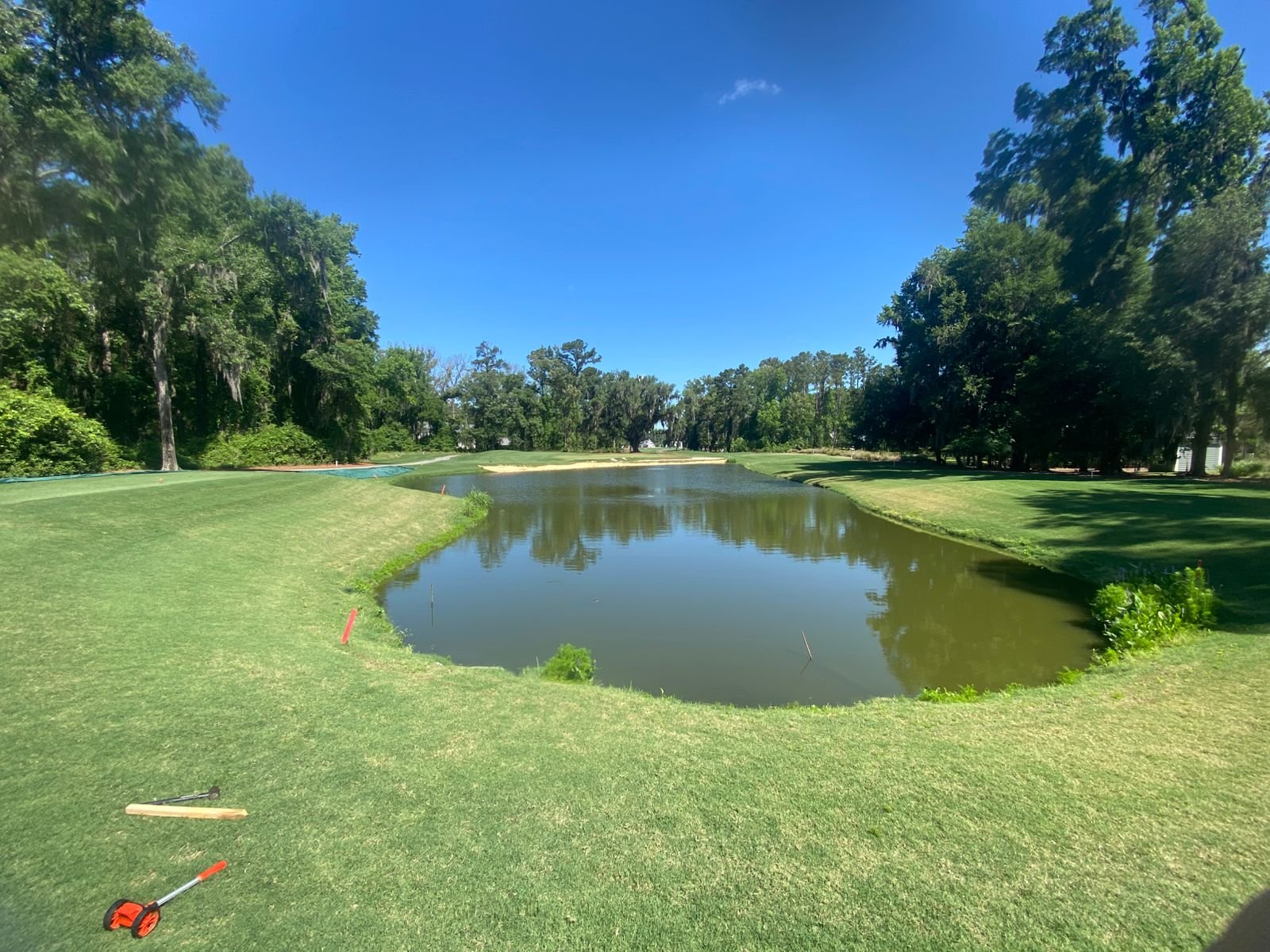
The condition of a BMP is rarely determined by one isolated component. Water movement, soil stability, vegetation, sediment accumulation, drainage structures, maintenance access, and upstream conditions all influence how the system performs. This is why effective stormwater BMP maintenance requires more than addressing whichever problem is most visible at the moment. The goal should be to understand how the entire system is functioning and determine what is contributing to deterioration.
When that approach is applied consistently, stormwater infrastructure can become more than a compliance responsibility or maintenance expense. A properly functioning BMP can help protect surrounding property, support healthier vegetation, improve water quality, create habitat, maintain attractive common areas, and reduce the likelihood that small maintenance needs develop into larger restoration projects.
At Ecological Improvements, we view this progression as moving a BMP from erosion to ecosystem. The process starts by protecting the physical stability and intended function of the stormwater system, then uses appropriate vegetation management and ecological restoration practices to support greater long-term resilience. The result is infrastructure that works with the surrounding landscape instead of becoming a recurring problem within it.
Why Stormwater BMPs Should Be Managed as Complete Systems
A stormwater BMP is not simply the pond, ditch, pipe, or vegetated area visible on a property. It is one component of a larger drainage system that begins wherever runoff is generated and continues through conveyance, treatment, storage, and discharge. Roofs, parking areas, streets, sidewalks, landscaped areas, construction sites, upstream drainage networks, pipes, swales, ponds, outlets, and receiving waterways may all influence what happens within a single BMP.
This interconnectedness explains why stormwater problems are often more complicated than they initially appear. Erosion on one section of a pond bank, for example, may not be caused exclusively by unstable soil at that location. Concentrated runoff entering the pond, fluctuating water levels, insufficient vegetation, wave action, steep slopes, animal activity, or changes elsewhere within the drainage area may be contributing to the problem.
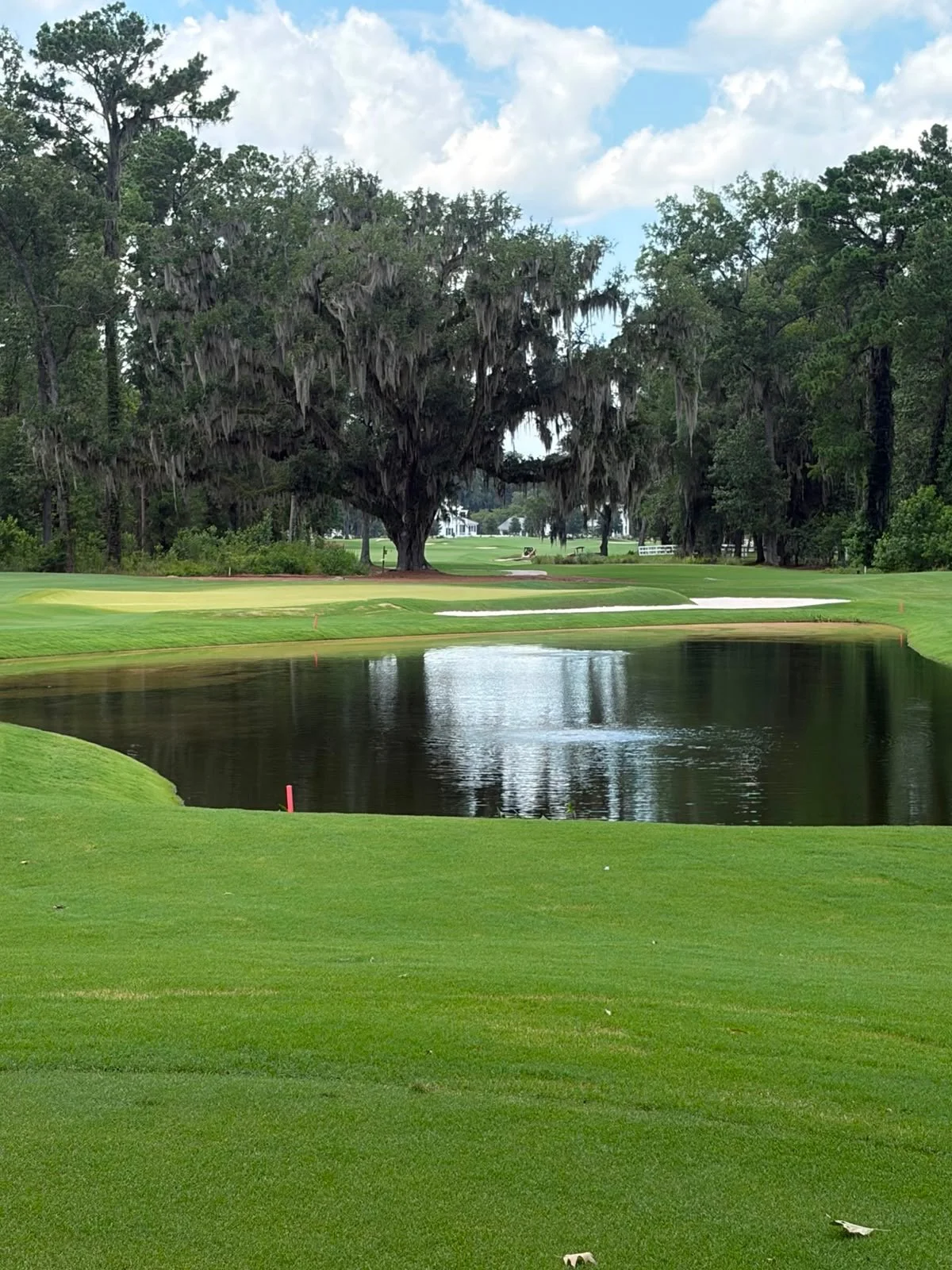
Similarly, sediment accumulation in a pond may indicate more than a need to remove sediment. Sediment has to come from somewhere. If upstream soils are eroding, construction areas are inadequately stabilized, channels are deteriorating, or runoff is moving across exposed surfaces, sediment removal without addressing the source may only provide temporary improvement.
BMP Function Depends on Multiple Components Working Together
Stormwater systems perform best when hydraulic function, erosion control, sediment management, vegetation, structural integrity, and maintenance access are considered together. Each component affects the others.
Vegetation is a good example. Properly selected and established vegetation can protect soil from rainfall impact, slow surface runoff, reinforce soil with root systems, filter sediment, and provide habitat. However, uncontrolled woody vegetation in the wrong location can obstruct access, interfere with structures, destabilize certain embankments when large trees fail, or make inspections difficult. The goal is not simply to maximize or minimize vegetation. The goal is to manage vegetation according to the function of the BMP and the conditions of the site.
Water movement requires the same type of system-based evaluation. Stormwater is supposed to move through infrastructure, but it needs to move in a controlled way. When runoff becomes concentrated, velocities increase, drainage paths shift, or outlet conditions deteriorate, erosion can accelerate rapidly. Conversely, excessive sediment or vegetation can restrict intended conveyance and storage areas.
Reactive Repairs Can Miss the Underlying Cause
Reactive maintenance typically begins when a visible symptom becomes difficult to ignore. A washed-out bank gets filled. An overgrown area gets cleared. Sediment is removed from a structure. An eroded section receives stone. Each action may be appropriate, but lasting results depend on whether the work addresses the process creating the problem.
If concentrated runoff continues to reach a repaired slope at excessive velocity, the slope may erode again. If invasive vegetation is removed without establishing appropriate replacement vegetation or planning follow-up management, disturbed areas may quickly become recolonized. If an outfall is cleared but downstream erosion is affecting its stability, the underlying risk remains.
A comprehensive BMP maintenance strategy asks a broader set of questions. Where is water coming from? Where is it supposed to go? How is it moving across the site? Where is sediment being generated and deposited? Which areas are losing soil? Which vegetation is helping stabilize the system, and which vegetation is interfering with function? Are structures accessible and operating as intended?
Answering these questions creates the foundation for proactive stormwater management. It also helps property owners, managers, municipalities, HOAs, developers, and other stakeholders prioritize maintenance based on system function rather than appearance alone.
Erosion Is Often the First Visible Warning Sign of BMP Stress
Erosion is one of the clearest indications that conditions within a stormwater system are changing. It may begin as a relatively small area of exposed soil, a shallow rill running down a slope, or a section of shoreline where vegetation has become thin. These conditions can appear minor, but they represent movement of soil that should otherwise remain stable.
As erosion progresses, the consequences become more significant. Small rills can develop into deeper channels. Shoreline retreat can reduce usable property. Slopes can become increasingly steep and difficult to stabilize. Roots may become exposed as surrounding soil disappears. Sediment can move downstream and accumulate in ponds, forebays, swales, pipes, or receiving waters.
For properties with paths, fences, utilities, landscaping, roads, or structures near stormwater infrastructure, continued soil loss can eventually affect surrounding assets. The cost and complexity of restoration generally increase as erosion moves beyond the surface and begins changing the physical geometry of the site.
What Causes Erosion Around Stormwater BMPs?
There is rarely one universal cause of BMP erosion. The specific mechanism needs to be evaluated before a durable solution can be selected.
Concentrated runoff is a common contributor. When water that once moved across a broad surface becomes focused into a narrow drainage path, its erosive energy increases. This can occur around pavement edges, drainage outlets, downspouts, disturbed soil, or locations where grading directs runoff toward a particular slope.
Insufficient vegetation can also leave soil vulnerable. Bare soil receives the direct impact of rainfall and offers little resistance to surface runoff. Once small channels begin forming, subsequent storm events tend to follow the same paths, allowing erosion to deepen.
Pond shorelines face additional stresses. Water-level fluctuations, wave action, steep banks, poor soil conditions, inadequate vegetation, wildlife activity, and concentrated inflows can all contribute to shoreline erosion. Determining which factors are active is important because different causes require different combinations of stabilization techniques.
Why Small Erosion Problems Should Be Addressed Early
Early erosion control is generally more manageable because the original grade and soil profile may still be largely intact. The problem may be addressed through relatively targeted grading, soil stabilization, vegetation establishment, erosion control materials, runoff management, or other site-specific measures.
Once significant soil has been lost, restoration becomes more involved. Material may need to be brought back into the site, slopes reconstructed, drainage redirected, structures protected, or access created for equipment. Sediment that has already moved downstream may create additional maintenance requirements elsewhere.
This is why routine stormwater inspections and maintenance are important even when the property appears to be functioning normally. Inspections provide an opportunity to identify exposed soils, minor rills, developing gullies, bank instability, damaged vegetation, sediment deposits, blocked conveyances, and other indicators before they become more difficult to address.
Erosion Control Should Address Cause and Consequence
Effective erosion control should stabilize the damaged area while also reducing the conditions that caused the erosion. Depending on the site, this may involve reshaping slopes, controlling concentrated runoff, improving vegetation, reinforcing high-energy areas, installing appropriate erosion control materials, or combining structural and vegetative methods.
Ecological Improvements evaluates erosion as part of the larger stormwater system rather than treating every eroded area as an isolated landscaping issue. That distinction matters because the objective is not simply to make the damaged area look repaired. The objective is to create conditions that support continued stability during future rainfall and runoff events.
For property managers and communities experiencing exposed roots, shoreline erosion, failing slopes, or recurring washouts, understanding the source of the erosion is the first step toward a more durable solution. These conditions also create natural opportunities to connect broader resources about pond bank stabilization, exposed roots around stormwater ponds, erosion control services, and stormwater system inspections.
Vegetation Management Can Turn a Struggling BMP Into a Healthier Ecosystem
Vegetation is one of the most important and frequently misunderstood components of stormwater BMP maintenance. Plants can stabilize soil, intercept rainfall, slow runoff, capture sediment, support infiltration, provide wildlife habitat, and improve the visual character of stormwater areas. At the same time, unmanaged vegetation can interfere with inspections, obstruct structures, alter intended flow paths, and contribute to maintenance challenges.
The objective is therefore not simply to remove vegetation or allow everything to grow. Effective vegetation management involves identifying which plants support the function of the BMP, which plants create problems, where vegetation should be encouraged, and where it needs to remain controlled.
A stormwater pond surrounded entirely by bare or closely mowed soil, for example, may lack the root structure needed to protect vulnerable banks. At the other extreme, a pond surrounded by uncontrolled woody growth and invasive vegetation may become difficult to inspect and maintain. Neither condition represents a balanced approach.
The Role of Native and Site-Appropriate Vegetation
Establishing vegetation suited to local site conditions can significantly improve long-term soil stability. Root systems help hold soil in place while above-ground growth reduces the direct impact of rainfall and slows runoff before it reaches vulnerable surfaces.
Plant selection should account for conditions such as sunlight, soil moisture, expected water-level fluctuations, slope, maintenance requirements, and the intended function of the BMP. Areas that remain wet for extended periods require different plant communities than upper slopes that periodically become dry. Selecting plants based on actual site conditions improves establishment and reduces the likelihood that restoration efforts will need to be repeated.
Appropriate vegetation can also provide ecological value beyond erosion control. Diverse plant communities can provide food, shelter, nesting areas, and transitional habitat for insects, birds, amphibians, and other wildlife. When managed correctly, stormwater infrastructure can therefore contribute to ecological connectivity within otherwise developed landscapes.
Why Invasive and Nuisance Vegetation Requires Management
Some vegetation can spread aggressively and displace plants that provide greater functional or ecological value. Dense invasive growth can create monocultures, restrict maintenance access, obscure drainage structures, and make it difficult to identify erosion or structural deterioration.
Woody vegetation requires particular consideration around certain stormwater structures and embankments. Trees and shrubs are not automatically undesirable, but their location, size, root structure, and relationship to infrastructure need to be evaluated. Unplanned removal of mature woody vegetation can also create instability if extensive root systems are suddenly lost, which is another reason vegetation management should be planned rather than approached as indiscriminate clearing.
Management may involve selective removal, mowing, cutting, invasive species control, targeted clearing, and establishment of more appropriate replacement vegetation. Follow-up is important because disturbed areas create opportunities for unwanted vegetation to return.
A Healthy BMP Is Not Necessarily a Manicured BMP
There is an important difference between ecological maintenance and conventional landscaping. A healthy stormwater BMP does not need to resemble a manicured lawn. In many cases, allowing appropriate vegetation to establish within designated areas improves erosion resistance, filtration, habitat, and long-term resilience.
The key is intentional management. Vegetation should support the engineering and environmental function of the system while preserving necessary access to inlets, outlets, embankments, forebays, inspection areas, and other critical infrastructure.
This approach can also improve how stormwater areas fit within a community or commercial landscape. Instead of viewing ponds, swales, and drainage areas as leftover spaces that need to be hidden, property owners can manage them as functional green infrastructure. Healthy vegetation, stable shorelines, and clearly maintained structures communicate that the property is being managed deliberately.
Ecological Improvements integrates vegetation management with erosion control and stormwater maintenance because these components are inherently connected. When vegetation is selected and maintained according to the hydraulic and ecological needs of the site, it becomes part of the infrastructure itself.
Ponds, Swales, Forebays, Level Spreaders, and Outfalls Have Different Maintenance Needs
The term stormwater BMP covers a broad range of infrastructure, and each BMP type performs a different function within the drainage system. Effective maintenance needs to reflect those differences. Applying the same maintenance approach to every stormwater feature can overlook the specific conditions that determine whether each component is working properly.
A pond may be designed to store runoff, allow sediment to settle, control discharge rates, improve water quality, or perform several of these functions at once. A swale conveys and sometimes treats runoff through a vegetated channel. A forebay is generally positioned to capture sediment before runoff enters a larger treatment or storage area. A level spreader distributes concentrated flow across a wider area. An outfall provides the point where stormwater leaves a pipe, channel, pond, or other drainage feature.
Because these components often function sequentially, deterioration in one location can create problems elsewhere.
Stormwater Pond Maintenance
Stormwater ponds require attention to banks, vegetation, sediment, inlets, outlets, water levels, access areas, and visible water-quality conditions. Persistent erosion, excessive sediment accumulation, damaged structures, invasive vegetation, algae, and obstructed flow paths can indicate that maintenance is needed.
The pond should also be evaluated in relation to its drainage area. If sediment is accumulating rapidly, upstream erosion may be contributing. If a particular bank repeatedly fails, inflow patterns or drainage conditions may need to be examined. If water quality changes substantially, the condition of the entire contributing watershed may be relevant.
Routine stormwater pond maintenance provides an opportunity to address these interconnected conditions before restoration becomes more extensive.
Swale Maintenance
Vegetated swales depend on both their physical shape and vegetation. Sediment accumulation can reduce capacity or redirect water, while erosion can create channels that concentrate runoff instead of distributing it through the intended cross-section.
Vegetation that becomes excessively dense can also alter flow, while bare areas can become erosion points. Maintenance may involve sediment removal, localized grading, vegetation management, stabilization, and restoration of the intended drainage path.
A swale that appears to be a simple ditch can play an important role in slowing, conveying, and treating stormwater. Its condition can influence downstream BMPs, particularly if erosion within the swale becomes a significant sediment source.
Forebay Maintenance
Forebays are intended to capture heavier sediment and debris before they move farther into a stormwater treatment system. This makes sediment accumulation an expected part of their function, but it also means they require periodic monitoring and maintenance.
When a forebay becomes excessively filled, its ability to provide the intended pretreatment can decline. More sediment may then move into the primary pond or downstream treatment area, shifting the maintenance burden to locations that may be more difficult and expensive to restore.
Maintaining forebays can therefore be an important part of a broader sediment management strategy.
Level Spreader Maintenance
Level spreaders are intended to convert concentrated runoff into shallower, distributed flow. Their effectiveness depends on maintaining the geometry and conditions that allow water to spread evenly.
Sediment, vegetation, erosion, settlement, or physical damage can create low points that reconcentrate runoff. Once concentrated flow develops, downstream erosion can occur even though the level spreader itself may still appear largely intact.
Inspection should therefore evaluate whether water is actually being distributed as intended rather than simply confirming that the structure remains present.
Outfall Maintenance
Outfalls represent a critical transition point between stormwater infrastructure and the receiving landscape or waterway. Concentrated discharge can create significant erosive forces, particularly during major rainfall events.
Outfall inspections should look for obstruction, sediment accumulation, erosion, scour, displaced stabilization materials, exposed pipe, damaged structures, and changes to the downstream channel. Vegetation or debris that restricts flow can also affect system performance.
Because outfall problems can develop outside the most visible areas of a property, they are sometimes overlooked until erosion becomes substantial. Incorporating outfall maintenance into routine stormwater inspections helps ensure that the system is evaluated from inlet through discharge rather than only at the most visible pond or basin.
How Proactive BMP Maintenance Protects Water Quality and Ecological Health
Stormwater BMPs are fundamentally connected to water quality. Runoff moving across developed surfaces can carry sediment, nutrients, organic material, debris, and other pollutants. BMPs help manage this runoff before it reaches downstream waterways, but their ability to do so depends on their condition.
Sediment is particularly important because it affects both the BMP and the receiving environment. Soil particles transported by runoff can make water appear cloudy or murky, reduce storage volume as they accumulate, bury vegetation, and transport other pollutants associated with the sediment.
Preventing unnecessary erosion is therefore also a water-quality strategy. Keeping soil stabilized at its source reduces the amount of material that the stormwater system must capture and manage downstream.
Sediment Management Begins Upstream
Removing sediment from a BMP may eventually be necessary, but sediment removal should not be considered independently from sediment generation. If large quantities of soil continue entering the system, the same maintenance problem will return.
A system-based assessment looks upstream for eroding slopes, unstable channels, exposed soil, construction activity, failing vegetation, concentrated drainage, and other potential sediment sources. Addressing these areas can help extend the functional life of downstream ponds and forebays.
This is especially relevant for properties undergoing clearing, grading, construction, or redevelopment. Construction entrances, perimeter controls, temporary stabilization, permanent vegetation, and other erosion and sediment control measures help limit the amount of disturbed soil transported into permanent stormwater infrastructure.
Vegetation Supports Water-Quality Function
Appropriate vegetation can slow runoff and provide opportunities for sediment to settle before water reaches downstream systems. Dense root systems stabilize soil, while stems and leaves create physical resistance to shallow surface flow.
Vegetated buffers around stormwater features can also create separation between maintained landscapes and receiving waters. Their effectiveness depends on site conditions, vegetation type, slope, width, runoff patterns, and ongoing management.
Maintaining these areas as functional components of the stormwater system is different from treating them exclusively as landscaping. Decisions about mowing, clearing, planting, and access should account for how the vegetation affects runoff and soil stability.
Ecological Health Supports Long-Term Resilience
A BMP that supports diverse, appropriate vegetation and stable soil is generally better positioned to respond to environmental stress than one dominated by bare ground, invasive vegetation, or chronic erosion.
Ecological health does not eliminate maintenance requirements. Stormwater systems remain engineered infrastructure and need continued inspection and management. However, ecological restoration can complement engineering function by using natural processes to stabilize soils, manage runoff, and support habitat.
This combination is central to Ecological Improvements' approach. Structural stabilization may be required where hydraulic forces are high, while vegetative solutions may be appropriate in other areas. Some sites require both. The correct strategy depends on understanding where each technique can perform reliably.
Water quality, erosion control, vegetation management, and structural integrity should therefore not be separated into unrelated maintenance categories. They are different parts of the same stormwater management system.
Well-Maintained Stormwater BMPs Can Support Long-Term Property Value
Stormwater infrastructure influences a property in ways that extend beyond drainage and regulatory requirements. Its condition affects usable land, landscape quality, maintenance budgets, inspection readiness, infrastructure risk, and the overall impression of how a property is managed.
For an HOA community, a stormwater pond may sit beside homes, walking paths, recreational areas, or community entrances. On a golf course, drainage infrastructure can influence playable areas, ponds, landscaping, and course conditions. On commercial properties, BMPs may be visible to tenants, customers, investors, and neighboring properties. Municipal systems can affect public spaces, roadways, waterways, and surrounding infrastructure.
In each setting, a stable and intentionally maintained stormwater system supports the property around it.
The Visual Condition of Infrastructure Communicates Maintenance Quality
People may not know how a stormwater BMP works, but they recognize obvious deterioration. Bare banks, exposed soil, uncontrolled vegetation, murky water, eroded channels, debris, and failing structures create a visible impression of deferred maintenance.
Conversely, stable slopes, managed vegetation, functional structures, and well-maintained drainage areas indicate that infrastructure is receiving attention. The goal should not be to make every BMP ornamental. It should be to maintain a condition that is both functional and appropriate for the surrounding property.
This distinction is important because some of the most effective ecological BMPs have a natural appearance. Native vegetation, vegetated buffers, and habitat areas may look different from conventional manicured landscaping while still demonstrating intentional management.
Proactive Maintenance Helps Protect Surrounding Assets
The more significant property-value benefit is often what proactive maintenance helps prevent. Erosion can migrate toward paths, roads, fences, utilities, landscaping, buildings, and property boundaries. Sediment accumulation can reduce BMP capacity. Blocked structures can interfere with drainage. Uncontrolled vegetation can limit access to infrastructure when maintenance or inspections are required.
Addressing developing problems before they affect surrounding assets can reduce the scope of future restoration. It also gives property owners more flexibility in planning maintenance rather than being forced to respond after a failure becomes urgent.
This does not mean every small maintenance issue will become a major repair. Stormwater systems are dynamic, and some change is normal. The value of routine maintenance lies in distinguishing normal conditions from developing problems and responding proportionally.
Inspection Readiness Is Part of Responsible Property Management
Stormwater infrastructure may also be subject to inspections, maintenance requirements, easements, permits, local ordinances, MS4 requirements, or other regulatory obligations depending on the property and jurisdiction.
Maintaining documentation of inspections, maintenance activities, repairs, vegetation management, and observed conditions can help property owners understand the history of the system. Records also make it easier to identify recurring issues and demonstrate that infrastructure is being actively managed.
Rather than waiting for an inspection to discover a maintenance problem, property owners can incorporate stormwater reviews into normal property-management planning. This shifts BMP management away from emergency response and toward predictable asset management.
The result is a more informed understanding of future maintenance needs. Property owners can prioritize work, plan budgets, document improvements, and make decisions based on observed system conditions rather than waiting until a visible failure determines the schedule.
Proactive Maintenance Is More Effective Than Waiting for BMP Failure
Stormwater BMP deterioration is usually progressive. Vegetation becomes thinner before a slope becomes bare. A small erosion channel develops before a major washout. Sediment accumulates incrementally before a forebay loses substantial capacity. Woody vegetation grows for years before access becomes difficult. An outfall may experience localized scour before surrounding soil becomes significantly undermined.
This progression creates opportunities for intervention. Routine inspections and maintenance allow property owners to identify those opportunities while problems are still limited in scope.
Proactive maintenance does not mean performing unnecessary work. It means monitoring the condition of infrastructure and taking appropriate action based on observed needs.
A Practical BMP Maintenance Cycle
A strong maintenance program generally begins with assessment. The site should be reviewed for erosion, sediment accumulation, vegetation conditions, structural concerns, drainage patterns, access limitations, and other indicators of changing performance.
The next step is prioritization. Conditions that affect structural stability, active erosion, drainage function, or public infrastructure may require more immediate attention than cosmetic issues. Other work can be scheduled as part of routine vegetation management or seasonal maintenance.
Corrective work should then address both the visible condition and its likely cause. If a slope is repaired, runoff patterns should be considered. If vegetation is removed, the long-term vegetation plan should be considered. If sediment is removed, upstream sediment sources should be evaluated.
After work is completed, follow-up matters. Vegetation needs time to establish. Stabilized areas should be observed after rainfall. Invasive species may require continued management. Repaired drainage areas should be checked to confirm that water is behaving as intended.
This assess, prioritize, correct, and monitor cycle creates a repeatable framework for managing stormwater infrastructure over time.
Major Storms Make Existing Weaknesses More Visible
Large rainfall events place additional stress on drainage systems, but the storm itself is not always the original cause of the resulting damage. Heavy runoff frequently exposes vulnerabilities that were already developing.
A partially obstructed outfall may still convey normal rainfall but struggle during a major event. A small area of bank erosion may remain relatively unchanged during dry weather before accelerating when runoff increases. A swale that has gradually filled with sediment may appear functional until a larger volume of water needs to move through it.
This is why preparation for significant rainfall should include more than emergency response. Maintaining stormwater infrastructure before major storms improves the likelihood that the system will perform closer to its intended function when runoff volumes increase.
Post-storm inspections can be equally valuable. Fresh sediment deposits, new erosion, debris lines, displaced materials, and changes in vegetation can reveal how water actually moved through the site. These observations can help identify maintenance priorities that may not be apparent during dry conditions.
Maintenance Creates Better Information for Long-Term Planning
A proactive program also produces something less visible but equally valuable: knowledge about the system.
Over time, inspections reveal which areas repeatedly experience erosion, how quickly sediment accumulates, where vegetation requires continued management, and which structures need more frequent attention. That information allows maintenance strategies to become increasingly site-specific.
For HOAs and commercial properties, this can improve budgeting. For municipalities, it can support asset-management planning. For developers and construction teams, it can help identify how temporary erosion and sediment controls transition into permanent stormwater infrastructure.
The objective is not simply to complete individual maintenance tasks. It is to understand the behavior of the system well enough to manage it intentionally.
Ecological Improvements' Approach: Moving BMPs From Erosion to Ecosystem
The most effective stormwater BMP maintenance combines an understanding of water movement with erosion control, vegetation management, sediment management, structural awareness, and ecological restoration. Treating these areas separately can result in repeated maintenance because improvements in one part of the system may be undermined by unresolved conditions elsewhere.
Ecological Improvements takes a system-based approach. We evaluate how stormwater is moving through the property, where erosion and sediment are developing, how vegetation is influencing performance, and whether the condition of the BMP supports its intended function.
That perspective allows maintenance recommendations to be built around the actual needs of the site.
Step 1: Understand the Existing System
The process begins by understanding what is present and how the components relate to one another. Ponds, swales, forebays, level spreaders, outfalls, drainage channels, slopes, vegetation, and surrounding land uses are considered within the context of the larger stormwater network.
Visible symptoms are documented, but they are not automatically assumed to be the root cause. An eroding bank, for example, leads to questions about inflow, runoff concentration, vegetation, slope geometry, and water-level conditions.
This assessment creates a more complete picture of what the system needs.
Step 2: Stabilize Active Problems
Active erosion and structural concerns generally need to be controlled before broader ecological improvements can succeed. Stabilization methods vary depending on slope, soil, runoff velocity, access, and other site conditions.
Solutions may include grading, soil stabilization, erosion control materials, structural measures, vegetation, or combinations of these techniques. The goal is to match the solution to the forces acting on the site rather than applying the same treatment everywhere.
Sediment and debris that interfere with BMP function may also need to be addressed during this stage.
Step 3: Manage Vegetation Intentionally
Once physical conditions are stabilized, vegetation can play an important role in supporting long-term performance. This may include removing invasive or nuisance species, controlling woody growth in inappropriate locations, preserving beneficial vegetation, and establishing plants suited to the conditions of the site.
Vegetation planning should account for future maintenance. A restoration that looks successful immediately after installation still needs to be manageable several years later.
The objective is a plant community that supports stability, ecological function, inspection access, and the intended operation of the BMP.
Step 4: Support Long-Term BMP Function
Stormwater maintenance is not finished when a project is completed. BMPs continue receiving runoff, sediment continues moving through watersheds, vegetation continues growing, and weather continues changing site conditions.
Long-term performance therefore depends on periodic observation and maintenance. Establishing a maintenance strategy after restoration helps protect the investment already made in the property.
This may include periodic inspections, vegetation management, erosion repairs, sediment monitoring, outfall maintenance, and documentation of changing conditions.
From Problem Area to Property Asset
The ultimate goal is to change the role the BMP plays on the property. Instead of being an area that receives attention only when something fails, it becomes managed infrastructure that contributes to the stability and environmental performance of the site.
A functioning stormwater pond can provide storage, treatment, habitat, and visual value. A stable swale can convey runoff while supporting vegetation. A maintained forebay can reduce sediment loading farther downstream. A functioning level spreader can protect downstream soils from concentrated flow. A stable outfall can move stormwater into the receiving environment without creating unnecessary erosion.
Together, these components form a stormwater system that protects more than water quality. It helps protect surrounding land, infrastructure, ecological function, and long-term property value.
Building a Long-Term Stormwater BMP Maintenance Strategy
The best time to understand a stormwater system is before a major failure forces action. Property owners and managers do not need to wait for severe erosion, substantial sediment accumulation, drainage failure, or regulatory concerns before evaluating their BMPs.
A long-term strategy begins with knowing what infrastructure exists on the property. Stormwater ponds may be obvious, but outfalls, forebays, swales, level spreaders, drainage easements, and other components can receive less attention. Mapping or documenting these features creates a baseline for future inspections.
The next priority is establishing what normal conditions look like. Water levels may fluctuate. Vegetation changes seasonally. Some sediment deposition is expected. Naturalized BMPs may not look like conventional landscaping. Understanding the normal behavior of the site makes it easier to identify meaningful changes.
Conditions Worth Monitoring
Property managers should pay particular attention to new or expanding erosion, bare soil, exposed roots, shoreline retreat, sediment deposits, blocked structures, displaced stabilization materials, persistent standing water in unexpected locations, changes in drainage paths, uncontrolled invasive vegetation, and inaccessible infrastructure.
Water clarity and visible algae can provide additional information, although appearance alone does not provide a complete assessment of water quality. Changes should be considered alongside rainfall, seasonal conditions, upstream land use, vegetation, and the physical condition of the BMP.
Maintenance records are useful for establishing patterns. If the same bank requires repair repeatedly, a larger hydraulic or grading issue may need to be investigated. If sediment accumulates rapidly after every construction phase upstream, erosion and sediment controls may warrant additional attention.
Stormwater Maintenance Should Be Scaled to the Site
There is no universal maintenance schedule appropriate for every BMP. Inspection and maintenance frequency should reflect the type of infrastructure, site conditions, regulatory requirements, surrounding land use, vegetation, previous maintenance history, and observed performance.
A recently restored slope may require relatively frequent observation while vegetation establishes. A forebay receiving substantial sediment loads may need closer monitoring than one in a stabilized watershed. Outfalls in erosion-prone receiving areas may warrant inspection after major storms.
The important principle is consistency. A stormwater system that is observed periodically provides information that can guide decisions. A system that receives attention only after complaints or failures leaves property owners with fewer options.
Connect Stormwater Maintenance With Broader Site Management
Stormwater should also be considered when other work occurs on the property. Clearing, grading, landscaping, utility work, road improvements, construction, and changes to impervious surfaces can all affect drainage patterns.
Coordinating stormwater management with these activities can help prevent unintended consequences. Temporary erosion and sediment controls can protect permanent BMPs during construction, while final stabilization can reduce long-term sediment loading.
This creates important connections between BMP maintenance, erosion control, sediment control, clearing and grading, construction entrances, stormwater pond maintenance, outfall maintenance, and long-term inspection programs. Rather than treating these services as unrelated projects, they can be managed as different stages of protecting the same drainage system.
A Healthy BMP Protects More Than Water
Stormwater BMPs may operate quietly, but they influence some of the most important physical and ecological systems on a developed property. They determine how runoff moves, where sediment accumulates, how vulnerable soils respond to rainfall, and how water ultimately leaves the site.
When these systems are neglected, the first signs may be relatively subtle. A bare section of bank appears. Vegetation becomes increasingly difficult to manage. A forebay fills gradually with sediment. An outfall begins to scour the surrounding soil. Over time, these conditions can affect larger portions of the BMP and the property around it.
Proactive maintenance changes that trajectory. Instead of waiting for a BMP to become a visible liability, property owners can manage erosion, vegetation, sediment, structures, and water movement as interconnected parts of the system.
That approach also creates opportunities for ecological improvement. Stable soil can support healthier vegetation. Appropriate vegetation can protect banks and filter runoff. Better erosion control can reduce sediment entering ponds and waterways. Managed plant communities can provide habitat while maintaining access to critical infrastructure.
The result is not simply a better-looking pond or drainage area. It is a more functional stormwater system.
From Erosion Control to Ecological Function
There is a natural progression in effective BMP management. First, active problems need to be identified. Next, unstable areas need to be protected and the causes of deterioration addressed. Once physical stability improves, vegetation and ecological function can be strengthened. Continued inspection and maintenance then help preserve those improvements.
This progression is what Ecological Improvements means by moving from erosion to ecosystem.
The objective is not to transform every engineered stormwater feature into a natural wetland or eliminate the need for maintenance. Stormwater BMPs remain infrastructure with specific hydraulic, structural, and regulatory purposes. Ecological improvement works best when it reinforces those purposes.
A stable, vegetated, accessible, and functioning BMP can provide multiple benefits at the same time. It can manage runoff, reduce erosion, capture sediment, support water quality, provide habitat, improve the surrounding landscape, and reduce risk to nearby property.
Protecting the Long-Term Value of the Property
Property value is influenced by more than buildings and visible landscaping. The condition of infrastructure matters, particularly infrastructure responsible for managing water.
Stormwater problems can affect land, structures, roads, paths, landscaping, utilities, waterways, and neighboring properties. Maintaining BMPs is therefore part of protecting the broader physical investment in a site.
For HOAs, municipalities, golf courses, developers, and commercial property owners, the most effective strategy is to treat stormwater infrastructure as a long-term asset that requires inspection, maintenance, and periodic improvement.
A BMP should not have to reach the point of obvious failure before it receives attention. With proactive management, erosion can be addressed while it is manageable, vegetation can be guided rather than allowed to become uncontrolled, sediment can be monitored, and drainage structures can remain accessible and functional.
That is how stormwater infrastructure moves from a recurring maintenance concern toward a more stable, useful, and ecologically valuable component of the property.
Partner With Ecological Improvements for Stormwater BMP Maintenance
Managing stormwater infrastructure effectively requires understanding how water, soil, vegetation, sediment, and structures interact across a property. Addressing one component without considering the others can leave the underlying system vulnerable to recurring problems.
Ecological Improvements provides stormwater BMP maintenance, erosion control, sediment control, vegetation management, clearing and grading, outfall maintenance, and related services with a system-based approach. Our goal is to help property owners understand what is happening within their stormwater infrastructure, identify developing concerns, and implement solutions appropriate for the conditions of the site.
Whether the issue is an eroding pond bank, sediment-filled forebay, overgrown swale, unstable outfall, nuisance vegetation, exposed soil, or a BMP that simply has not been evaluated recently, the first step is understanding its current condition.
Proactive maintenance provides the opportunity to address problems before the system determines the timeline. It also creates a clearer path toward stable soils, healthier vegetation, improved stormwater function, and infrastructure that supports the property rather than detracting from it.
If your stormwater ponds, swales, forebays, level spreaders, outfalls, or other BMPs are showing signs of erosion, sediment accumulation, vegetation problems, or declining function, contact Ecological Improvements to discuss an assessment and maintenance strategy. A comprehensive evaluation can help identify priorities, determine appropriate next steps, and move the system from erosion toward a healthier, more resilient ecosystem.