Our Efficient Stormwater Management Process
Stormwater infrastructure problems rarely improve while a project sits in review. Erosion continues to remove soil, sediment continues to accumulate, vegetation continues to grow around critical structures, and damaged drainage components remain exposed to additional rainfall. For property owners and infrastructure managers, an efficient response is not simply about completing work faster. It is about limiting the amount of time an identified problem has to become a larger one.
At Ecological Improvements, we have developed a process designed to move stormwater, erosion control, and site improvement projects from initial assessment through completion efficiently without sacrificing the technical evaluation necessary to make the right decisions. That process begins in the field. Before recommending work, our team evaluates what is actually happening on the site, how individual components interact, and what conditions may be contributing to the visible problem.
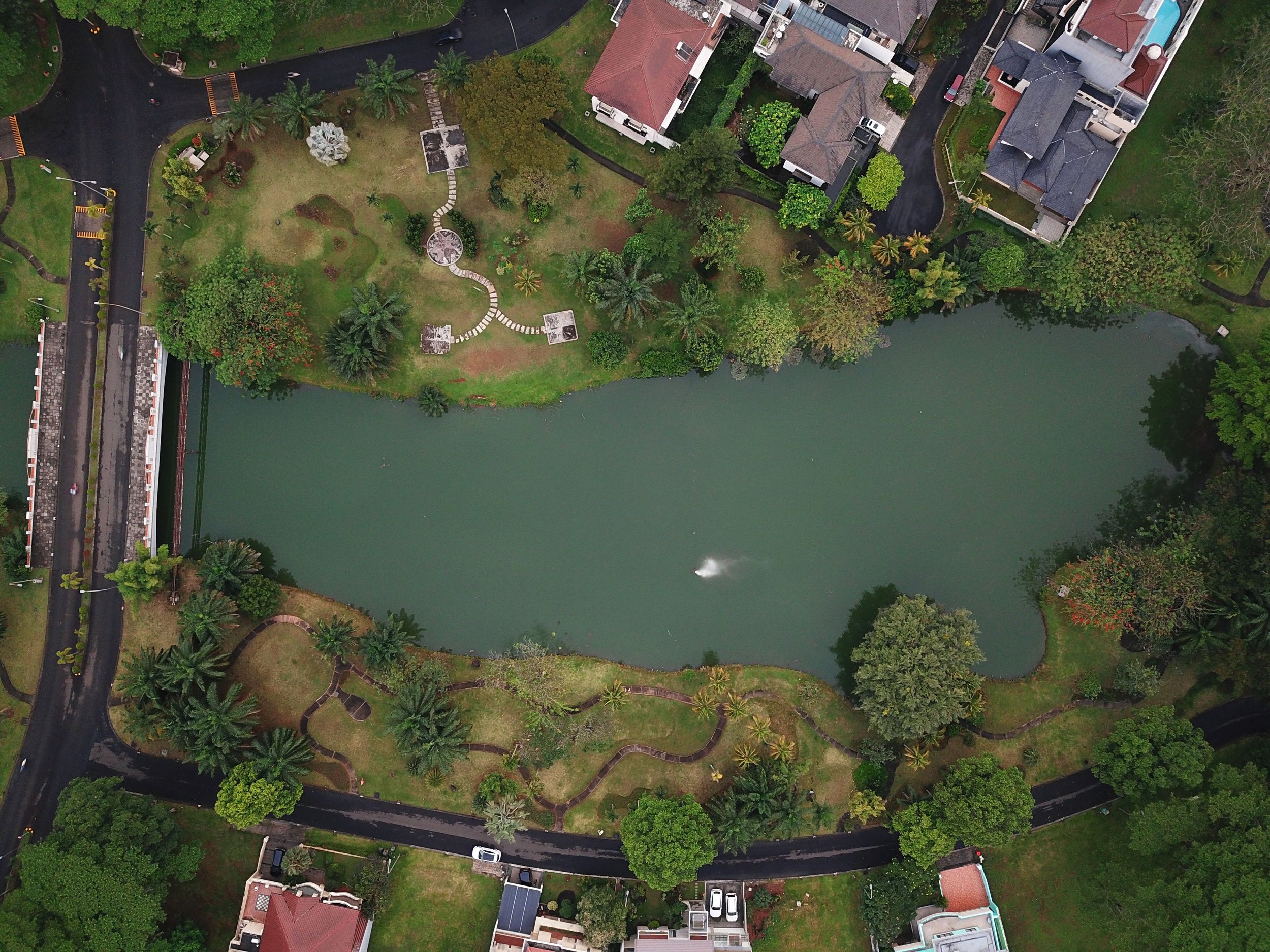
From there, the objective is straightforward: clearly define the problem, determine an appropriate solution, communicate the scope, mobilize efficiently, and complete the work with long-term system performance in mind. This approach helps eliminate unnecessary delays while reducing the likelihood that a project addresses only the symptom instead of the underlying cause.
For HOAs, golf courses, municipalities, developers, commercial properties, and other organizations responsible for stormwater infrastructure, having a clear process matters. When responsibilities, conditions, recommendations, and next steps are understood from the beginning, projects can move forward with fewer surprises and better outcomes.
Why Efficiency Matters in Stormwater and Erosion Control
Efficiency in stormwater management should not be confused with rushing. Moving quickly without properly understanding a drainage system can result in incomplete repairs, unnecessary work, or solutions that simply move a problem somewhere else. Effective project management combines timely action with a thorough understanding of the site.
Stormwater systems are interconnected. A visible area of erosion may be influenced by runoff entering from somewhere else on the property. Standing water may indicate an obstructed outfall rather than a problem with the pond itself. Sediment accumulation may originate from an unstable upstream slope. A damaged pond bank may be the result of concentrated flow, excessive water levels, poor vegetation establishment, or several factors working together.
For this reason, the fastest path to a successful project is often identifying the correct problem at the beginning.
When that initial evaluation is delayed or incomplete, the consequences can compound. An eroded area can continue losing soil during every subsequent rainfall event. Sediment transported from that area may accumulate in downstream infrastructure, reducing capacity and creating additional maintenance needs. If the original problem remains unresolved, repairing the downstream symptoms does little to improve long-term performance.
Timing also matters because stormwater infrastructure is continuously exposed to weather. Unlike many property maintenance projects, an active drainage problem does not necessarily remain static while stakeholders review options. The site may experience several rainfall events between the time a deficiency is identified and the time repairs begin.
That does not mean every stormwater deficiency requires emergency intervention. Risk should be evaluated based on site-specific conditions, system function, severity, regulatory requirements, and the potential consequences of additional deterioration. Some conditions can appropriately be incorporated into planned maintenance, while others warrant more immediate attention.
An efficient process helps distinguish between the two.
At Ecological Improvements, the goal is to provide enough technical understanding to make an informed decision without creating unnecessary complexity around that decision. Property owners should understand what is happening, why it matters, what should be addressed, and how the recommended work supports the larger stormwater system.
That clarity is especially important when multiple stakeholders are involved. HOA boards may need to approve expenditures. Property managers may need to coordinate access. Municipalities may have procurement or compliance requirements. Developers may be working within construction schedules. Golf courses and commercial properties may need work coordinated around ongoing operations.
A defined process makes those requirements easier to manage. Instead of allowing uncertainty to become another source of delay, each stage of the project establishes the information needed to move logically into the next.
The Ecological Improvements Process: From Site Walk to Completion
A successful stormwater project begins before equipment arrives on the property. The quality of the final result is heavily influenced by what happens during assessment, planning, communication, and mobilization.
Ecological Improvements uses a structured process that helps move projects forward while maintaining attention to the larger drainage system.
Site Walk and Assessment
The first step is understanding conditions on the ground.
Site plans, inspection reports, engineering documents, and maintenance records can provide valuable information, but they do not replace a physical assessment of current conditions. Stormwater systems change over time. Vegetation grows, sediment accumulates, slopes erode, structures deteriorate, surrounding land use changes, and previous repairs can alter drainage patterns.
A site walk provides the opportunity to evaluate those conditions directly.
Depending on the project, the assessment may include reviewing pond banks, outfall structures, inlet pipes, drainage channels, swales, erosion areas, sediment accumulation, vegetation, construction entrances, stabilization measures, and downstream discharge areas.
The team also considers how those components interact. If an area is eroding, where is the water coming from? If a pond is maintaining an unusually high water level, is the outfall restricted? If sediment is accumulating around a structure, what is contributing that material? If vegetation has become excessive, is it interfering with inspection access or hydraulic performance?
These questions help move the conversation from what is visible to why it is happening.
Walking the property with the client can also provide important operational context. Property managers, maintenance teams, board members, engineers, superintendents, and other stakeholders often know how a site behaves during rainfall. They may know where water historically collects, which areas have required repeated repairs, or what maintenance has already been performed.
Combining that site knowledge with a professional field assessment creates a stronger foundation for the project.
Review and System-Based Analysis
After field conditions are understood, the next step is determining what those conditions mean for the stormwater system as a whole.
This distinction is important because stormwater problems rarely exist in isolation.
Consider a pond bank with recurring erosion. Simply adding soil and seed may improve the appearance temporarily, but it will not provide a durable solution if concentrated runoff continues crossing the slope. Similarly, clearing vegetation from an outfall may improve accessibility, but additional work may be necessary if sediment has reduced the opening or the structure itself has deteriorated.
The objective is to understand the relationship between the visible deficiency and the processes contributing to it.
This system-based analysis also helps prioritize work. Not every observed condition has the same level of urgency or consequence. Some items may require prompt correction because they affect system function, while others can be incorporated into routine maintenance.
Establishing those priorities allows property owners to use maintenance budgets more strategically.
Rather than treating every deficiency as an independent project, Ecological Improvements considers how individual repairs fit within the long-term needs of the property. This can help reduce repeated mobilizations, identify opportunities to coordinate related work, and prevent resources from being directed toward temporary fixes that do not address underlying conditions.
Developing a Clear Stormwater Maintenance or Repair Proposal
Once the problem has been evaluated, the next step should make the decision easier, not more complicated.
A useful stormwater proposal should clearly connect observed conditions to recommended work. Property owners should be able to understand what is being addressed, what the proposed scope includes, and how that work contributes to system performance.
At Ecological Improvements, proposals are developed around actual site conditions rather than a predetermined package of services.
That distinction matters.
Stormwater properties vary considerably. Two ponds that appear similar may have different outlet structures, drainage areas, soil conditions, vegetation, regulatory requirements, maintenance histories, and surrounding infrastructure. Applying the same solution to both without evaluating those differences can result in unnecessary work or incomplete repairs.
A clear proposal should also establish appropriate expectations.
Some stormwater maintenance activities can be completed relatively quickly. Others require permitting, engineering coordination, specialized materials, access planning, dewatering, sediment management, or additional preparation. Identifying these considerations early makes scheduling more predictable and reduces the likelihood of unexpected delays after work begins.
For organizations with multiple decision-makers, proposal clarity becomes even more valuable.
An HOA board evaluating a pond repair may not include stormwater specialists. A commercial property owner may need to explain the project internally. A municipal representative may need documentation supporting procurement or maintenance decisions. A golf course may need to coordinate work around operations.
Technical information should therefore be accurate without becoming unnecessarily difficult to interpret.
Ecological Improvements focuses on explaining the problem and recommended solution in practical terms so stakeholders can make informed decisions. The objective is not to inflate the scope or introduce unnecessary complexity. It is to identify what the site needs and provide a clear path forward.
This approach can also support long-term budgeting.
If an assessment identifies immediate repairs along with conditions that are likely to require attention in the future, those needs can be considered separately. A property may address the highest-priority item now while planning additional preventive maintenance for a future budget cycle.
That is fundamentally different from waiting for every condition to become urgent.
A well-developed proposal becomes part of a larger asset-management process. It gives property owners a clearer understanding of current conditions while helping them anticipate what may come next.
Swift Mobilization Without Cutting Corners
Once a project is approved, the time between authorization and field work matters.
For active erosion, drainage restrictions, damaged outfalls, failing pond banks, or construction-related stormwater controls, unnecessary delays can allow conditions to deteriorate further. Every rainfall event introduces additional water into the system and creates another opportunity for soil movement, sediment transport, or infrastructure stress.
Efficient mobilization reduces that exposure.
However, mobilizing quickly does not mean bypassing necessary planning. Equipment access, materials, site protection, weather conditions, utilities, environmental considerations, and regulatory requirements may all need to be addressed before work begins.
The objective is to complete those steps efficiently and in the correct order.
Coordinating Equipment, Materials, and Site Access
Stormwater and erosion control work often requires specialized equipment. Depending on the project, crews may need excavators, skid steers, pumps, hauling equipment, erosion control materials, aggregate, stabilization products, or specialized access equipment.
Access can be particularly important around established stormwater ponds.
Many ponds are located behind homes, adjacent to golf course features, between commercial buildings, or within developed communities where large equipment cannot simply drive directly to the work area. Planning access in advance reduces disruption and helps protect surrounding landscaping and infrastructure.
Material selection also affects scheduling and long-term performance.
Erosion repairs may require soil, aggregate, geotextiles, erosion control blankets, turf reinforcement products, or other stabilization materials. Construction entrances may require appropriate stone and geotextile. Outfall work may involve riprap, pipe components, concrete repair materials, or stabilization measures.
Ensuring that the correct materials are available before mobilization reduces downtime once work begins.
Working Around Weather
Weather is an unavoidable factor in stormwater work.
Ironically, the systems being repaired are the same systems responsible for managing rainfall. Excavation, grading, bank stabilization, vegetation establishment, and sediment removal may all be affected by wet conditions.
Efficient contractors account for these constraints rather than ignoring them.
Scheduling should consider both current site conditions and anticipated weather whenever possible. If work exposes soil, temporary stabilization may be required. If heavy rainfall is approaching, certain activities may need to be sequenced differently to protect the site.
Efficiency comes from anticipating these conditions and adjusting appropriately rather than pushing forward in ways that create additional problems.
Completing Stormwater Work With Long-Term Performance in Mind
Completion should mean more than removing equipment from the property.
A successful stormwater project should leave the site functioning better and positioned for continued performance. That requires attention to grading, stabilization, vegetation, drainage pathways, erosion protection, and the surrounding components that influence the repaired area.
Consider an erosion repair along a pond bank.
Restoring the slope may involve reshaping the affected area, replacing lost soil, installing appropriate stabilization, and establishing vegetation. However, if runoff from an adjacent surface continues concentrating at the same location, the repaired slope may begin eroding again.
The long-term solution therefore requires considering both the damaged slope and the source of the water affecting it.
The same principle applies to outfall maintenance.
Removing debris from an outlet structure can restore flow, but crews should also evaluate surrounding vegetation, sediment accumulation, erosion at the discharge point, and accessibility for future inspections. Addressing those related conditions helps protect the value of the immediate maintenance work.
Attention to detail during completion also affects how quickly disturbed areas stabilize.
Exposed soils are particularly vulnerable to rainfall. Proper final grading, seeding, erosion control blankets, matting, or other stabilization measures can help protect disturbed areas while vegetation becomes established.
For construction-related work, stabilization is also an important component of sediment control and regulatory compliance. Sites should not be considered complete simply because major earthmoving activities have ended. Final stabilization and removal or conversion of temporary controls must be managed appropriately.
This is one reason Ecological Improvements approaches stormwater, erosion control, clearing, grading, and related site work as connected disciplines.
The grading affects drainage. Drainage affects erosion. Erosion generates sediment. Sediment affects stormwater structures and downstream water quality. Vegetation affects stabilization and maintenance access.
Treating those elements as parts of one system creates better long-term outcomes than addressing each one independently.
Why Delaying Stormwater Maintenance Can Increase Long-Term Costs
Not every stormwater deficiency requires immediate construction, but indefinitely postponing known maintenance needs can increase both the scope and cost of future work.
Erosion provides a straightforward example.
A small area of exposed soil may initially require limited grading and stabilization. If runoff continues moving across that area, additional soil is lost during subsequent storms. The erosion channel expands, vegetation is undermined, and sediment moves downstream.
Eventually, what began as a relatively contained stabilization project may require substantial earthwork, sediment removal, structural stabilization, or repairs to nearby infrastructure.
Outfalls follow a similar progression.
Vegetation growing around an outlet structure may initially represent an accessibility and maintenance concern. Over time, accumulated organic material and sediment can further restrict the opening. Elevated water levels may increase stress on pond banks, and persistent saturation may contribute to slope instability.
Construction entrances and sediment controls can also deteriorate gradually.
A construction entrance that is not maintained may become filled with sediment and lose its ability to reduce tracking onto public roads. Silt fence that has been undermined or overtopped may no longer provide effective sediment control. Inlets can become clogged with sediment and debris, reducing drainage capacity.
Routine inspection identifies these conditions before they develop into more significant deficiencies.
There is also a financial planning advantage to early identification.
Emergency work frequently carries costs that planned maintenance does not. Equipment and crews may need to mobilize quickly. Temporary measures may be required before permanent repairs can begin. Additional areas may have been damaged while the original problem progressed.
Planned work provides more flexibility.
Property owners can evaluate priorities, coordinate budgets, schedule around operations, and potentially combine related maintenance activities into a single mobilization.
For HOAs and other organizations with annual budgeting processes, this distinction is particularly important. Inspection and documentation can help boards understand upcoming infrastructure needs before those needs become unexpected expenses.
The objective is not to treat every deficiency as an emergency. It is to understand the condition of the system well enough to make informed decisions about what should be addressed now, what should be monitored, and what should be planned for the future.
The Importance of Communication Throughout a Stormwater Project
Technical capability is only one component of efficient project delivery. Communication affects how quickly decisions are made, how accurately expectations are established, and how smoothly work proceeds once crews arrive.
Stormwater projects often involve several stakeholders.
A property manager may coordinate the project while an HOA board approves the expenditure. An engineer may provide technical requirements while a contractor performs the work. A municipality may have inspection or permitting responsibilities. Residents, tenants, golfers, employees, or visitors may be affected by temporary access restrictions.
Without clear communication, even relatively straightforward projects can become unnecessarily complicated.
The initial site walk provides an opportunity to establish a shared understanding of the problem. The proposal translates that understanding into a defined scope. Scheduling communication establishes expectations for mobilization, access, and anticipated duration. Field coordination helps address site-specific conditions that arise during construction.
Documentation at completion creates a record of what was performed.
This process is particularly valuable for stormwater systems because maintenance responsibility often changes over time.
Property managers change. HOA boards rotate. Maintenance employees leave. Municipal staff members move into different roles. Without documentation, institutional knowledge about the stormwater system can disappear.
Inspection reports, proposals, photographs, maintenance records, and repair documentation help preserve that history.
These records can support future maintenance decisions and provide useful information when new concerns arise. If recurring erosion develops in an area that was previously repaired, historical documentation can help determine what work was performed and whether site conditions have changed.
Good communication also allows contractors to explain when the original scope should be reconsidered.
Field conditions are not always fully visible before construction begins. Buried infrastructure, subsurface conditions, concealed deterioration, or unexpected sediment depths may only become apparent after work starts.
When that occurs, the appropriate response is not to proceed without discussion. The condition should be documented, explained, and incorporated into an informed decision about the next step.
Efficient project management creates room for those conversations without allowing them to unnecessarily stall the entire project.
How a System-Based Approach Improves Project Efficiency
One of the most effective ways to improve stormwater project efficiency is to stop treating individual deficiencies as unrelated maintenance items.
A stormwater pond, for example, includes far more than water and a shoreline.
The system may include inlet pipes, forebays, side slopes, vegetation, permanent pool storage, sediment storage, outlet structures, emergency spillways, downstream channels, access routes, and surrounding drainage areas.
Each component affects the others.
If upstream erosion generates excessive sediment, the pond may lose storage capacity faster. If an outlet becomes restricted, water levels may remain elevated and affect bank stability. If pond banks lose vegetation, erosion can contribute additional sediment to the basin. If access routes become overgrown, routine inspections and maintenance become more difficult.
Understanding these relationships makes maintenance more efficient because it allows the root cause of a problem to be addressed alongside the visible symptom.
This approach can also identify opportunities to coordinate work.
If equipment is already mobilized to restore an eroded pond bank, it may make sense to evaluate nearby sediment accumulation, vegetation, access, and outlet conditions during the same project. That does not mean automatically expanding the scope. It means considering whether related maintenance can be completed more efficiently while crews and equipment are already onsite.
For larger properties and municipalities, system-based planning can extend across multiple stormwater assets.
Instead of responding independently to each maintenance request, inspections can be used to establish priorities across ponds, channels, outfalls, drainage structures, and erosion areas. Assets can then be categorized based on condition, functional importance, and anticipated maintenance needs.
This creates a more strategic approach to stormwater management.
Resources can be directed toward the conditions that have the greatest effect on system performance while lower-priority items are monitored and incorporated into future maintenance cycles.
Ecological Improvements uses this broader perspective because stormwater performance depends on systems, not isolated repairs. Efficient project delivery begins with understanding those relationships.
Efficiency and Regulatory Readiness
Stormwater maintenance also exists within a regulatory framework.
Municipalities, developers, commercial properties, and other responsible parties may have inspection, maintenance, documentation, and water-quality obligations depending on the site and jurisdiction. Construction projects may also be subject to erosion and sediment control requirements that change as site conditions and phases of work progress.
Efficient project management supports compliance by making inspection, maintenance, and documentation part of the normal workflow.
Waiting until an inspection identifies a deficiency can create unnecessary pressure. The responsible party may suddenly need to evaluate the problem, obtain pricing, approve work, schedule contractors, and document corrective action within a limited timeframe.
Routine assessments provide more control over that process.
Potential deficiencies can be identified before they become compliance concerns, allowing maintenance to be planned rather than performed reactively.
For construction sites, the same principle applies to clearing, grading, construction entrances, sediment controls, and stabilization.
Controls should evolve with the site.
As grading progresses, drainage patterns change. Areas that previously received little runoff may begin receiving concentrated flow. Temporary controls may need to be moved, repaired, reinforced, or replaced. Stabilized areas may need to be protected from subsequent construction traffic.
Efficiency in this context means keeping erosion and sediment control measures aligned with actual field conditions.
This is another reason site walks are valuable. Plans establish the intended system, but field conditions determine how that system is currently performing.
Combining both perspectives helps maintain regulatory readiness while supporting practical site operations.
Why Doing the Job Right the First Time Matters
Efficiency is often measured by how quickly a project is completed, but speed alone is an incomplete measure.
A repair completed quickly but repeated six months later is not particularly efficient.
True efficiency considers the entire life of the solution.
That means understanding why the problem occurred, selecting appropriate materials and methods, preparing the site correctly, completing the work carefully, and leaving the repaired area positioned for long-term performance.
For erosion control, that may mean correcting drainage before stabilizing the slope. For pond maintenance, it may mean addressing both excessive vegetation and the accessibility conditions that allowed maintenance to lapse. For an outfall, it may mean removing an obstruction while also evaluating sediment, structural condition, and downstream erosion.
For clearing and grading projects, it means establishing appropriate drainage patterns and stabilization rather than simply moving soil as quickly as possible.
These decisions influence how often future maintenance will be required.
Stormwater infrastructure will always require ongoing inspection and maintenance. No repair eliminates that responsibility. However, thoughtful project execution can reduce avoidable repeat work and make future maintenance easier.
That is where attention to detail becomes part of efficiency rather than something that competes with it.
Proper grading reduces opportunities for unintended ponding. Appropriate vegetation helps stabilize soil. Clear access routes make inspections easier. Documented repairs provide information for future maintenance teams.
Each decision supports the next stage of the asset's life.
At Ecological Improvements, the objective is not simply to complete a scope of work and move to the next project. The objective is to leave the stormwater system functioning more effectively and the client with a clearer understanding of how to maintain it going forward.
From Assessment to Completion, Ecological Improvements Keeps Projects Moving
Stormwater and erosion control projects require technical knowledge, field experience, clear communication, and coordinated execution. When one of those elements is missing, projects can stall or produce solutions that fail to address the underlying problem.
Ecological Improvements has built its process around connecting those elements.
It begins with the site walk because field conditions matter. It continues with system-based analysis because the visible problem may not be the root cause. It moves into a clear proposal because clients need enough information to make informed decisions. Once approved, coordinated mobilization helps reduce unnecessary delays.
During construction and maintenance, attention remains focused on both immediate scope and long-term performance.
This process applies across a wide range of stormwater and site needs, including erosion control, sediment control, stormwater pond maintenance, outfall maintenance, vegetation management, clearing and grading, construction entrances, stabilization, and related infrastructure work.
The specific solution changes from property to property, but the underlying approach remains consistent: understand the site, identify the problem, define the appropriate work, communicate clearly, and execute efficiently.
That consistency is particularly valuable for organizations responsible for multiple stormwater assets.
HOAs need contractors who can help boards understand infrastructure needs. Golf courses require work that accounts for drainage performance and ongoing property operations. Municipalities need reliable execution and documentation. Developers need erosion and sediment controls that keep pace with changing construction conditions. Commercial properties need maintenance strategies that protect infrastructure without creating unnecessary disruption.
Ecological Improvements works within those operational realities while maintaining a system-based approach to stormwater management.
Efficiency ultimately means reducing the distance between identifying a problem and implementing the right solution.
It does not mean skipping assessment, minimizing communication, or choosing the quickest temporary repair. It means removing unnecessary friction from the process while preserving the technical steps that create better outcomes.
Plan Your Next Stormwater or Erosion Control Project With Ecological Improvements
If erosion, sediment accumulation, pond maintenance, an outfall issue, or another stormwater concern has already been identified on your property, the next step should be understanding the condition and establishing a clear path forward. Allowing known problems to remain unaddressed can increase maintenance requirements and make future repairs more complicated.
Ecological Improvements provides site assessments, stormwater maintenance, erosion and sediment control, pond services, outfall maintenance, clearing and grading, construction entrance installation and maintenance, and related site solutions. Our team evaluates each project within the context of the larger drainage system so recommendations address both immediate conditions and long-term performance.
From the initial site walk through project completion, our process is designed around clear communication, appropriate planning, efficient mobilization, and detailed field execution. Contact Ecological Improvements to schedule a site assessment and determine the appropriate next steps for your property.