Is Your Stormwater Vegetation Supporting System Performance?
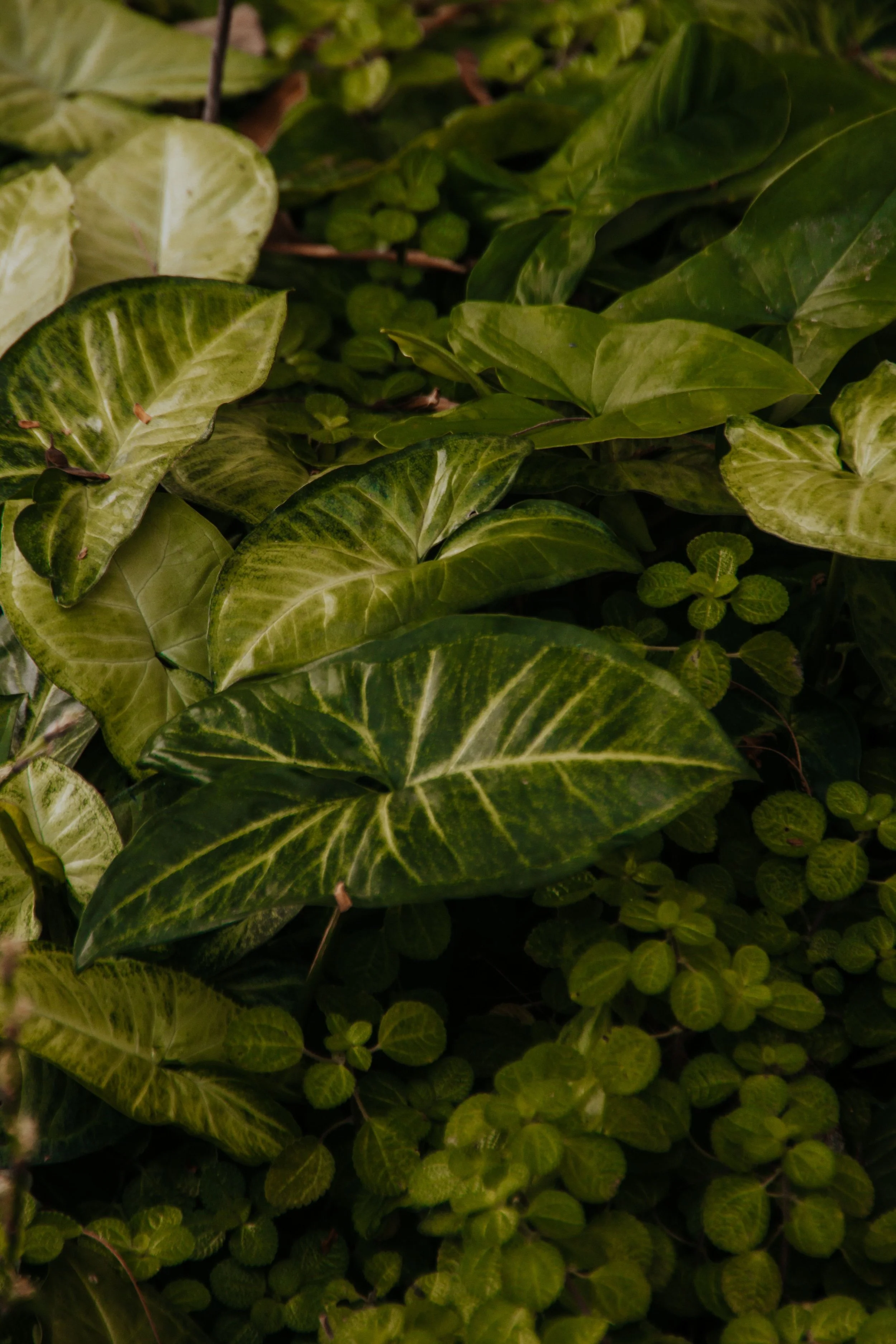
Across the Southeast, stormwater management is increasingly focused on long-term performance rather than simply installing a best management practice and assuming it will continue functioning indefinitely. Properties must manage runoff, stabilize disturbed soils, control sediment, protect receiving waters, and maintain stormwater infrastructure over time. As inspection programs and maintenance expectations become more detailed, the condition of the vegetation surrounding stormwater systems deserves greater attention.
Vegetation is not simply an aesthetic feature around a pond, swale, forebay, shoreline, or drainage channel. When properly selected and established, plants become functional components of the stormwater system. Root systems reinforce soil, above-ground vegetation slows runoff, plant communities help capture sediment, and appropriately designed vegetated areas can contribute to pollutant reduction and water-quality treatment.
This makes sustainable planting an important part of long-term stormwater management. Traditional erosion control methods such as riprap, turfgrass, erosion control blankets, and structural stabilization remain appropriate in many applications, but no single solution is right for every site. In areas where vegetation can provide effective stabilization, native and site-appropriate plantings can complement structural controls while creating a system that becomes more established over time.
At Ecological Improvements, we approach planting design from this functional perspective. Plant selection should reflect hydrology, soil conditions, anticipated water levels, maintenance requirements, erosion pressures, and the intended function of the stormwater best management practice. The objective is not simply to make a stormwater feature look more natural. It is to establish vegetation that supports the performance and longevity of the larger system.
Why Vegetation Is an Important Part of Stormwater Infrastructure
Stormwater infrastructure is often associated with physical structures: pipes, inlets, outlet control structures, culverts, concrete channels, detention basins, and drainage networks. However, vegetation can also perform important engineering and ecological functions within a stormwater system.
The key is understanding that not all vegetation provides the same benefits.
A mature tree, turfgrass lawn, native wetland planting, invasive shrub, and deep-rooted native grass interact with soil and water differently. Effective stormwater vegetation management therefore requires more than allowing plants to grow wherever they become established.
Plants should be selected and managed according to the function of the area.
Root Systems and Soil Stabilization
One of the most direct benefits of vegetation is its ability to reinforce soil.
Rainfall striking bare soil can dislodge individual soil particles. Surface runoff then transports those particles downslope, creating rills, gullies, and eventually larger erosion failures. As erosion progresses, sediment can enter stormwater ponds, drainage structures, streams, and downstream waterways.
Vegetation interrupts this process in several ways.
Leaves and stems reduce the direct impact of rainfall on exposed soil. Surface vegetation slows runoff and increases resistance to flowing water. Below the surface, roots help bind soil particles together and increase resistance to erosion.
Different plant species develop different root structures. Some grasses produce dense fibrous root systems near the surface, while other native plants develop deeper roots that reinforce a larger soil profile. A diverse planting community can therefore provide multiple layers of stabilization.
This is particularly useful along stormwater pond banks and other areas exposed to changing moisture conditions.
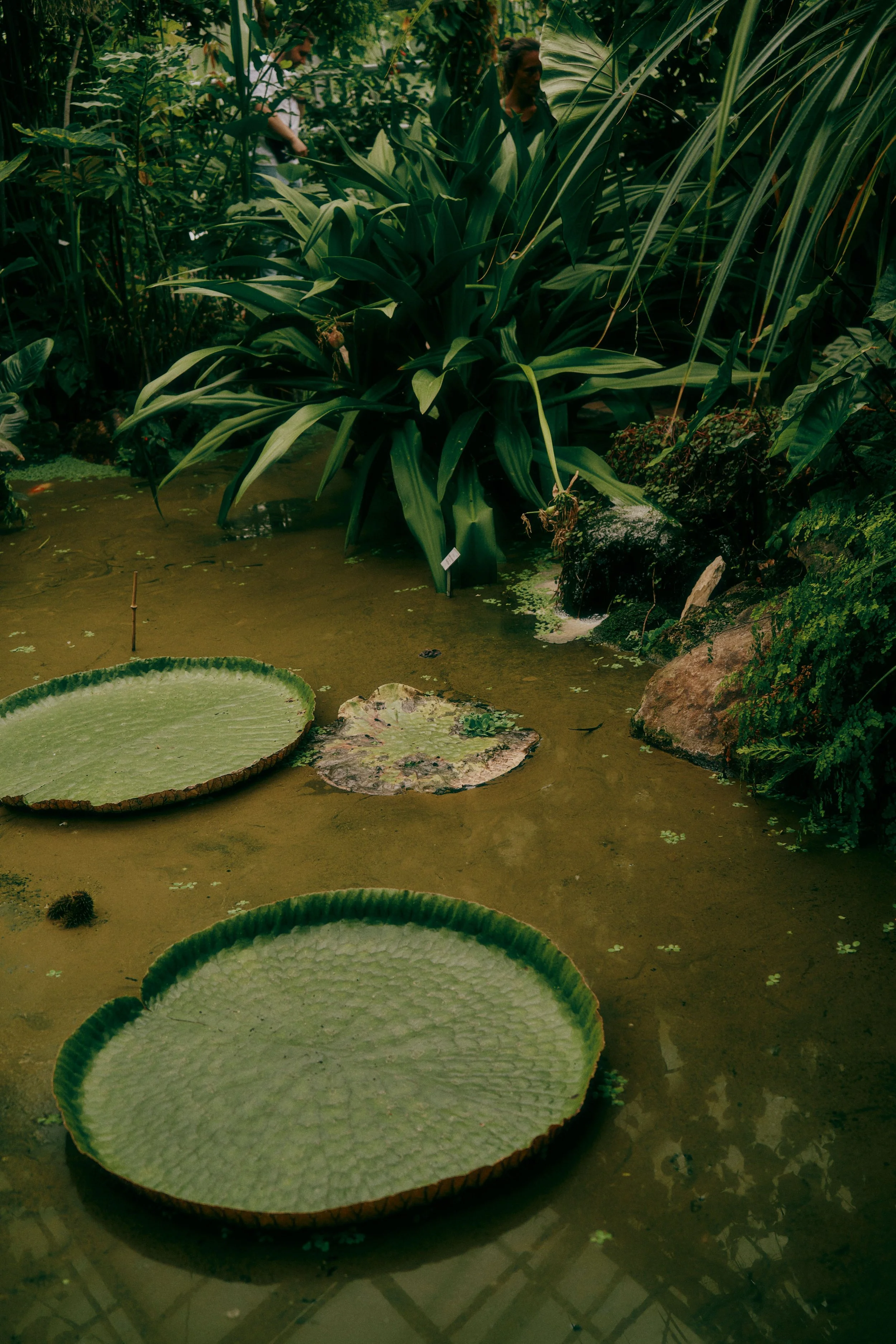
Turfgrass can provide effective stabilization in appropriate applications, especially where regular mowing and open access are required. However, turfgrass is not necessarily the best solution for every portion of every stormwater system. Areas subject to frequent saturation, fluctuating water levels, concentrated runoff, or shoreline erosion may benefit from plant communities better adapted to those specific conditions.
Vegetation and Runoff Velocity
Vegetation also influences how water moves across the landscape.
Bare or compacted surfaces provide relatively little resistance to runoff. Water can accelerate as it moves downslope, increasing its ability to detach and transport soil.
Dense vegetation creates physical resistance.
Stems, leaves, and ground-level plant material interrupt the flow path, reducing velocity and allowing some suspended material to settle. In properly designed vegetated stormwater practices, this slowing of runoff is part of the treatment process.
The effectiveness depends heavily on site conditions.
Vegetation cannot compensate for every hydraulic problem. Areas experiencing highly concentrated or high-velocity flows may require structural stabilization, energy dissipation, grading modifications, or other engineered controls. Attempting to solve an underlying hydraulic problem solely through planting can result in vegetation loss and recurring erosion.
This is why Ecological Improvements evaluates sustainable plantings as part of the larger system rather than as an isolated landscaping decision.
How Sustainable Plantings Support Erosion and Sediment Control
Erosion and sediment control are related but distinct processes. Erosion control focuses on preventing soil from becoming detached and transported in the first place. Sediment control focuses on capturing soil particles after erosion has occurred but before those particles leave the site or reach sensitive areas.
Healthy vegetation primarily contributes to the first objective. Establishing appropriate plant cover reduces the amount of exposed soil vulnerable to rainfall and runoff. Root systems reinforce the soil, while above-ground vegetation protects the surface. Preventing erosion at its source is generally preferable to repeatedly managing sediment downstream. Consider an unstable slope draining toward a stormwater pond.
If the slope remains poorly vegetated, rainfall can gradually remove soil from the surface. That sediment then enters the pond, where it begins reducing storage volume or accumulating around inlet and outlet structures. Over time, the property may need sediment removal, shoreline repairs, or more extensive restoration. Stabilizing the contributing area changes that process.
By reducing the amount of soil leaving the slope, the property also reduces the amount of sediment that downstream infrastructure must manage. This illustrates an important principle of system-based stormwater management: upstream conditions affect downstream maintenance requirements.
Reducing Recurring Erosion
Repeated erosion repairs are often a sign that the underlying conditions have not been adequately addressed. A contractor may add soil to an eroded slope, seed the area, and temporarily improve its appearance. If runoff remains concentrated across the same location or the selected vegetation is poorly suited to site conditions, erosion can return after the next series of significant storms.
Sustainable stabilization begins by understanding why the erosion is occurring. Is runoff concentrated from an upstream impervious surface? Is the slope too steep for the existing vegetation? Does the area remain saturated? Are water levels fluctuating along a pond shoreline? Is shade preventing turf establishment? Has maintenance activity repeatedly disturbed the soil?
The answers determine the appropriate solution. In some situations, drainage modifications may be necessary before planting. In others, erosion control matting or temporary stabilization may protect the soil while vegetation establishes. More severe hydraulic conditions may require structural stabilization. Planting becomes most effective when those conditions have been addressed.
Establishing Long-Term Ground Cover
Vegetation establishment should also be evaluated beyond the initial installation. Successful germination does not necessarily mean successful stabilization. Plants need sufficient time to develop root systems capable of resisting site-specific erosion pressures. During this establishment period, temporary erosion control products may still play an important role. Once established, properly selected vegetation can provide increasingly effective soil protection.
This creates a transition from temporary stabilization to long-term living cover. Rather than relying indefinitely on temporary erosion control measures, the site develops a permanent vegetative system adapted to the conditions it experiences.
Sustainable Plantings and Stormwater Water Quality
Stormwater management is not limited to controlling the quantity of runoff. Water quality is also an important component of many stormwater programs. As runoff moves across roads, parking lots, lawns, construction sites, commercial properties, and developed landscapes, it can carry sediment, nutrients, organic material, and other pollutants into drainage systems. Stormwater BMPs are designed in part to reduce the amount of this material reaching downstream waters. Vegetation can contribute to that process.
Capturing Sediment
When runoff moves through dense vegetation, water velocity can decrease. Reduced velocity allows some suspended sediment to settle rather than continuing downstream. This is one reason vegetated buffers, swales, and similar practices can play an important role within stormwater treatment systems.
However, vegetation should not be viewed as a substitute for proper erosion control. A vegetated area receiving excessive sediment loads can eventually become overwhelmed. Sediment accumulation may bury plants, alter grades, redirect flow, or reduce the intended function of the BMP.
The better strategy is to combine source stabilization with downstream treatment. Prevent as much erosion as practical upstream, then use appropriately designed stormwater practices to manage the remaining runoff.
Nutrient Management
Vegetation can also contribute to nutrient uptake. Nitrogen and phosphorus are naturally present in ecosystems, but excessive concentrations can contribute to water-quality problems in downstream ponds, lakes, rivers, and estuaries. Plants require nutrients to grow. As vegetation develops, nutrients can be incorporated into plant biomass. Soil and microbial processes within vegetated systems can also contribute to nutrient transformation and retention.
The actual treatment performance of any stormwater practice depends on design, hydrology, soils, vegetation, maintenance, and other site-specific factors. It would therefore be inaccurate to assume that simply installing native plants automatically resolves a nutrient problem. Plantings work best as one component within a broader water-quality strategy.
Protecting Receiving Waters
The condition of a single stormwater property can influence water quality well beyond its boundaries. Runoff moves downstream through interconnected drainage networks. Sediment leaving an unstable slope may enter a pond, pass through an outfall, travel through a drainage channel, and eventually reach a creek, river, wetland, or estuary.
Preventing that sediment movement at the source provides benefits throughout the system. For properties in environmentally sensitive watersheds, this relationship becomes particularly important.
Effective vegetation management can support broader efforts to reduce sediment transport, improve runoff treatment, and protect receiving waters.
Native Plants as Living Stormwater Infrastructure
Native plants have become increasingly important in stormwater design because many species are naturally adapted to regional climate, soils, hydrology, and ecological conditions. That does not mean every native plant belongs in every stormwater BMP.
The term "native" describes geographic origin, not universal suitability. A native upland plant may perform poorly in a frequently inundated pond shelf, while a wetland species may be inappropriate on a dry upper slope. Successful planting design therefore requires matching individual species to specific hydrologic zones.
Matching Plants to Water Levels
Stormwater ponds experience different moisture conditions at different elevations. Plants near the permanent water line may experience frequent inundation and fluctuating water levels. Slightly higher elevations may remain moist but rarely submerged. Upper slopes may experience comparatively dry conditions between rainfall events. A sustainable planting design recognizes these differences.
Species should be selected based on the conditions they are likely to experience after installation, not simply based on appearance or availability. This principle also applies to swales, bioretention areas, forebays, and other BMPs.
Some portions of these systems may regularly receive runoff, while others remain comparatively dry. Establishing different vegetation zones can improve plant survival and create more consistent coverage across the practice.
Building Root Diversity
Diverse planting communities can also provide different root structures within the soil. Fibrous-rooted grasses can create dense reinforcement near the surface. Sedges and rushes may perform well in wetter areas. Other herbaceous species can contribute deeper roots and additional soil structure.
The objective is functional diversity. A stormwater planting should be evaluated according to how well it stabilizes soil, tolerates site conditions, supports BMP function, and can be maintained over time.
Visual appearance remains relevant, particularly in residential communities, commercial properties, and golf courses, but aesthetics should complement function rather than replace it.
Establishment Is Part of the Design
Native plants are sometimes described as low-maintenance, but that phrase can be misleading. New plantings require establishment. Watering, invasive species control, replacement of unsuccessful plants, temporary erosion protection, and periodic inspection may all be necessary during the first growing seasons.
Long-term maintenance requirements may decrease as the planting becomes established, but sustainable does not mean maintenance-free. Setting realistic expectations at the beginning helps protect the investment and supports long-term performance.
Sustainable Plantings Around Stormwater Ponds
Stormwater ponds present one of the clearest opportunities to integrate vegetation into infrastructure management. Pond banks must tolerate rainfall, runoff, changing water levels, wave action, maintenance activities, and in some locations, wildlife pressure. These conditions make vegetation selection particularly important. A uniform turfgrass shoreline may be appropriate for some ponds, but it can create limitations in others.
Where mowing extends directly to the waterline, maintaining dense turf can be difficult. Saturated soils may not support conventional turf species, and mowing equipment operating close to the shoreline can disturb soils or create maintenance challenges. Strategically designed shoreline vegetation can provide an alternative.
Plants adapted to wet conditions can occupy lower portions of the bank, while species suited to transitional and upland conditions can stabilize higher elevations. This creates a vegetated system that responds to the pond's hydrology.
Protecting Pond Banks
Bank erosion can occur for several reasons, including fluctuating water levels, surface runoff, wave action, poor vegetation coverage, steep slopes, and concentrated flow. Vegetation can help address some of these conditions by reinforcing the soil and protecting the surface.
However, severe bank instability should be evaluated before planting. If a slope has already experienced significant failure, simply installing vegetation may not restore the geometry or structural stability necessary for long-term performance. Regrading, soil replacement, structural reinforcement, erosion control products, or other repairs may need to occur first. Planting then becomes part of the stabilization system rather than a substitute for necessary repair.
Creating Maintenance Access
Vegetation management must also account for inspection and maintenance. Dense plantings should not prevent access to outfalls, inlet structures, emergency spillways, pond banks, or other critical infrastructure.
This is an important distinction between intentional planting and unmanaged overgrowth. A sustainable stormwater landscape is not one where vegetation is allowed to grow without control. It is one where plant communities are deliberately located and maintained according to the needs of the infrastructure. Access corridors, structure clearances, and maintenance zones should be incorporated into the planting plan. This allows ecological and stabilization benefits to coexist with practical asset management.
How Sustainable Plantings Support Stormwater BMP Performance
Best management practices depend on specific physical and hydraulic processes to function correctly. Vegetation can support many of those processes when appropriately incorporated into the design.
Vegetated Swales
Vegetated swales convey runoff while using vegetation and surface roughness to reduce velocity and, depending on design, support filtration and infiltration. Healthy vegetation helps protect the swale from erosion while maintaining the intended flow path.
Maintenance should prevent bare areas, excessive sediment accumulation, and vegetation conditions that unintentionally obstruct drainage.
Forebays
Forebays are intended to capture sediment before runoff enters the primary treatment area of certain stormwater systems. Vegetation surrounding these areas can stabilize soils and reduce additional sediment contributions.
However, forebays still require periodic inspection and sediment removal. Plantings should not prevent equipment access or obscure conditions that need maintenance.
Level Spreaders
Level spreaders are designed to distribute concentrated runoff across a wider area. Their effectiveness depends on maintaining appropriate grading and stable vegetation downstream. If the receiving area becomes bare or eroded, concentrated flow paths can redevelop, undermining the purpose of the practice. Vegetation is therefore directly connected to long-term level spreader performance.
Bioretention Areas
Bioretention practices use engineered soils, vegetation, and drainage components to manage and treat runoff. Plant selection is particularly important because species must tolerate alternating wet and dry conditions.
In these systems, vegetation is not decorative landscaping added after construction. It is part of the treatment practice itself. This distinction reinforces why stormwater planting decisions should be based on performance requirements rather than appearance alone.
Sustainable Plantings and Stormwater Compliance
Stormwater compliance requirements vary by jurisdiction, property type, permit, and specific BMP. There is no single planting strategy that guarantees compliance.
However, maintaining adequate stabilization and ensuring BMPs continue functioning as intended are common themes across stormwater management programs. Vegetation can support those objectives. Areas of exposed soil can become erosion sources. Unstable slopes can generate sediment. Poorly maintained BMPs may lose treatment capacity or develop hydraulic problems.
Routine vegetation inspection provides an opportunity to identify these conditions early. For construction sites operating under applicable NPDES requirements, stabilization is particularly important as disturbed areas transition through different stages of construction.
Temporary stabilization measures may be necessary when work pauses, while permanent stabilization is required as portions of the site reach final grade. Vegetation establishment should therefore be treated as part of the construction sequence rather than an activity postponed until every other task has been completed.
For permanent stormwater infrastructure, inspection should continue after vegetation becomes established. Maintenance teams should evaluate plant coverage, erosion, invasive species, sediment accumulation, access to structures, and changes in drainage patterns. Documentation can support this process. Photographs, inspection reports, maintenance records, and planting plans create a history of site conditions and corrective actions. These records can help property owners demonstrate ongoing maintenance while making future decisions more informed.
For municipalities and MS4 programs, systematic vegetation management can also support broader stormwater asset-management objectives. Rather than responding only when erosion or overgrowth becomes severe, properties can incorporate planting inspection and maintenance into routine stormwater programs.
Designing Planting Systems for the Southeast
Regional conditions matter when selecting stormwater vegetation.
The Southeast presents a combination of high temperatures, humidity, heavy rainfall, extended growing seasons, and site-specific soil conditions. Coastal areas may introduce additional considerations such as salt exposure, tidal influence, sandy soils, or high groundwater.
Planting systems should reflect those realities.
At Ecological Improvements, planting recommendations are informed by established regional guidance, including resources from Clemson Extension and the South Carolina Department of Environmental Services where applicable. We also work with Charleston Aquatic Environment Nursery to source appropriate native stormwater species, including Clemson-verified selections where available and appropriate for the project.
This regional approach provides an important advantage.
Plants selected for stormwater applications should be capable of tolerating the conditions they will actually encounter. Selecting species based primarily on national planting lists or aesthetic preference can result in poor establishment if those plants are not suited to local hydrology and climate.
Site-specific conditions remain equally important.
Even properties located a few miles apart can have significantly different soils, shade conditions, drainage patterns, slopes, and maintenance requirements.
A planting plan should therefore begin with the site.
The evaluation may consider:
Soil moisture
Frequency and duration of inundation
Slope
Sun exposure
Existing vegetation
Erosion pressure
Water-level fluctuations
Maintenance access
Mowing requirements
Adjacent property uses
Wildlife pressure
Long-term inspection requirements
These factors help determine both species selection and planting layout.
The objective is to establish vegetation that remains functional rather than creating a planting that looks successful immediately after installation but declines because it is poorly matched to the site.
The Economics of Sustainable Stormwater Plantings
Sustainable planting should also be evaluated from an asset-management perspective. Stormwater infrastructure requires ongoing investment. Ponds accumulate sediment, vegetation changes, slopes erode, structures age, and drainage patterns evolve. The goal of proactive maintenance is not to eliminate every future expense. It is to reduce preventable deterioration and extend the useful life of existing infrastructure.
Vegetation can contribute to that objective by addressing one of the most common sources of stormwater maintenance problems: unstable soil. When soil remains in place, less sediment enters ponds, pipes, forebays, and channels. That can reduce the rate at which downstream maintenance needs develop. Consider a pond receiving runoff from several unstable slopes.
Every significant rainfall event transports additional soil into the basin. Over time, sediment accumulates and reduces effective storage volume. Eventually, mechanical sediment removal or dredging may be necessary. Stabilizing the contributing slopes does not remove sediment already present, but it can help reduce future loading. This is an example of preventive maintenance protecting a larger infrastructure investment. The same principle applies to bank repairs.
Repeatedly replacing eroded soil without establishing durable stabilization creates an ongoing maintenance expense. A more comprehensive repair may involve correcting drainage, reshaping the slope, installing temporary erosion protection, and establishing vegetation appropriate for the location. The initial scope may be more involved, but the objective is to reduce recurring repairs.
Economic value should therefore be evaluated across the life of the stormwater asset rather than solely according to the lowest immediate installation cost.
Why Sustainable Does Not Mean Maintenance-Free
One of the most important misconceptions surrounding native and sustainable plantings is that they can be installed and then ignored. Every stormwater BMP requires maintenance. Vegetated systems are no exception.
During establishment, plantings should be inspected for survival, erosion, invasive species, sediment accumulation, and unexpected water conditions. Some plants may fail because actual site conditions differ from expectations. Replacements may be necessary. Invasive species management can be particularly important.
Disturbed soils provide opportunities for aggressive vegetation to become established. Without management, invasive or undesirable species can outcompete intended plantings and alter the function of the area. Mature planting areas also require periodic maintenance.
That may include selective cutting, invasive species removal, replacement planting, debris removal, sediment management, and maintaining access around stormwater structures. The maintenance strategy should reflect the purpose of the area.
A native buffer around a pond should not necessarily be maintained like a conventional lawn. Frequent mowing may undermine the benefits of allowing deeper-rooted vegetation to establish. At the same time, unmanaged growth should not be allowed to obscure infrastructure or create access problems. The appropriate approach lies between those extremes.
Intentional management maintains the ecological and stabilization functions of the planting while ensuring the stormwater system remains accessible and inspectable. This is why long-term maintenance planning should begin during planting design rather than after installation.
The Future of Stormwater Compliance Is System-Based
The future of effective stormwater management will depend increasingly on understanding how individual components work together.
Pipes alone cannot solve every drainage problem. Ponds alone cannot protect downstream water quality. Structural erosion controls alone cannot prevent every soil loss issue. Vegetation alone cannot stabilize every hydraulic condition. Successful stormwater systems combine appropriate tools.
Structural infrastructure controls where and how water moves. Grading establishes drainage patterns. Erosion controls protect disturbed soils. Sediment controls capture transported material. Vegetation stabilizes surfaces and supports treatment processes. Routine inspections identify deterioration before performance is significantly affected. Each component supports the others.
Sustainable plantings fit naturally within this framework because they can perform multiple functions simultaneously. They can protect soil, slow runoff, contribute to water-quality treatment, support BMP performance, and provide habitat benefits where appropriate. As plants mature, root systems become more established and soil coverage improves. That ability to develop over time distinguishes living stabilization systems from many conventional materials.
However, sustainable planting should never become an excuse to ignore engineering requirements. Hydraulic capacity, structural stability, drainage patterns, maintenance access, and regulatory requirements must remain central to the design. The most effective approach combines ecological understanding with practical stormwater management. That is the approach Ecological Improvements applies to pond maintenance, erosion control, sediment control, outfall management, clearing and grading, construction entrances, stabilization, and sustainable planting.
Instead of viewing each service independently, we evaluate how decisions in one portion of the property influence performance elsewhere. A stable slope protects the pond below it. A properly maintained pond protects the outfall. A functioning outfall helps maintain appropriate water levels. Appropriate vegetation protects the slopes surrounding the entire system. That is what system-based stormwater management looks like in practice.
Build Long-Term Stormwater Performance With Ecological Improvements
Sustainable plantings can provide far more than visual improvements around stormwater infrastructure. When vegetation is selected according to hydrology, soil conditions, erosion pressures, BMP function, and regional conditions, it becomes a working component of the stormwater system.
Ecological Improvements helps HOAs, golf courses, municipalities, developers, and commercial properties evaluate stormwater systems from a long-term performance perspective. Our work integrates erosion control, sediment control, stormwater pond maintenance, outfall management, sustainable vegetation, clearing and grading, and other site needs into a coordinated strategy.
If your property has recurring erosion, unstable pond banks, exposed soil, poorly performing vegetation, sediment accumulation, or a stormwater BMP that needs restoration, the first step is understanding why the condition is occurring. From there, our team can determine whether sustainable plantings should be part of the solution and how they should integrate with the rest of the stormwater system.
Contact Ecological Improvements to schedule a site assessment and develop a practical maintenance or restoration strategy designed around long-term stormwater performance and regulatory readiness.