Stormwater Outfall Maintenance: Preventing Flooding Before It Starts
Stormwater systems are designed to protect communities by collecting, storing, and gradually releasing runoff during and after rainfall. While retention ponds often receive the most attention, the effectiveness of the entire system depends on every component functioning as intended. One of the most important yet commonly overlooked elements is the outfall structure.
Across the Lowcountry and throughout many regions of the Southeast, rainfall patterns have shifted toward shorter, more intense storm events. These storms place significantly greater demands on stormwater infrastructure than systems experience during routine weather. During these events, even a small restriction at an outfall can reduce a pond's ability to discharge water properly, creating a chain reaction that affects the entire drainage system.
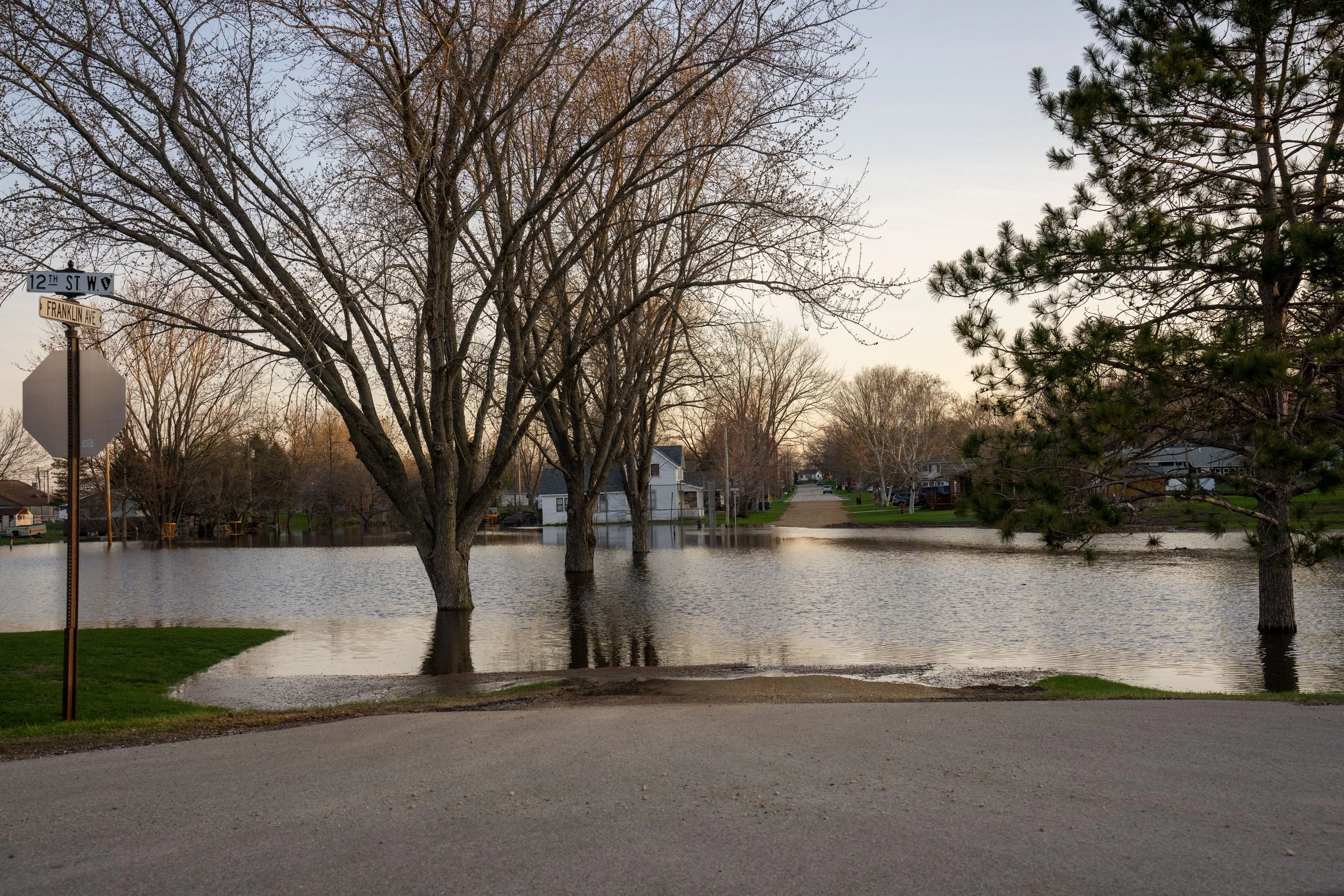
Many stormwater issues that appear to be caused by unusually heavy rainfall are actually the result of deferred maintenance. Debris accumulation, excessive vegetation, sediment buildup, damaged control structures, and deteriorating pipes all reduce the capacity of the system long before a major storm arrives. When rainfall exceeds normal conditions, these existing maintenance deficiencies quickly become visible.
At Ecological Improvements, routine inspections frequently identify outfall maintenance issues before they become emergency situations. Addressing these problems proactively helps extend the life of stormwater assets, reduces long-term maintenance costs, protects surrounding properties, and supports regulatory compliance. More importantly, it helps ensure that stormwater ponds perform as they were originally designed when communities need them most.
Understanding the Role of an Outfall in a Stormwater System
Every stormwater pond operates as part of a larger hydraulic system rather than as an isolated body of water. Runoff enters the pond through various inflow structures, temporarily stores within the basin, and exits through the outfall at a controlled rate. This controlled discharge protects downstream waterways while reducing flooding throughout the surrounding community.
The outfall structure serves as the system's controlled release point. Depending on the original engineering design, an outfall may include riser structures, outlet pipes, weirs, orifice plates, trash racks, energy dissipators, and emergency overflow features. Together, these components regulate water movement according to the pond's intended design storm.
During smaller rainfall events, the outfall gradually releases stored runoff while maintaining adequate storage capacity for future storms. During larger storm events, water elevations rise, activating additional portions of the outlet structure that increase discharge while still controlling downstream flow rates.
When every component remains clear and functional, this process happens automatically with little public notice. Property owners often assume the pond simply "works." In reality, successful stormwater performance depends upon years of routine inspection and maintenance that keep each component functioning properly.
Unfortunately, because outfalls are typically located along pond embankments or hidden by vegetation, they often receive far less attention than more visible portions of the property. As vegetation matures, sediment accumulates, and debris collects, accessibility decreases and maintenance becomes less frequent. Eventually, inspections become difficult, allowing small maintenance issues to develop into larger operational problems.
Common conditions that reduce outfall performance include:
Sediment accumulation around outlet structures
Tree limbs and woody debris blocking discharge
Dense vegetation restricting water flow
Pipe obstructions
Animal burrows damaging embankments
Corrosion of metal components
Concrete deterioration
Structural settlement
Damaged trash racks
Blocked emergency overflow structures
Each of these issues restricts the system's ability to move water efficiently. While the reduction in capacity may appear insignificant during normal rainfall, it becomes much more noticeable during high-intensity storms.
Stormwater infrastructure functions as an interconnected system. When one component underperforms, additional stress is transferred elsewhere. Water remains in the basin longer than intended, embankments experience increased hydraulic pressure, erosion accelerates, and downstream infrastructure may no longer receive flows at the expected rates.
This system-based perspective is why comprehensive inspections extend beyond simply confirming that water is flowing. Qualified inspections evaluate structural integrity, hydraulic capacity, sediment accumulation, vegetation management, and overall system performance to identify conditions before they compromise the pond during major rainfall events.
What Happens When Outfalls Become Clogged or Restricted
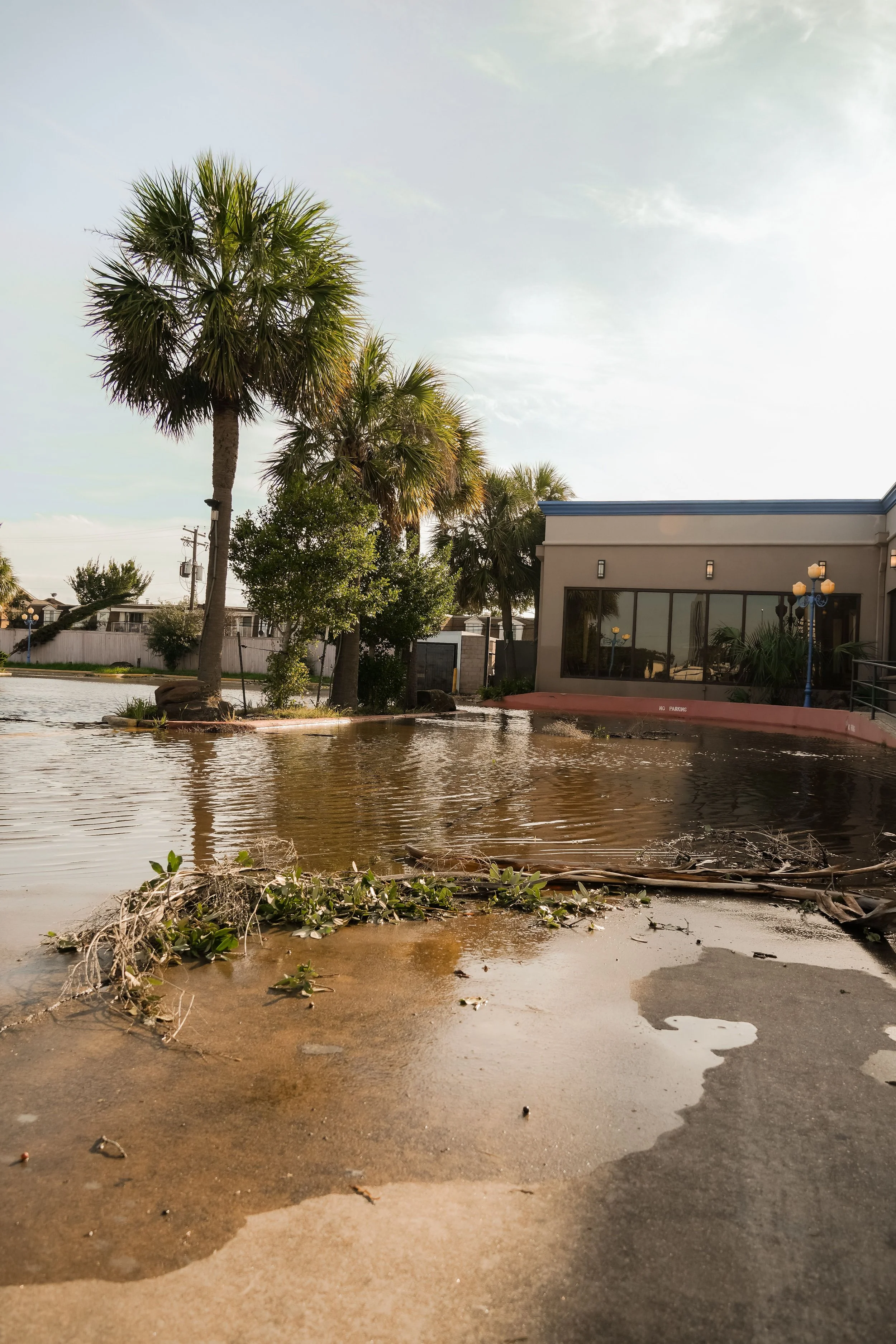
A clogged outfall rarely causes immediate failure. Instead, performance gradually declines as restrictions accumulate over time. Because this deterioration occurs slowly, many communities remain unaware that capacity has been reduced until the next significant storm exposes the problem.
Stormwater ponds are designed with calculated storage volumes based on engineering models. These calculations assume that water exits through the outlet structure at a specific rate. When the outlet becomes partially blocked, those assumptions are no longer valid.
Water begins accumulating faster than it can leave the pond. As rainfall continues, water elevations rise beyond anticipated levels, increasing hydrostatic pressure against pond embankments and placing additional stress on structural components.
Sediment Buildup
Sediment transported during runoff naturally settles around outlet structures. Over time, accumulated material reduces pipe openings and alters flow characteristics. If sediment is not periodically removed, discharge capacity continues decreasing year after year.
Vegetation Overgrowth
Healthy vegetation is essential throughout stormwater systems, but unmanaged growth directly around outlet structures creates maintenance challenges. Roots, dense grasses, shrubs, and invasive vegetation can obstruct access while physically restricting water movement.
Floating Debris
Branches, leaves, litter, and organic material frequently collect against trash racks and outlet openings during storm events. Without routine removal, these materials can significantly reduce discharge capacity even when the outlet itself remains structurally sound.
Structural Deterioration
Concrete structures, metal pipes, joints, and control mechanisms naturally age over decades of service. Corrosion, cracking, settlement, and joint separation may reduce performance even if visible blockages are absent.
As restrictions increase, operational consequences become more severe. Water remains in the basin longer than intended, and pond elevations stay elevated after storms instead of returning to normal operating levels. Future rainfall arrives before storage capacity has fully recovered, reducing the system's resilience during consecutive storm events.
Elevated water levels also increase pressure against pond slopes. Saturated embankments lose stability more easily, increasing the likelihood of erosion, slumping, and bank failures. Downstream impacts may also occur. If discharge paths become obstructed or emergency overflow structures activate unexpectedly, runoff may follow unintended flow paths, affecting adjacent properties, roads, utilities, and natural waterways.
Because these failures typically develop gradually, regular inspections provide the most effective opportunity to identify developing restrictions while maintenance remains relatively simple and cost-effective.
Why Major Rain Events Reveal Hidden Stormwater Problems
Heavy rainfall does not usually create stormwater problems on its own. Instead, it exposes weaknesses that have been developing throughout the system over months or years.
Across the Lowcountry, recent rainfall patterns have increasingly featured high-intensity precipitation over relatively short periods. These events generate large volumes of runoff quickly, placing substantial demands on drainage infrastructure.
Under normal conditions, partially restricted outfalls may still function adequately. Moderate storms produce manageable water volumes that slowly pass through the system despite reduced capacity. Property owners may never recognize a problem exists.
Major storm events change those conditions dramatically. Large runoff volumes enter stormwater ponds much faster than partially clogged outlets can discharge them. Water elevations increase rapidly, reducing available freeboard and placing additional stress on pond embankments.
If rainfall continues, ponds may exceed intended operating elevations. Emergency spillways activate, water overtops banks, or flooding occurs in areas never intended to store runoff.
The consequences often extend well beyond temporary flooding. Extended saturation weakens embankment soils, increasing erosion potential. Hydraulic forces remove protective vegetation, expose underlying soils, and accelerate bank failures. Infrastructure surrounding the pond, including sidewalks, roads, utilities, landscaping, and adjacent structures, may also experience damage.
Communities often assume the storm itself caused these failures. In many cases, inspections reveal that deferred maintenance significantly contributed to the outcome. A clean, properly functioning outlet structure can often process substantially more runoff than one partially restricted by sediment or vegetation. That additional capacity may determine whether a pond performs successfully during a major storm or experiences damaging overtopping.
Climate variability further reinforces the importance of proactive maintenance. While engineers design systems around established storm frequencies, increasingly intense rainfall patterns emphasize maintaining every available portion of existing hydraulic capacity.
Routine maintenance cannot eliminate every flooding risk during extraordinary weather. However, it helps ensure that stormwater infrastructure performs as effectively as possible within its original design parameters.
Building an Effective Outfall Inspection and Maintenance Program
Successful stormwater management depends on consistent preventive maintenance rather than reactive repairs. Waiting until visible flooding occurs often means maintenance opportunities have already been missed.
An effective outfall maintenance program begins with routine inspections conducted throughout the year rather than only after major storms.
Inspections should evaluate:
Structural condition of outlet components
Sediment accumulation
Vegetation management
Pipe condition
Hydraulic performance
Erosion around the outlet
Animal activity
Accessibility for maintenance
Safety concerns
Downstream discharge conditions
Following major rainfall events, additional inspections can identify storm-related damage before it progresses further.
Maintenance activities commonly include removing accumulated sediment, clearing debris, trimming vegetation around structures, repairing damaged concrete, replacing deteriorated components, restoring erosion protection, and documenting overall system conditions.
Documentation is an equally important component of proactive maintenance. Inspection records establish maintenance history, demonstrate responsible asset management, support regulatory compliance, and assist with long-term budgeting.
Communities operating under MS4 permits or other stormwater regulations particularly benefit from maintaining organized inspection records. Documentation helps demonstrate ongoing maintenance efforts while supporting future capital planning.
Preventive maintenance also improves budgeting. Routine cleanouts, vegetation management, and minor repairs generally cost significantly less than emergency mobilization, embankment reconstruction, pipe replacement, or flood damage restoration. Identifying developing problems early allows property managers and municipalities to schedule repairs during normal maintenance cycles rather than responding during emergency conditions.
At Ecological Improvements, inspections focus on the entire stormwater system rather than isolated components. Evaluating inflows, pond conditions, embankments, outfalls, downstream channels, and surrounding infrastructure provides a more complete understanding of overall system performance.
This comprehensive approach allows maintenance priorities to be established before small deficiencies affect larger portions of the drainage network.
How Ecological Improvements Helps Communities Protect Their Stormwater Infrastructure
Stormwater systems represent long-term infrastructure investments that require ongoing professional management to remain effective throughout their service life.
At Ecological Improvements, outfall inspections are approached as part of a comprehensive stormwater management strategy rather than a standalone maintenance task. Every inspection considers how individual components interact with the larger drainage system and how current conditions may affect future performance.
Inspection teams evaluate structural integrity, hydraulic function, sediment accumulation, vegetation management, erosion, accessibility, and regulatory considerations. This comprehensive assessment provides property owners with a clear understanding of current conditions while identifying maintenance priorities before they become emergencies.
Maintenance recommendations are based on observed field conditions, engineering principles, and practical long-term asset management. Rather than focusing solely on immediate repairs, recommendations emphasize preserving system performance over the life of the infrastructure.
Our services commonly include:
Outfall inspections
Stormwater pond assessments
Sediment removal planning
Vegetation management
Erosion repair recommendations
Drainage system evaluations
Compliance documentation
Long-term maintenance planning
Many communities contact Ecological Improvements after flooding has already occurred. While emergency response remains an important service, the greatest value often comes from helping clients avoid those emergencies altogether through routine inspections and scheduled maintenance.
Well-maintained outfalls help protect surrounding properties, preserve pond performance, reduce infrastructure deterioration, and support regulatory compliance. Most importantly, they allow stormwater systems to perform as intended when significant rainfall places the greatest demands on the entire drainage network.
As rainfall intensity continues changing across many regions, proactive maintenance becomes increasingly important. A properly functioning outfall is not simply another pond component. It is a critical element that influences how effectively the entire stormwater system manages runoff during both routine storms and major rainfall events.
Protect Your Stormwater System Before the Next Major Storm
Waiting until flooding occurs often results in more extensive repairs, higher costs, and greater disruption to your property. Routine outfall inspections and preventive maintenance help identify developing issues early, allowing your stormwater system to operate as designed when heavy rainfall arrives.
Ecological Improvements provides comprehensive stormwater inspections, maintenance planning, and long-term management solutions for HOAs, municipalities, golf courses, commercial properties, and developers. Contact our team to schedule an evaluation and develop a proactive maintenance strategy that protects your infrastructure for years to come.