
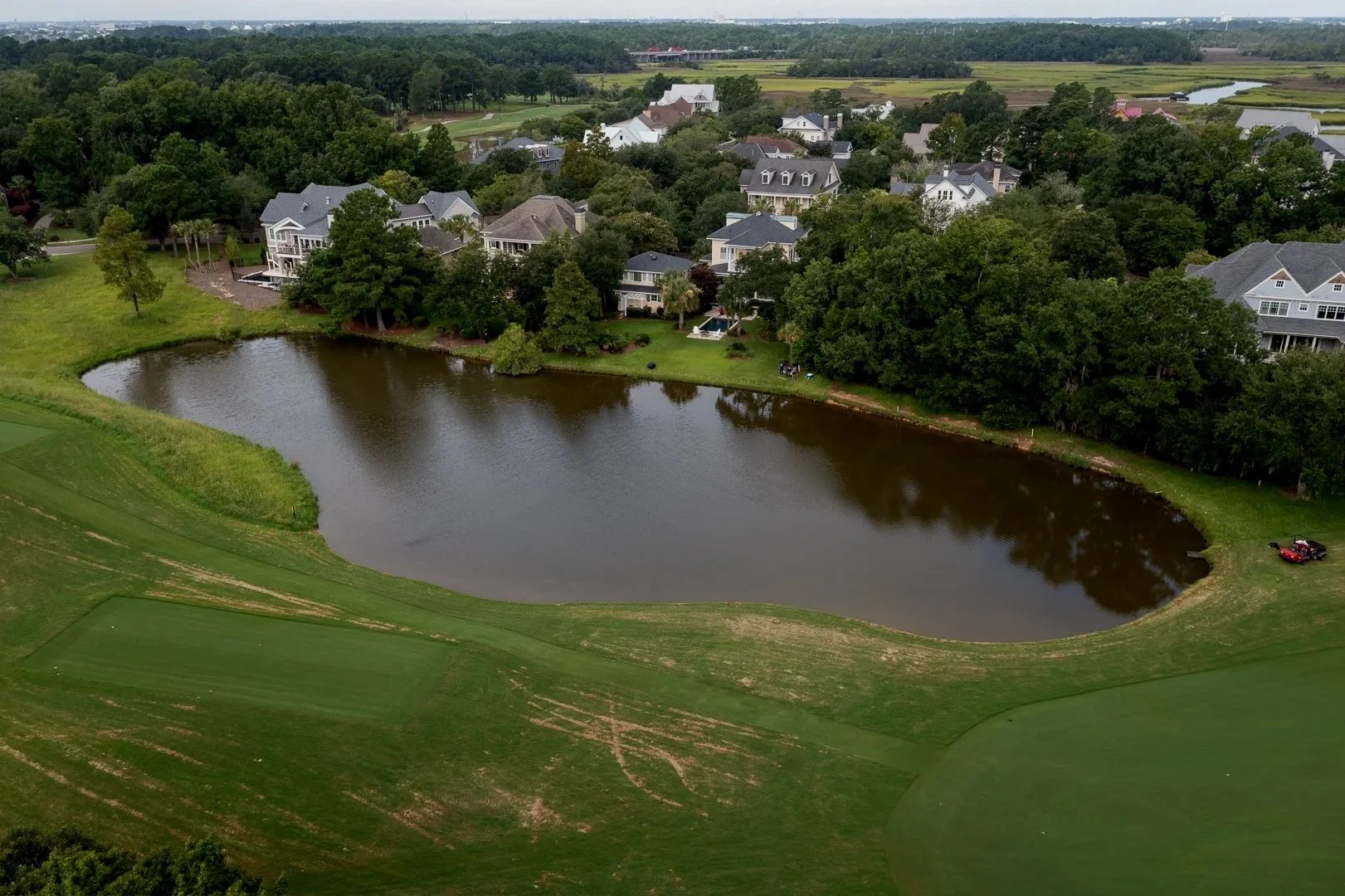
Signs Your Pond Is Failing (And What to Do Next)
Stormwater pond warning signs explained. Learn how early detection of erosion, algae, and structural issues prevents costly failures.
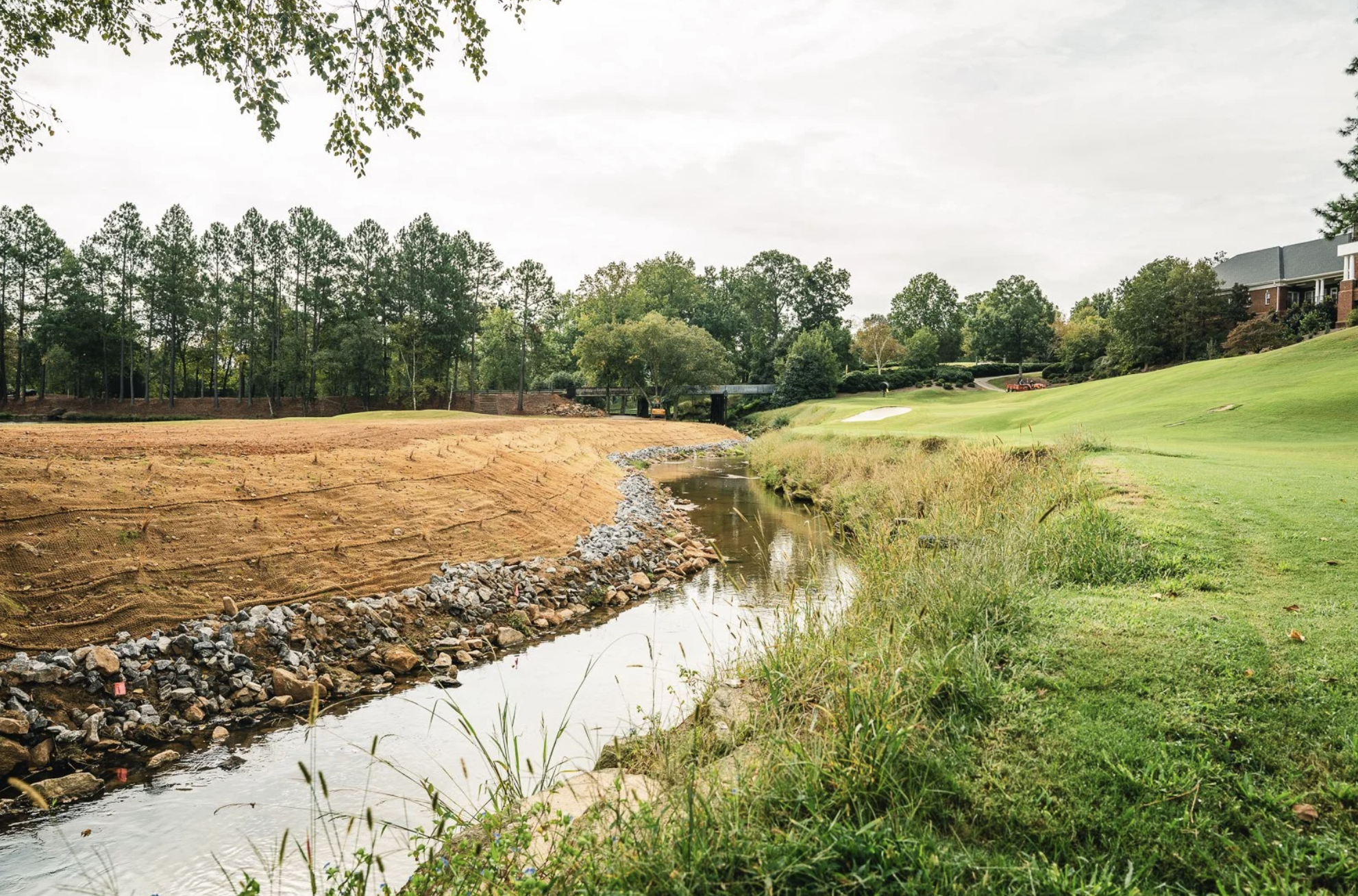
Native Buffer Zones for Stormwater Ponds
Stormwater pond buffer zones using native plants to improve water quality, reduce erosion, and support long-term BMP performance.
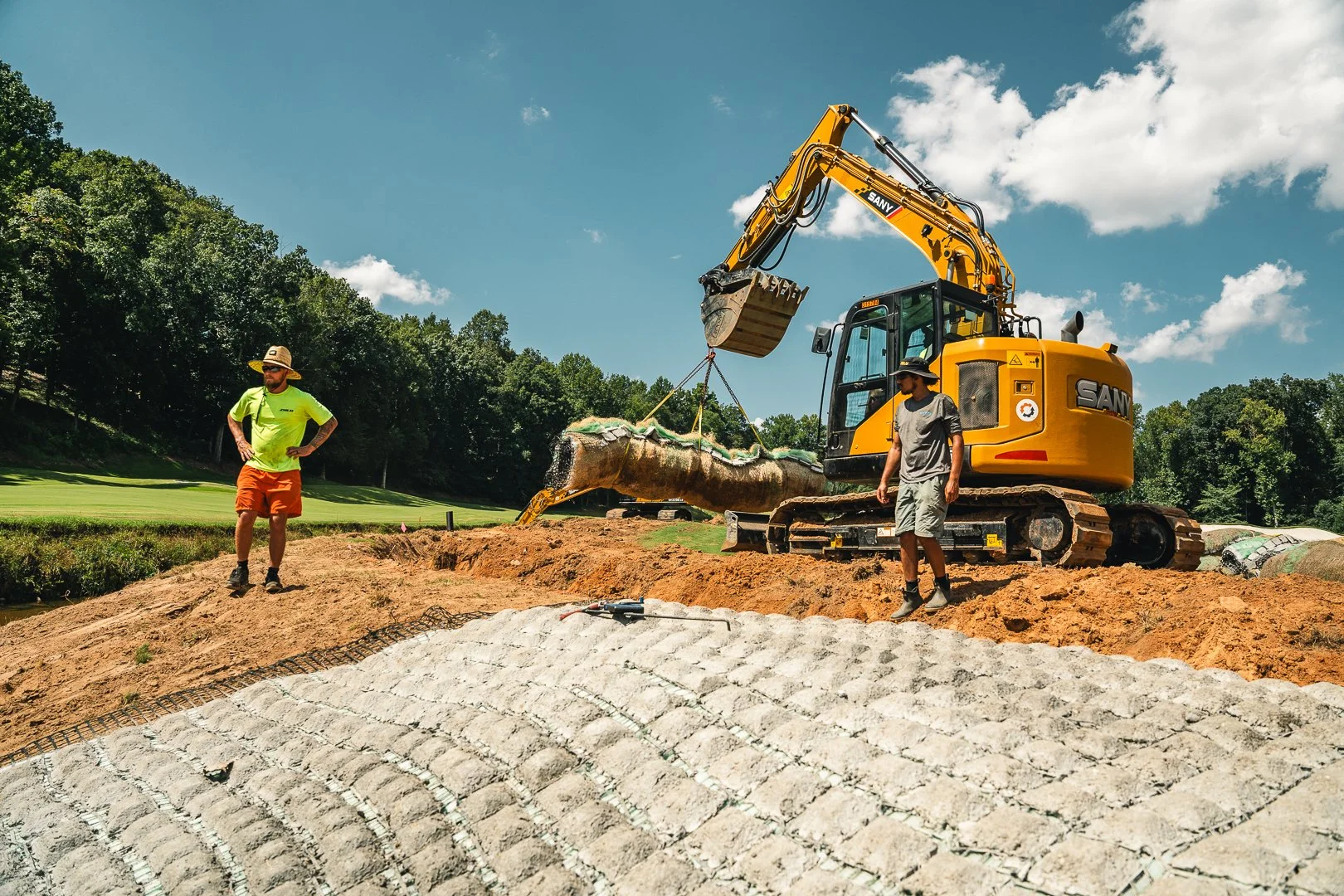
Managing Stormwater Risk During Construction: A Guide for General Contractors
Stormwater compliance for general contractors explained. Learn how BMP installation, maintenance, and documentation reduce risk and protect schedules.
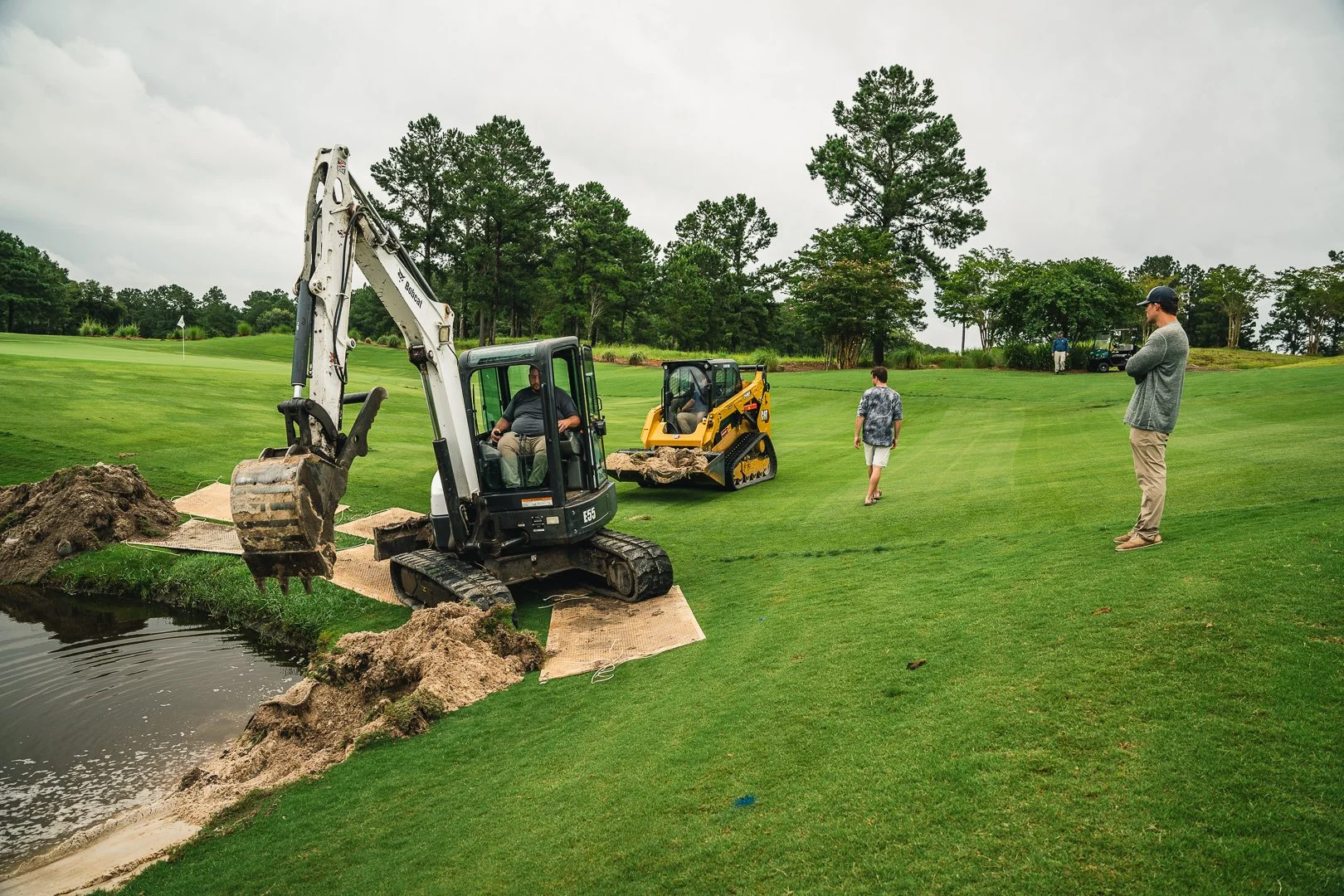
Stormwater Compliance for General Contractors: Installation, Maintenance, and Documentation
Stormwater compliance for general contractors explained. Learn how BMP installation, maintenance, and documentation reduce risk and protect schedules.

Level Spreaders: Design, Failure Modes, and Long-Term Performance
Level spreader design, failure causes, and repair guidance. Learn how engineered level spreaders protect slopes and prevent erosion long term.
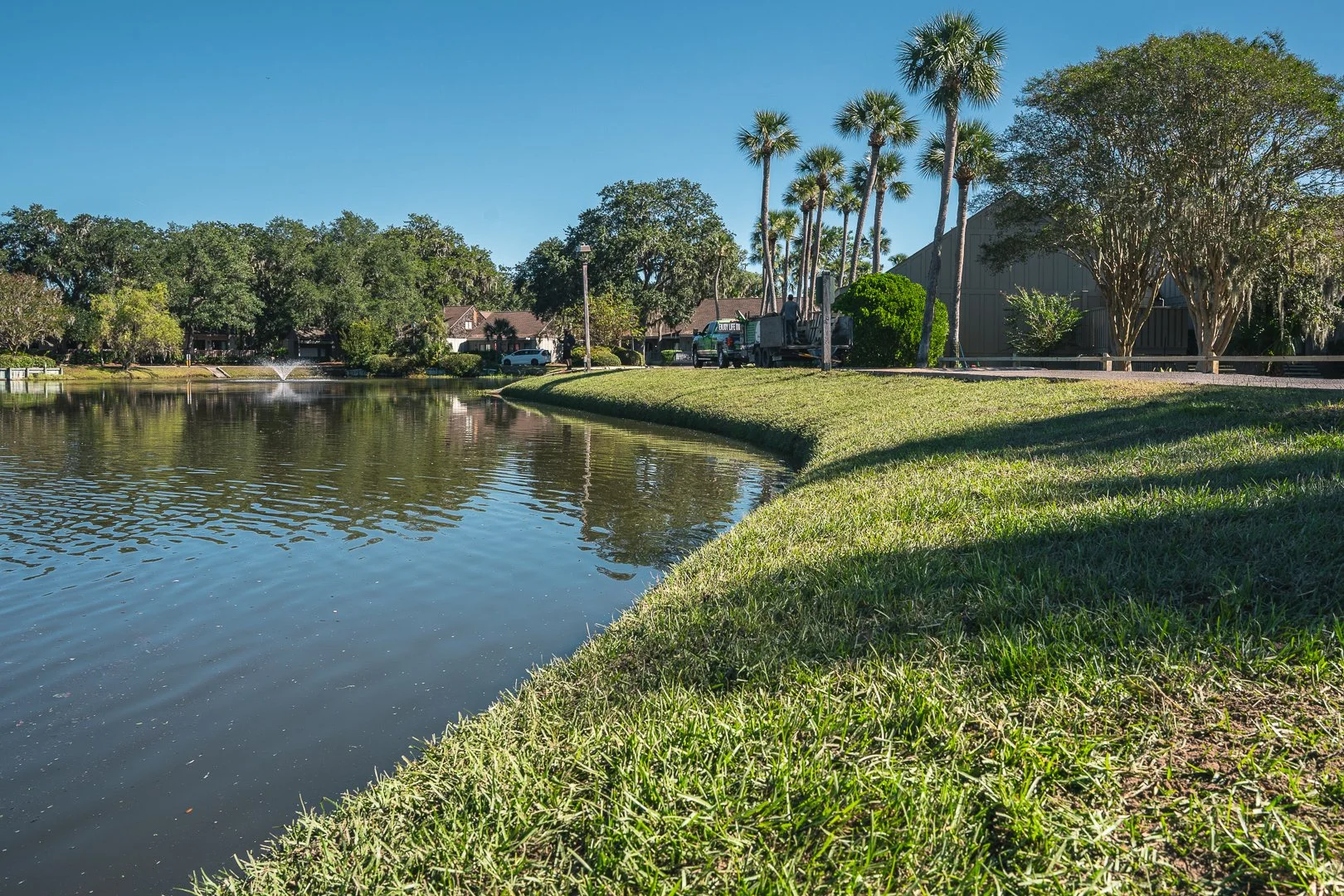
Stormwater Pond Restoration Without Full Dredging: A Targeted, System-Based Approach
This page serves as a definitive resource on stormwater pond restoration without full dredging. It explains how ponds fail, how to diagnose true problem areas, and how focused interventions can extend pond lifespan, reduce risk, and preserve existing infrastructure.

Stormwater Pond Planting: Designing Vegetation as Functional Infrastructure
Ecological Improvements designs and installs stormwater pond vegetation that supports erosion control, water quality, and long-term asset value.
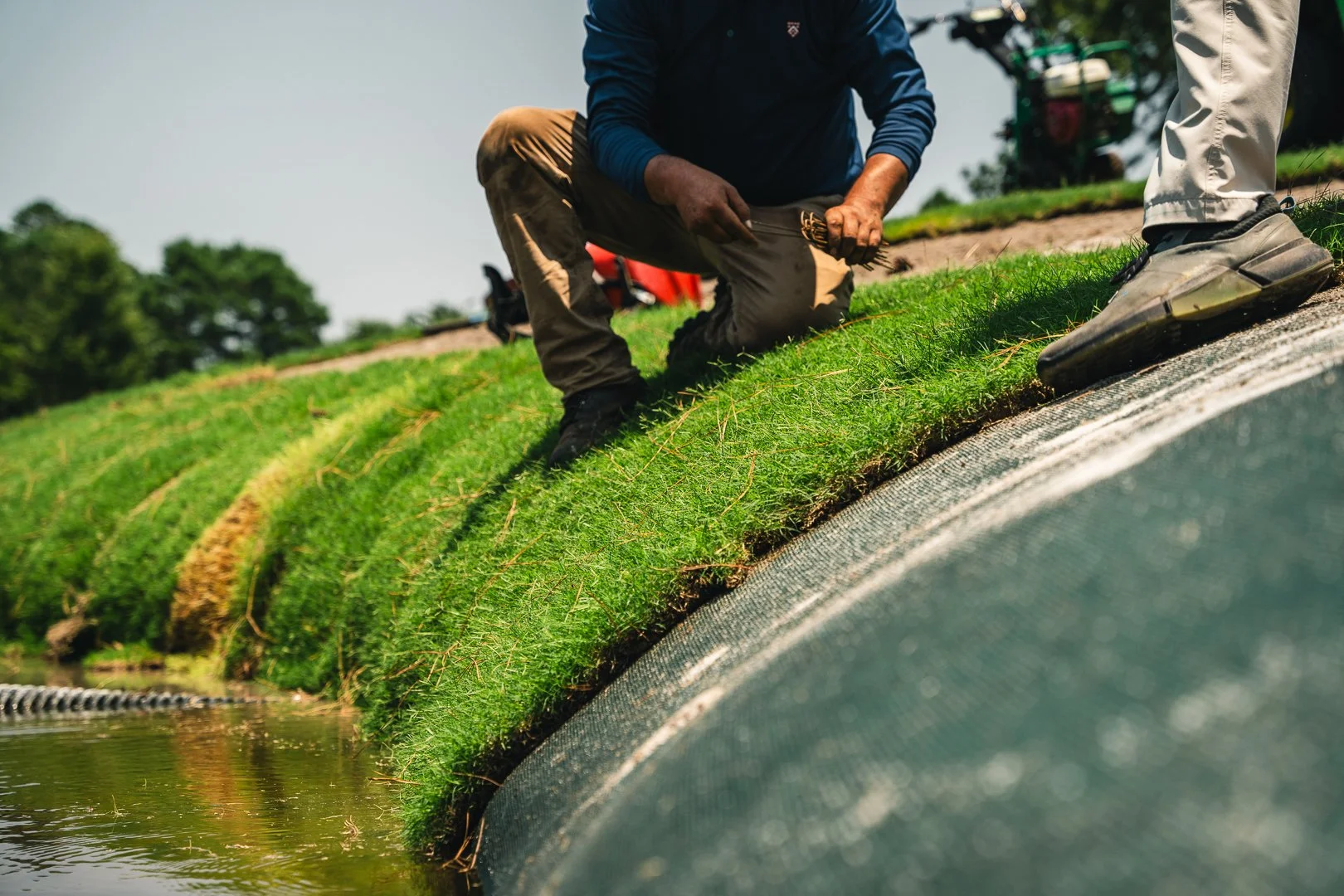
Stormwater BMP Inspections: A System-Based Approach to Performance, Compliance, and Risk Reduction
A well-executed BMP inspection is not a cursory site walk or a box-checking exercise. It is a structured evaluation of hydraulic performance, structural integrity, and ecological condition across the entire stormwater system.
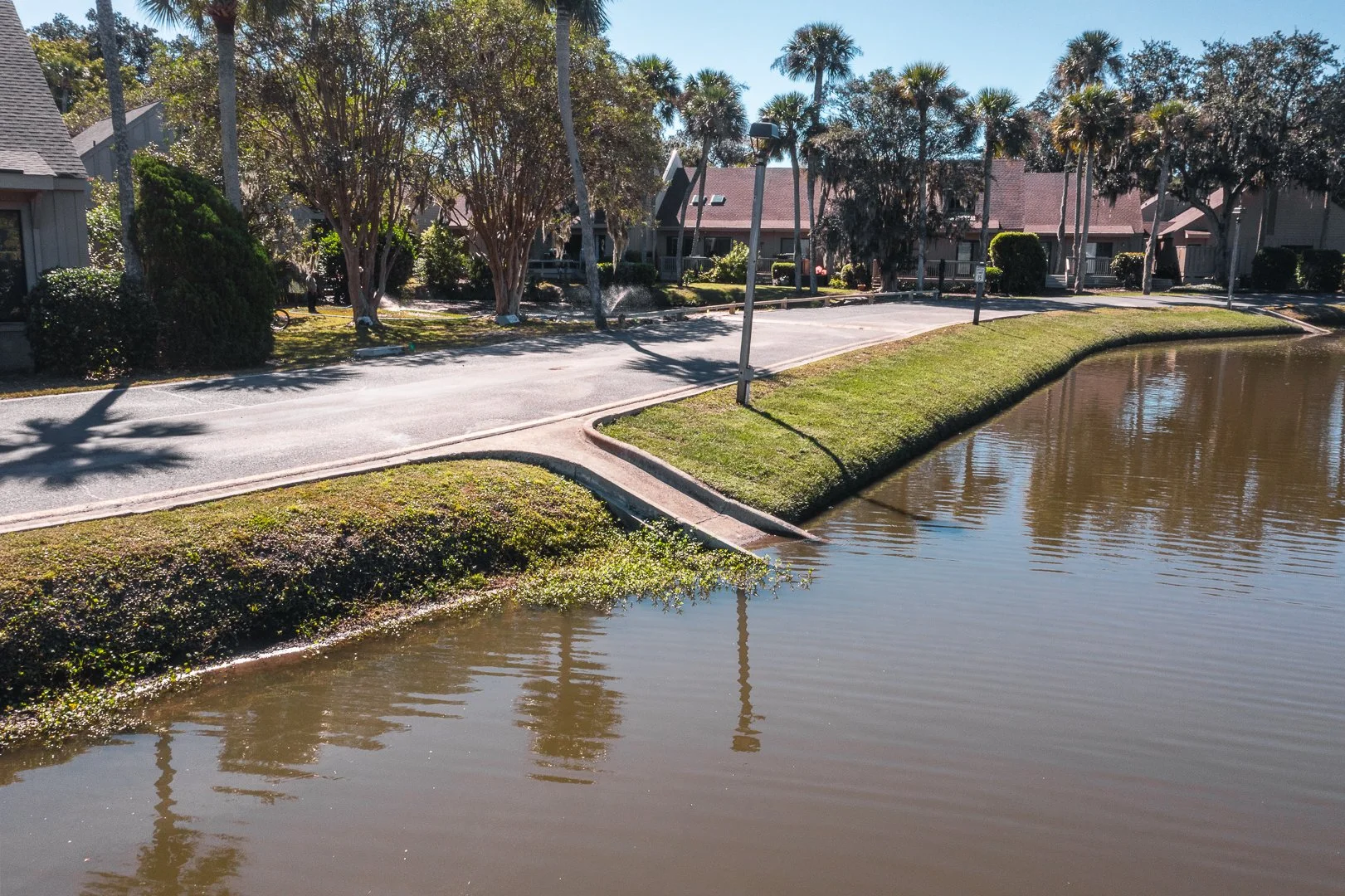
Stormwater BMP Maintenance: Turning Infrastructure Into Long-Term Assets
Stormwater BMP maintenance services that prevent erosion, restore function, and protect long-term property value through system-based solutions.
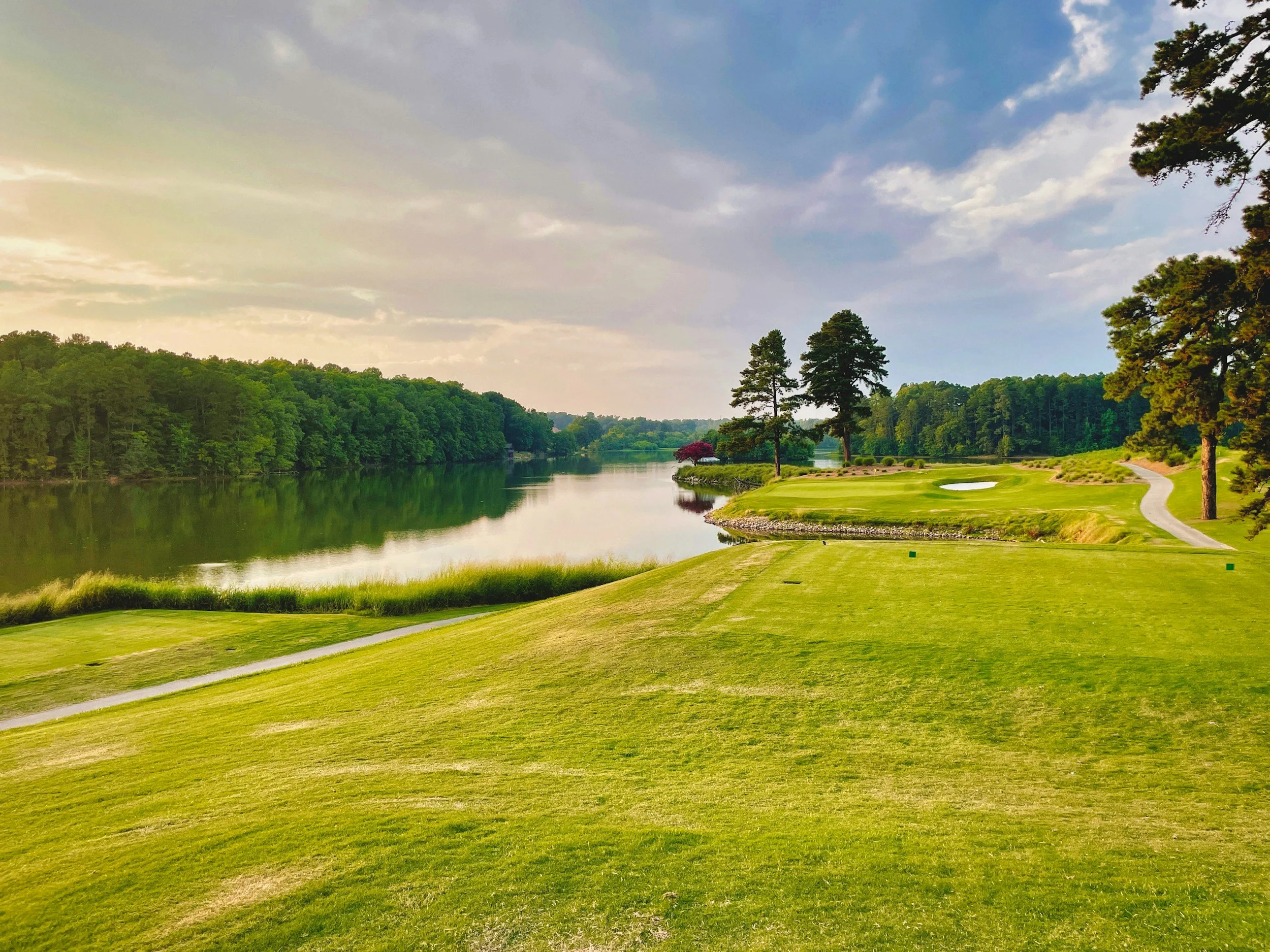
Erosion Control Program for Golf Superintendents (Part 2)
Erosion control program for golf courses built for superintendents. Engineered, agnostic solutions that protect playability, aesthetics, and budgets.
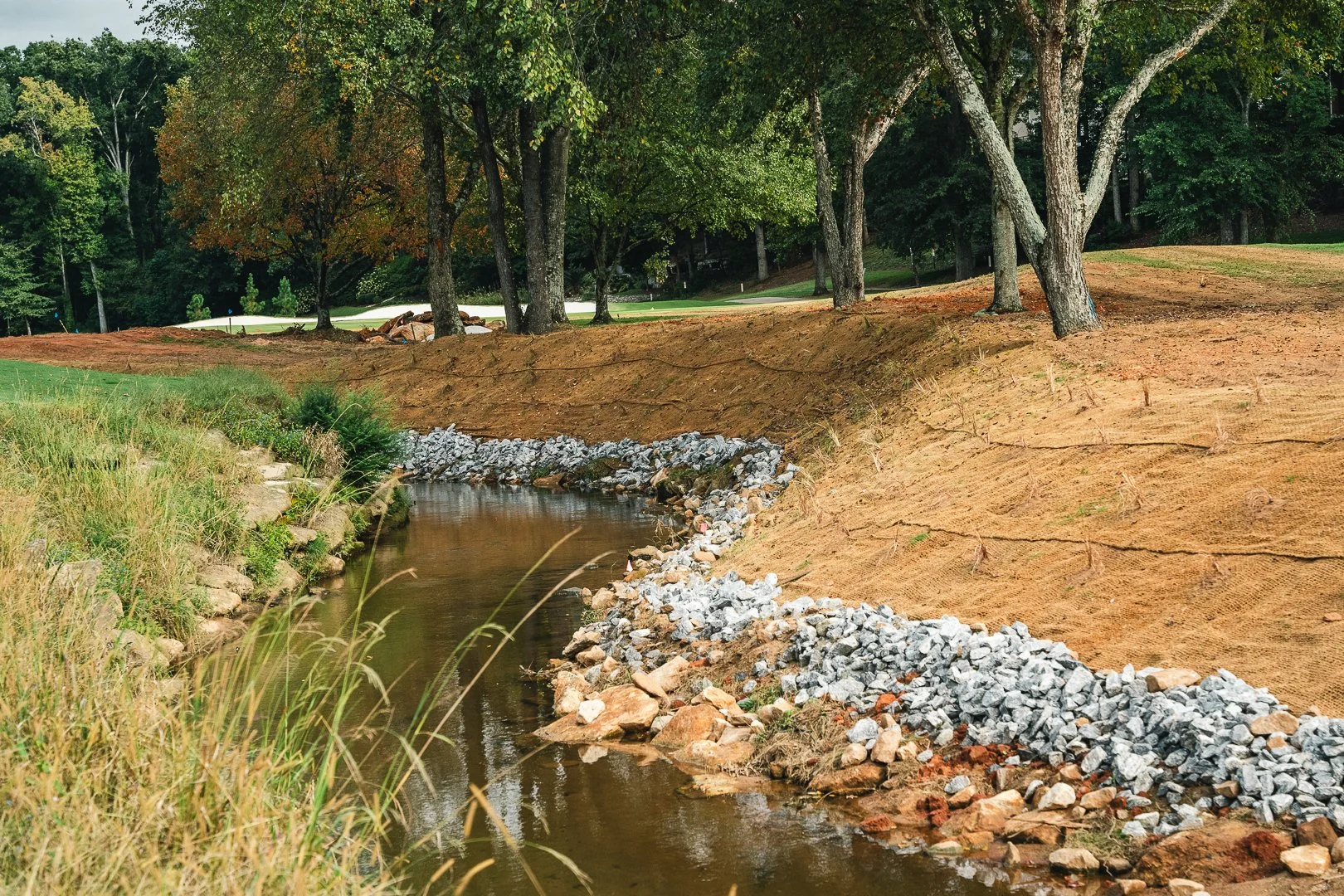
Introducing New Programs Designed to Remove the Stormwater Burden From Your Shoulders (Part 1)
We’re Proud to Introduce the stormwater offload program for property managers and the erosion control program for golf superintendents.
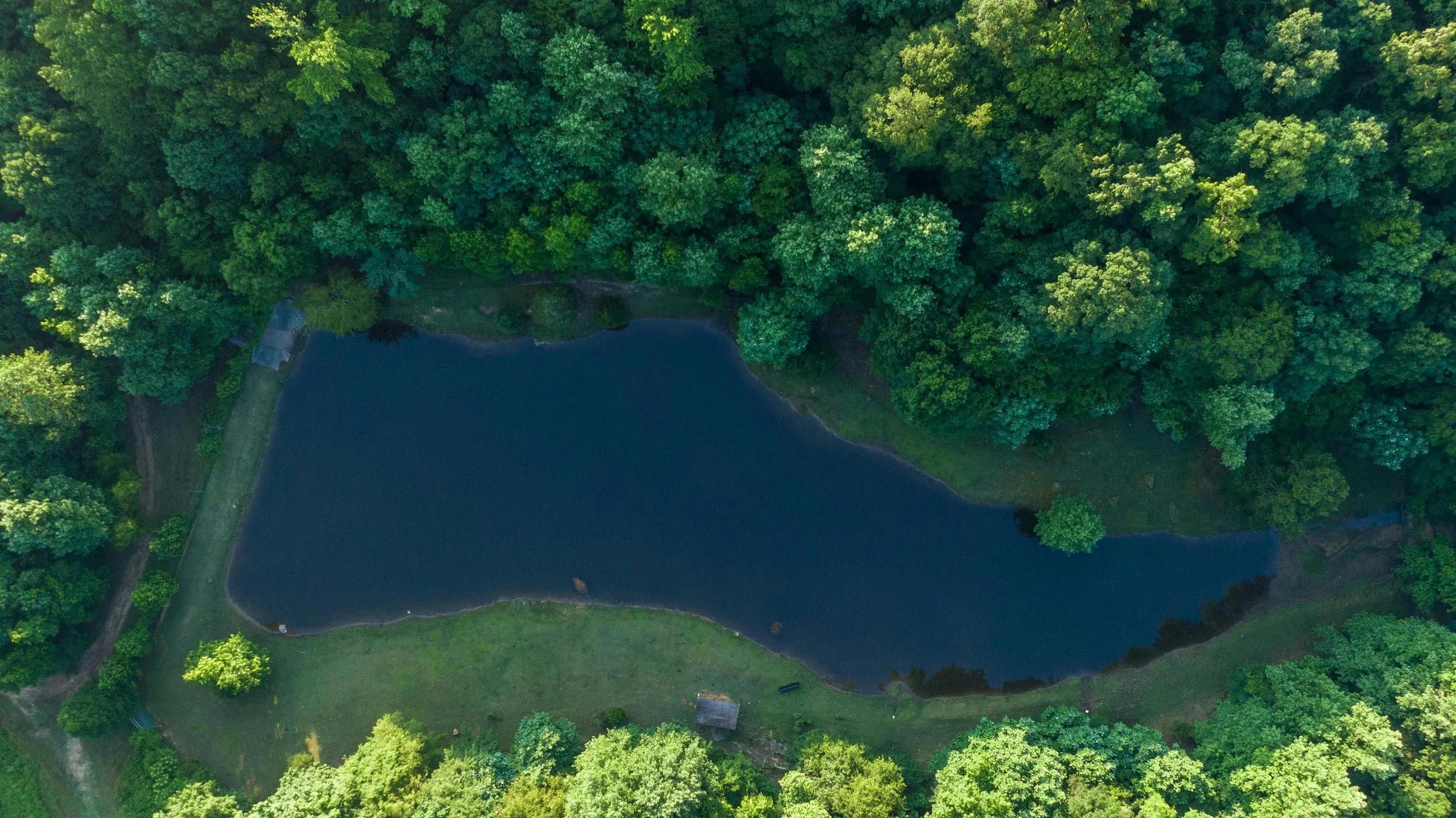
Why Sustainable Plantings Are the Future of Stormwater Compliance
We believe sustainable plantings are not just a nice visual upgrade; they’re an essential piece of long-term compliance.

Why Healthy Stormwater Ponds Protect our Waterways
We’re incredibly proud of Joseph Garavelli for being featured in Stormwater Solutions Magazine with his article, “Until It’s Over the Weir: Why Healthy Stormwater Ponds Protect Our Waterways.” Read it here!

Why Efficiency is Important in Stormwater Management
We’ve built a streamlined, results-driven process that moves with purpose, without cutting corners.

Why Practical Stormwater Care Matters
Our job isn’t to turn a straightforward issue into a major construction project. It’s to listen, assess, and deliver the most effective, practical solution for the site.

Why Outfall Maintenance Matters During Major Rain Events
By prioritizing routine inspections and cleanouts, communities can safeguard their stormwater systems, reduce liability, and maintain compliance.
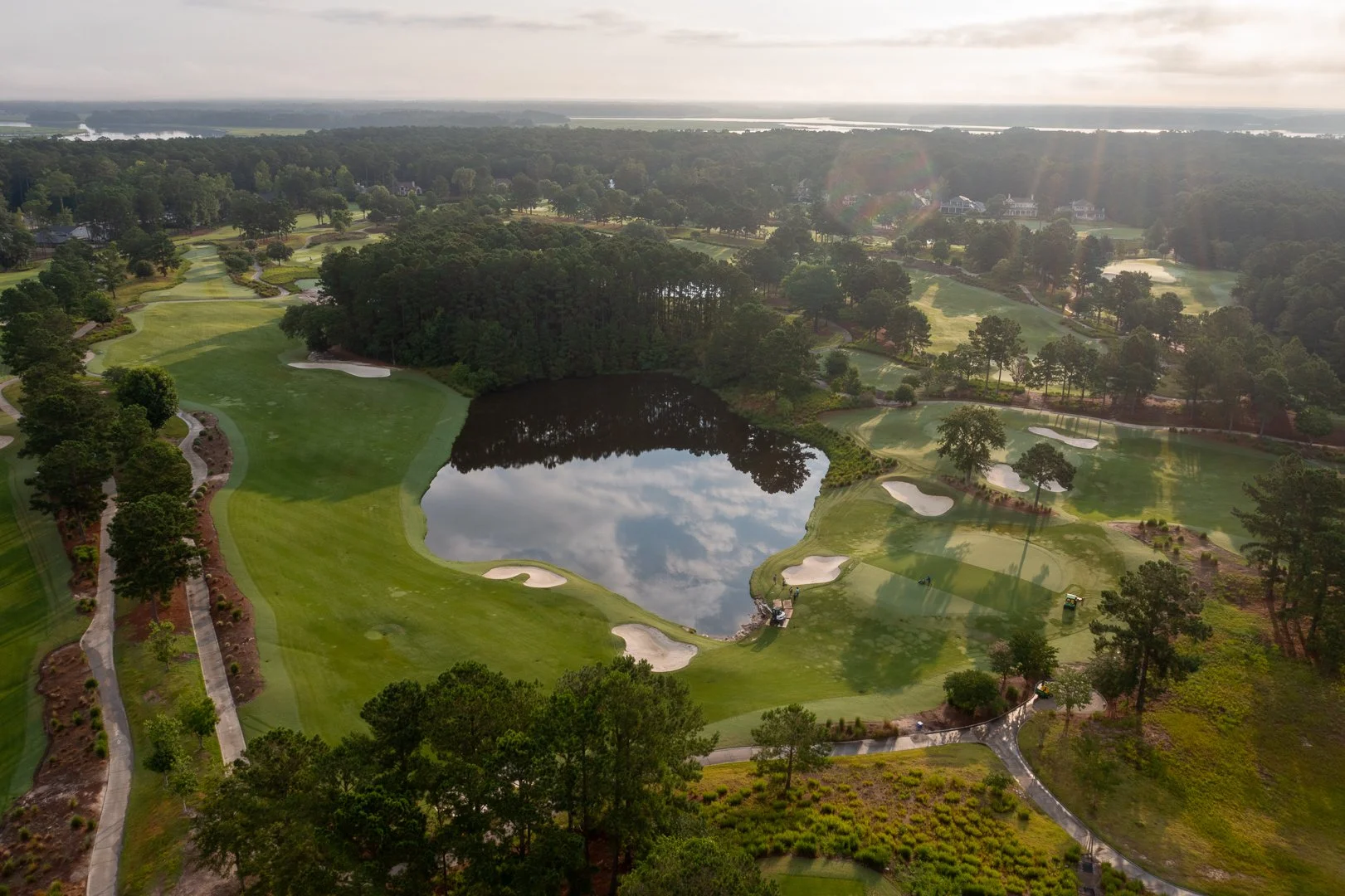
Smart Pond Management on a Budget
By instead investing steadily in erosion control, inspection, and vegetation management, you avoid those financial shocks and keep the pond in compliance year after year.

A Look at Ei’s Free Pond Consultation
Our free stormwater pond consultations are designed to give you real, actionable insight into the health of your pond.

Ei’s Promise
Honesty and quality over everything. That’s the Ecological Improvements promise.

When It Rains, Where Does The Water Go?
What’s less obvious is that these features aren’t just “drains” or “holding ponds”; they are living systems that protect our water quality, reduce flooding, and sustain the natural balance of our environment.